
Kitchen Smell Removal: Mould & Damp Guide Part 1
Introduction
A clean kitchen is essential for a healthy home, but persistent smells from mould and damp can turn it into an unpleasant environment. These issues not only affect the air quality but can also lead to serious structural problems if left unaddressed. This guide will provide practical, actionable steps to tackle mould and damp in your kitchen, ensuring a fresher, healthier space.
What Causes Mould & Damp?
Mould and damp typically arise from excess moisture in the air or surfaces. Here are some common causes:
1. Poor Ventilation: Kitchens generate steam and humidity during cooking. If there’s inadequate airflow, moisture accumulates.
2. Leaky Pipes: Any leaks from water supply lines can create damp spots, perfect for mould growth.
3. Condensation: When warm, moist air comes into contact with cold surfaces—like windows or walls—it can lead to condensation.
4. Inadequate Insulation: Poorly insulated walls may allow cold air to seep in, increasing the likelihood of dampness.
5. Clogged Drains: Debris in drains can trap moisture, creating a breeding ground for mould.
Why This Problem Happens
Understanding why mould and damp occur is crucial for effective prevention. Here are some factors that contribute to these issues:
- Humidity Levels: High humidity (above 60%) can create ideal conditions for mould to thrive.
- Temperature Fluctuations: Changes in temperature can lead to condensation, especially in kitchens that experience significant heat from cooking.
- Neglected Cleaning: Regular cleaning helps prevent mould growth. Neglecting areas like under sinks or behind appliances can allow mould to establish itself unnoticed.
- Protective gloves
- Face mask
- Bucket
- Scrub brush or sponge
- Cleaning solution (vinegar, baking soda, or commercial mould remover)
- Cloths or paper towels
- A fan or dehumidifier (if available)
How to Fix Mould & Damp (Step-by-Step)
Follow these steps to effectively remove mould and damp from your kitchen:
Step 1: Identify Affected Areas
Begin by inspecting your kitchen for signs of mould or damp. Look under sinks, behind appliances, and in corners where moisture often accumulates.
Step 2: Gather Your Supplies
You will need:
Step 3: Prepare the Area
Ensure good ventilation by opening windows or using a fan. This helps disperse spores and reduce humidity during cleaning.
Step 4: Treat Mould
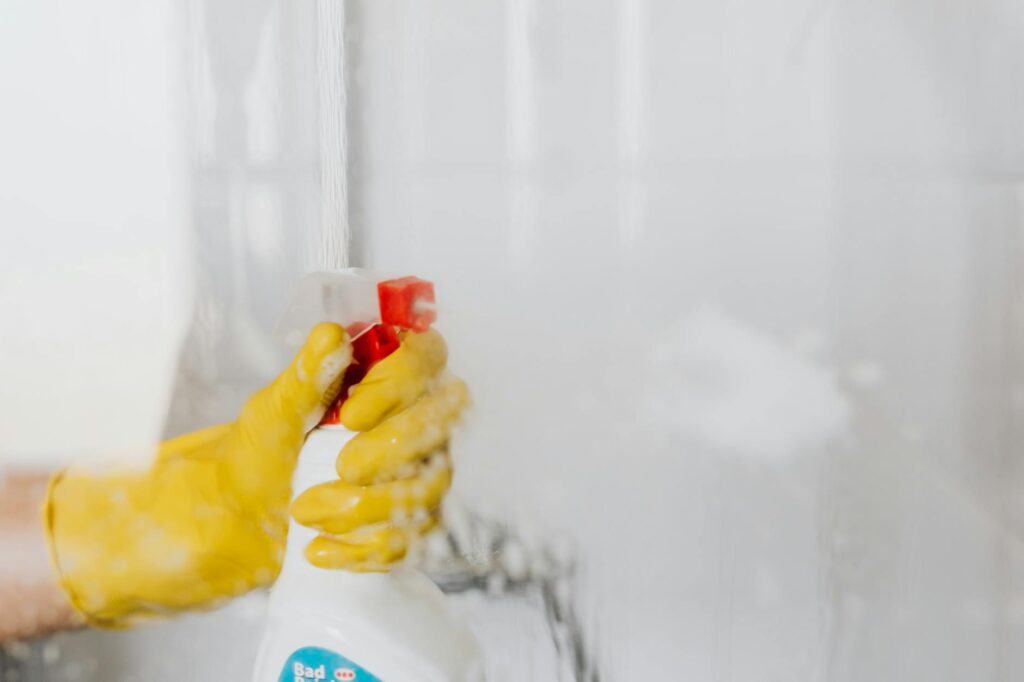
1. For Small Areas: Mix equal parts of vinegar and water in a spray bottle, or use a commercial mould cleaner. Spray directly on the mouldy surface.
2. Scrub: Use a scrub brush or sponge to scrub the area thoroughly. Pay attention to corners and crevices.
3. Rinse: Wipe the area with a clean, damp cloth to remove any residue.
4. Dry: Ensure the area is completely dry to prevent mould from returning.
Step 5: Address Damp Areas
For damp spots:
1. Fix Leaks: If leaks are present, repair or replace damaged plumbing.
2. Improve Ventilation: Use exhaust fans while cooking and consider installing a dehumidifier if humidity levels are consistently high.
3. Insulate: Check insulation around windows and walls to reduce condensation.
Best Cleaning Methods
Several cleaning methods can effectively combat mould and damp:
1. Vinegar Solution: A natural and effective option. Spray undiluted vinegar on affected areas and leave it for at least one hour before rinsing.
2. Baking Soda: Mix baking soda with water to form a paste. Apply it to the mouldy area, scrub, and rinse.
3. Hydrogen Peroxide: This powerful disinfectant can kill mould spores. Use a 3% solution, spray, and scrub after a few minutes.
4. Commercial Mold Cleaners: For severe infestations, consider specialized mould removal products. Always follow the manufacturer’s instructions.
Common Mistakes to Avoid
When tackling mould and damp, avoid these pitfalls:
1. Ignoring Hidden Areas: Mould can hide behind appliances or under sinks. Always check these areas.
2. Not Wearing Protective Gear: Always use gloves and a mask to protect yourself from spores.
3. Using Only Water: Simply using water may not kill mould spores. Always use a cleaning solution.
4. Skipping Drying: Failing to dry the area post-cleaning can allow mould to return.
5. Overlooking Ventilation: Without proper airflow, mould is likely to recur.
Prevention Tips
To keep mould and damp at bay, consider these preventive measures:
1. Regular Cleaning: Maintain a cleaning schedule that includes scrubbing surfaces, especially around sinks and drains.
2. Use Dehumidifiers: Especially in humid climates, a dehumidifier can help maintain optimal humidity levels.
3. Fix Leaks Promptly: Address leaks immediately to prevent moisture buildup.
4. Ventilate: Always use exhaust fans when cooking, and open windows when possible.
5. Seal Cracks: Use caulk or sealants to prevent moisture from seeping in through cracks in walls or around windows.
Frequently Asked Questions
1. How can I tell if my kitchen has mould?
Look for dark spots, a musty smell, or peeling paint. Check under sinks and behind appliances for hidden growth.
2. Is it safe to remove mould on my own?
For small areas, yes. However, if the mould covers a large area (more than 10 square feet), it’s best to consult a professional.
3. What should I do if the smell persists?
Re-evaluate your cleaning and ventilation methods. Consider professional mould testing or removal services if necessary.
4. Can I use bleach to clean mould?
While bleach can kill mould, it doesn’t prevent it from returning. Consider using natural solutions like vinegar or baking soda.
5. How often should I clean my kitchen to prevent mould?
Aim to clean high-moisture areas weekly, and do a thorough cleaning of your entire kitchen at least once a month.
6. What humidity level should I maintain in my kitchen?
Keeping humidity levels between 30% and 50% is ideal for preventing mould growth.
By following these guidelines, you can efficiently tackle mould and damp in your kitchen, ensuring a clean and pleasant environment for cooking and dining. Stay tuned for the next part of the series, where we’ll delve deeper into ongoing maintenance and advanced techniques for keeping your kitchen fresh.