
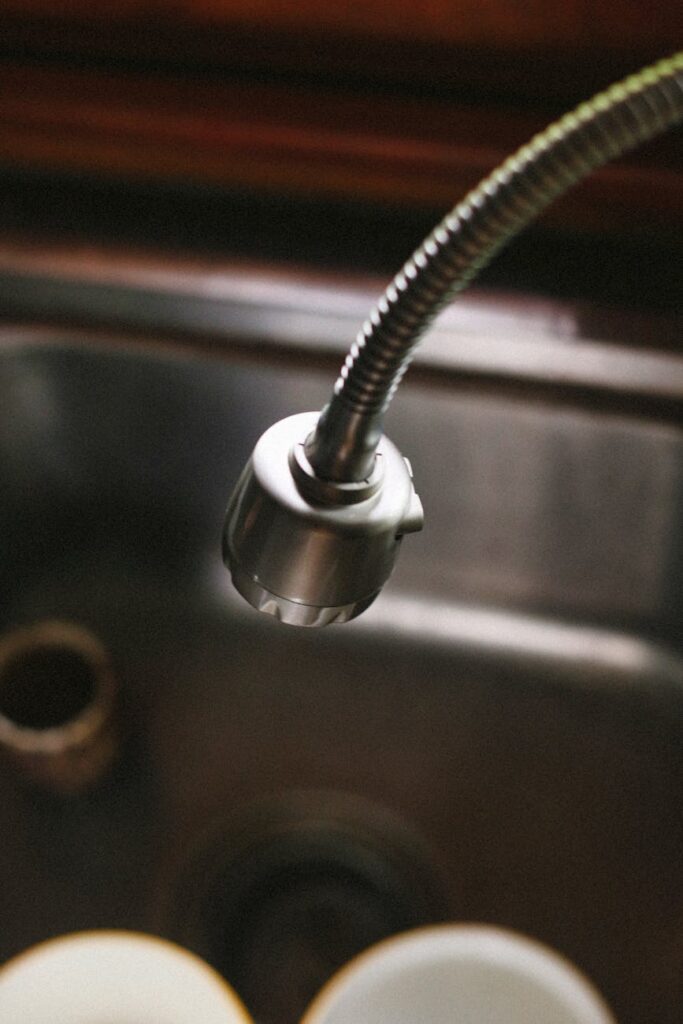
Kitchen Sink Stains Odours Guide Part 2
Introduction
Kitchen sink odours can be a frustrating problem for homeowners. They often signal underlying issues that need to be addressed. In this guide, we’ll delve into what causes these unpleasant smells, why they happen, and how to effectively eliminate them. You’ll also learn about the best cleaning methods, common mistakes to avoid, and tips for preventing future odours.
What Causes Odours?
Odours in your kitchen sink typically arise from food debris, grease, and bacteria buildup. Here are the primary culprits:
1. Food Residue: Small bits of food can get trapped in the drain or disposal unit, leading to decay and odours.
2. Grease Buildup: Cooking oils and fats can stick to the sides of pipes, attracting more debris and creating a foul smell.
3. Bacteria and Mold: Warm, moist environments are perfect for bacteria and mold to thrive, emitting unpleasant odours.
4. Clogs: Partial clogs can trap waste and water, leading to stagnant conditions and bad smells.
5. Sewer Gas: A dry trap can allow sewer gases to escape into your kitchen, creating an unmistakable foul scent.
Why This Problem Happens
Understanding why these odours occur can help you tackle them more effectively:
- Neglect: Regular cleaning is essential. If you overlook the sink, it can quickly become a breeding ground for unpleasant smells.
- Improper Disposal: Not using the garbage disposal correctly can lead to food buildup.
- Old Pipes: Aging plumbing can accumulate grime and bacteria, contributing to odour issues.
- Environmental Factors: High humidity and poor ventilation can exacerbate odour problems, especially in kitchens.
- Baking soda
- White vinegar
- Dish soap
- A scrub brush
- Hot water
- A sponge or cloth
How to Fix Odours (Step-by-Step)
Follow these steps to eliminate kitchen sink odours effectively:
Step 1: Gather Your Supplies
You’ll need:
Step 2: Clear the Area
Remove any dishes, sponges, or other items from around the sink. This makes cleaning easier and allows you to see the problem areas clearly.
Step 3: Clean the Sink
1. Scrub the Sink: Use dish soap and a scrub brush to clean the sink thoroughly, focusing on corners and the drain area.
2. Rinse with Hot Water: Pour hot water down the drain to help dissolve any grease or food particles.
Step 4: Deodorize with Baking Soda and Vinegar
1. Pour Baking Soda: Add about half a cup of baking soda directly into the drain.
2. Add Vinegar: Pour a cup of white vinegar into the drain. You’ll notice fizzing; this reaction helps lift grime.
3. Let it Sit: Allow the mixture to sit for 15-30 minutes.
Step 5: Flush with Hot Water
After the waiting period, flush the drain with hot water to wash away any remaining debris and neutralize odours.
Step 6: Maintain Cleanliness
Repeat this cleaning process weekly to prevent odours from returning.
Best Cleaning Methods
1. Baking Soda and Vinegar
This classic combination is effective for removing odours and cleaning pipes. The fizzing action lifts grime while neutralizing smells.
2. Lemon Juice
Lemon juice is a natural deodorizer. Pour some down the drain after cleaning to leave a fresh scent.
3. Borax
Borax is excellent for tackling tough stains and odours. Use it by sprinkling some into the drain, letting it sit for 30 minutes, and then flushing with hot water.
4. Essential Oils
A few drops of essential oils like tea tree or lavender can help mask and eliminate odours. Add them to your cleaning routine for a pleasant scent.
Common Mistakes to Avoid
1. Ignoring the Disposal: Failing to clean the garbage disposal can lead to persistent odours. Regularly run it with ice cubes and citrus peels to keep it fresh.
2. Using Harsh Chemicals: Strong chemicals can damage pipes and worsen odour issues. Stick to natural methods when possible.
3. Neglecting the Trap: A dry trap can allow sewer gases to escape. Regularly check and ensure it has water in it.
4. Overloading the Disposal: Putting too much food down the disposal can lead to clogs and odours. Dispose of food in smaller amounts.
Prevention Tips
1. Regular Cleaning: Clean your sink weekly to remove food particles and grease.
2. Use a Drain Strainer: Install a strainer to catch food debris before it enters the drain.
3. Run Hot Water: After washing dishes, run hot water down the drain to help dissolve leftover grease.
4. Avoid Grease Disposal: Never pour grease down the sink. Instead, collect it in a container and dispose of it in the trash.
5. Ventilation: Ensure your kitchen is well-ventilated to prevent moisture buildup, which can lead to odours.
Frequently Asked Questions
1. How often should I clean my kitchen sink?
Aim to clean your kitchen sink at least once a week to prevent odours and buildup.
2. What should I do if the smell persists after cleaning?
If odours persist, consider checking for deeper clogs or consult a plumber to investigate potential plumbing issues.
3. Can I use bleach to clean my sink?
While bleach can sanitize, it’s not recommended for regular cleaning as it can damage pipes and create harmful fumes.
4. Is it safe to use essential oils in the sink?
Yes, a few drops of essential oils can help freshen your sink without causing damage.
5. How can I prevent food from clogging my disposal?
Use a drain strainer and avoid putting fibrous or starchy foods down the disposal.
6. What if my sink smells like sewage?
This could indicate a serious plumbing issue. Check the trap for water and consult a plumber if the smell continues.
By following these steps, you can effectively tackle kitchen sink odours and maintain a fresh-smelling kitchen. Regular maintenance and the right cleaning methods will go a long way in preventing future issues.