
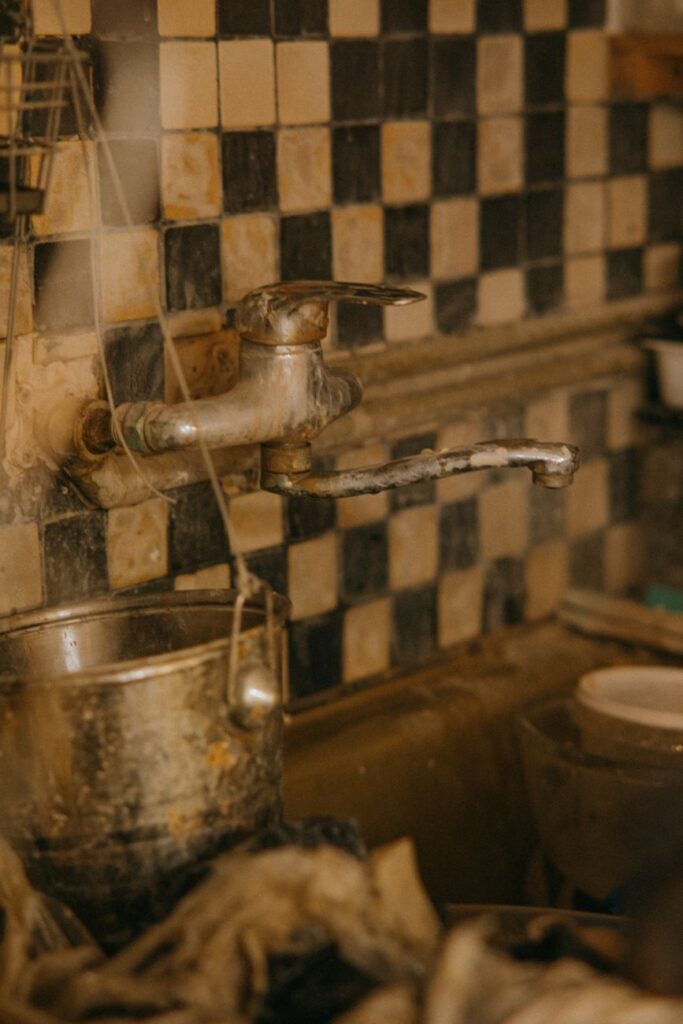
Kitchen Sink Odours Guide Part 1
Introduction
A fresh-smelling kitchen is essential for a pleasant cooking and dining experience. However, kitchen sink odours can quickly turn that experience sour. This guide will help you identify the causes of unwanted smells, how to address them, and ways to prevent them in the future. Let’s dive into the nitty-gritty of kitchen sink odours.
What Causes Odours?
Kitchen sink odours typically stem from a few common sources:
1. Food Residue: Leftover scraps can build up in the drain or garbage disposal, leading to unpleasant smells.
2. Clogged Drains: Grease, soap, and food particles can accumulate, causing blockages that trap odours.
3. Sewer Gas: A dry P-trap (the U-shaped pipe under the sink) can allow sewer gases to escape into your kitchen.
4. Mold and Mildew: Moist environments, like sinks, can encourage the growth of mold, leading to musty smells.
5. Garbage Disposal Issues: If not cleaned regularly, disposals can foster bacteria and odours.
Why This Problem Happens
Understanding why kitchen sink odours occur can help you tackle them effectively. Here are some common reasons:
- Neglect: Regular cleaning and maintenance are often overlooked. Food particles left behind can decompose and create smells.
- Water Flow Issues: If water isn’t draining properly, it can cause stagnation and bad smells.
- Poor Ventilation: A lack of airflow can trap odours in the kitchen.
- Old Plumbing: Aging pipes can harbor bacteria and cause unpleasant smells.
- Inside the Sink: Look for debris or grease.
- Garbage Disposal: Inspect for trapped food.
- P-Trap: Ensure it’s full of water to block sewer gases.
- Baking Soda and Vinegar: This classic combination not only cleans but also deodorizes.
- Citrus Peels: Grinding lemon or orange peels in the garbage disposal can leave a fresh scent.
- Bleach Solution: For serious mould problems, a diluted bleach solution can be effective. However, use it sparingly and ensure good ventilation.
- Commercial Drain Cleaners: If natural methods fail, consider using a commercial drain cleaner, but follow the instructions carefully.
How to Fix Odours (Step-by-Step)
Step 1: Identify the Source
Before you can eliminate the odour, you need to pinpoint where it’s coming from. Check the following areas:
Step 2: Clean the Sink and Disposal
1. Clear Out Debris: Use a sponge and hot, soapy water to clean the sink. For the garbage disposal, turn it on while running cold water to flush out any food particles.
2. Deep Clean: Use a mixture of baking soda and vinegar to deep clean the disposal. Pour 1 cup of baking soda down the drain, followed by 1 cup of vinegar. Let it fizz for 30 minutes, then run cold water.
Step 3: Check the P-Trap
1. Inspect for Blockages: If you suspect a clog, place a bucket underneath the P-trap and loosen the connectors to check for buildup.
2. Clean or Replace: If it’s dirty, clean it with a brush. If it’s damaged, consider replacing it.
Step 4: Ensure Good Drainage
1. Use a Plumber’s Snake: To remove stubborn clogs, use a plumber’s snake to clear the drain.
2. Flush with Hot Water: After clearing any blockage, flush the drain with hot water to ensure everything is cleared out.
Step 5: Ventilation
Ensure your kitchen is well-ventilated. Open windows or use an exhaust fan to help dissipate odours.
Best Cleaning Methods
Common Mistakes to Avoid
1. Ignoring Regular Maintenance: Skipping regular cleaning can lead to build-up and persistent odours.
2. Using Hot Water for Grease: Never pour hot water down the drain if you’ve just disposed of grease; it can solidify and cause clogs.
3. Overloading the Disposal: Avoid putting too much food waste in the garbage disposal at once to prevent jams.
4. Neglecting the P-Trap: Regularly check and maintain the P-trap to prevent sewer gas escape.
5. Using Harsh Chemicals: Some harsh cleaners can damage plumbing and create more issues. Opt for gentler methods first.
Prevention Tips
1. Regular Cleaning: Clean your sink and disposal at least once a week to prevent build-up.
2. Rinse After Use: Always rinse dishes before placing them in the sink to reduce food residue.
3. Use Cold Water: When running the garbage disposal, always use cold water to help solidify grease.
4. Seal Cracks: Ensure all seals around the sink are intact to prevent water leaks and odours.
5. Keep Drains Clear: Use a drain strainer to catch food particles before they enter the drain.
Frequently Asked Questions
1. How often should I clean my kitchen sink?
It’s best to clean your kitchen sink daily, but a deep clean with baking soda and vinegar can be done weekly.
2. What should I do if the smell persists?
If the smell persists after cleaning, check for deeper clogs or consider consulting a plumber.
3. Can I use essential oils to mask odours?
Yes, you can grind citrus peels or use essential oils in the disposal for a fresh scent, but this won’t eliminate the source of the odour.
4. Are there any natural remedies for sink odours?
Baking soda and vinegar are effective natural remedies for neutralizing odours and cleaning.
5. What should I avoid putting down the garbage disposal?
Avoid putting fibrous foods, grease, coffee grounds, and large pieces of food down the disposal.
6. How can I tell if my P-trap needs cleaning?
If you notice persistent odours and slow drainage, it’s a good idea to check and clean your P-trap.
By following the steps and tips outlined in this guide, you can effectively tackle and prevent kitchen sink odours, ensuring a fresh and welcoming kitchen. Stay tuned for Part 2, where we’ll delve deeper into advanced cleaning techniques and troubleshooting tips.