
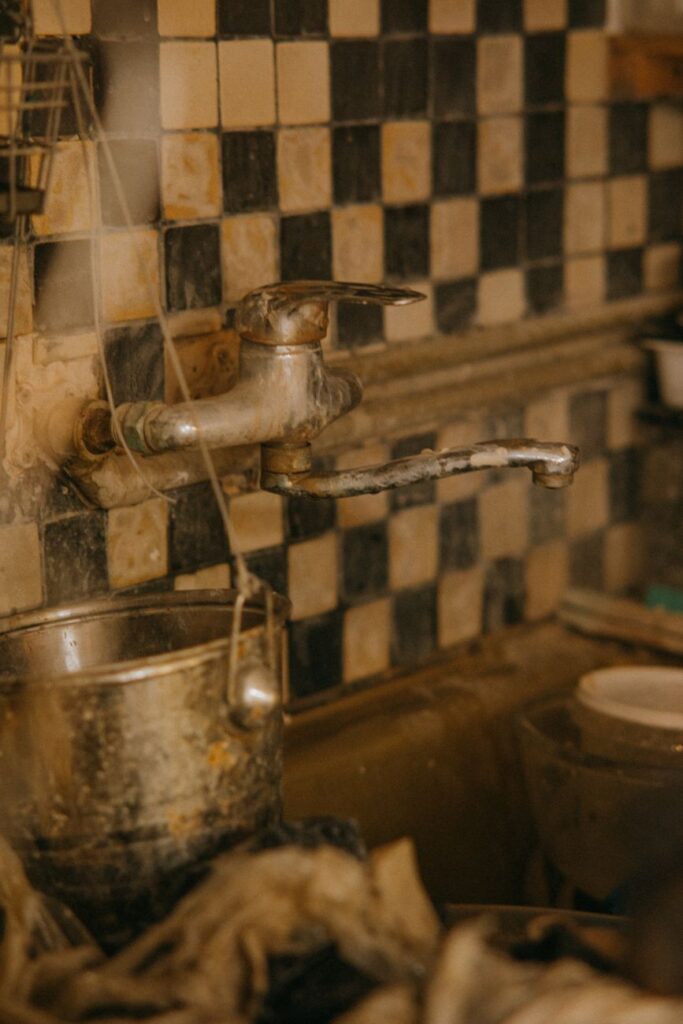
Kitchen Sink Odors: Kitchen Guide Part 2
Introduction
A fresh-smelling kitchen is essential for a welcoming home, but sink odors can quickly ruin that atmosphere. Food particles, grease, and bacteria can accumulate in your kitchen sink, leading to unpleasant smells. This guide will help you identify the causes of these odors, provide step-by-step solutions for cleaning, and offer tips for prevention.
What Causes Kitchen Sink Odors?
Kitchen sink odors often arise from a combination of factors:
1. Food Residue: Bits of food can get trapped in your sink’s drain or garbage disposal, decomposing and creating foul smells.
2. Grease Buildup: Oils and fats from cooking can stick to the pipes, attracting bacteria that produce odors.
3. Bacteria and Mold: Moist environments, like sinks, can foster bacterial growth, leading to musty or sour smells.
4. Clogged Drains: Blockages can prevent water from flowing smoothly, causing stagnation and bad odors.
5. Sewer Gas: If your plumbing is not functioning properly, gases from the sewer can escape into your kitchen.
Why This Problem Happens
Understanding the reasons behind kitchen sink odors can help you tackle the issue more effectively. Here are the primary contributors:
- Infrequent Cleaning: Regular maintenance is key. Neglecting your sink can lead to a buildup of grime and odor-causing substances.
- Improper Disposal: Certain foods shouldn’t go down the disposal, including fibrous vegetables and grease, which can cause clogs.
- Old Plumbing: Aging pipes can harbor bacteria and odors, especially if they are cracked or damaged.
- Lack of Ventilation: Poor air circulation in your kitchen can exacerbate smells coming from your sink.
- Baking Soda and Vinegar: This classic combination effectively neutralizes odors and breaks down buildup.
- Dish Soap: Regular use of dish soap helps keep the sink and drain clean.
- Commercial Cleaners: If natural methods aren’t enough, consider using a commercial drain cleaner that is safe for your plumbing.
- Essential Oils: A few drops of essential oils (like lemon or tea tree oil) can leave a pleasant scent and have antibacterial properties.
- Ignoring the Garbage Disposal: Many people forget to clean their garbage disposal regularly, allowing odors to accumulate.
- Using Hot Water for Grease: Hot water can cause grease to congeal further down the pipes instead of washing it away.
- Pouring Food Scraps: Avoid putting fibrous foods, grease, and starchy items (like pasta) down the drain.
- Neglecting the Sink Area: Regularly wipe down the sink and surrounding areas to prevent buildup.
How to Fix Kitchen Sink Odors (Step-by-Step)
Step 1: Clear Out the Sink
1. Remove Dishes: Start by clearing any dishes or debris from the sink.
2. Inspect the Garbage Disposal: If you have a disposal, check for any visible food particles or blockages.
Step 2: Clean the Drain
1. Boiling Water: Pour a kettle of boiling water down the drain to help loosen any grease or residue.
2. Baking Soda and Vinegar: Pour 1/2 cup of baking soda followed by 1/2 cup of vinegar into the drain. Let it sit for 15 minutes, then flush with hot water.
Step 3: Scrub the Sink
1. Use a Scrub Brush: Apply a mixture of baking soda and water to the sink’s surface and scrub thoroughly, focusing on the edges and drain area.
2. Rinse Well: Rinse the sink with hot water to remove any remaining cleaning solution.
Step 4: Maintain the Garbage Disposal
1. Ice and Salt: If you have a disposal, run it with a handful of ice cubes and a cup of salt to clean the blades and remove odors.
2. Citrus Peels: Grind fresh citrus peels (like lemon or orange) in the disposal to neutralize odors.
Step 5: Final Rinse
Pour a mixture of water and a few drops of dish soap down the drain for a final rinse. This will help keep everything fresh.
Best Cleaning Methods
Common Mistakes to Avoid
Prevention Tips
1. Regular Cleaning: Make it a habit to clean your sink and disposal weekly to prevent odors from developing.
2. Use a Sink Strainer: Install a strainer to catch food particles before they go down the drain.
3. Flush with Hot Water: After each use, flush the drain with hot water to help keep it clear.
4. Limit Food Waste: Dispose of food scraps in the trash instead of the sink whenever possible.
5. Ventilation: Ensure your kitchen is well-ventilated to minimize odors.
Frequently Asked Questions
1. Why does my kitchen sink smell like rotten eggs?
This odor often indicates a buildup of food waste or a problem with your plumbing that may allow sewer gas to enter your home.
2. How often should I clean my kitchen sink?
Aim to clean your sink at least once a week to prevent odors and buildup.
3. Can I use bleach to clean my sink?
While bleach can disinfect, it may not effectively eliminate odors. Use it with caution and always rinse thoroughly afterward.
4. What foods should I avoid putting down the garbage disposal?
Avoid fibrous vegetables (like celery), starchy foods (like pasta), and grease, as they can cause clogs and odors.
5. How can I tell if my drain is clogged?
Signs include slow drainage, standing water, and persistent odors. If you experience these, it may be time to clean or unclog your drain.
6. Can I use vinegar and baking soda together regularly?
Yes, this combination is safe and effective for routine cleaning, but avoid using it too frequently in a short period, as it may lead to excessive bubbling.
—
By following these practical steps and tips, you can effectively combat kitchen sink odors and maintain a fresh and clean kitchen environment. Regular care and attention will go a long way in keeping your kitchen smell-free and inviting.