
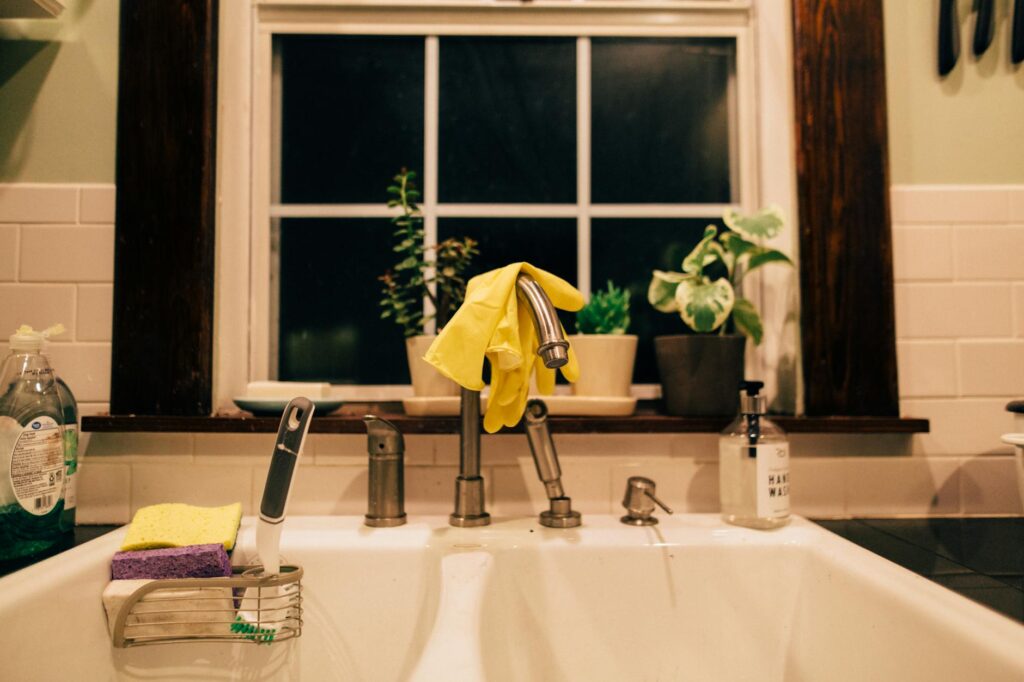
Kitchen Sink Odor Appliances Guide Part 1
Introduction
A pleasant kitchen environment is essential for a welcoming home. However, an unpleasant odor emanating from your kitchen sink can be a major turn-off. Often, this issue is tied to the appliances connected to your sink, such as garbage disposals or dishwashers. In this guide, we will delve into the appliances that may contribute to kitchen sink odors, common causes, effective cleaning methods, and prevention tips to keep your kitchen smelling fresh.
What Causes Appliances?
The appliances linked to your kitchen sink can develop odors for several reasons. Here are the primary appliances involved:
1. Garbage Disposal: Food particles can become trapped, leading to bacterial growth and odor.
2. Dishwasher: Food debris can accumulate in filters and drainage systems.
3. Sink Drains: Grease build-up can create a foul smell.
4. Ice Makers: Stagnant water can develop unpleasant odors.
Understanding the source of the smell is crucial for effective cleaning and odor elimination.
Why This Problem Happens
Appliance-related odors can arise from various factors:
- Food Residue: Small food particles left behind can rot and emit odors.
- Bacterial Growth: Wet, dark environments are ideal for bacteria, leading to smells.
- Clogged Filters: In dishwashers and disposals, clogged filters can trap food waste.
- Stale Water: Water that remains stagnant in ice makers or drains can become foul-smelling.
- Baking Soda and Vinegar: This classic combination neutralizes odors and helps with blockages.
- Dishwasher Cleaner: Use specialized products designed to remove food particles and buildup.
- Essential Oils: Add a few drops of lemon or tea tree oil to your cleaning routine for a fresh scent.
- Hydrogen Peroxide: For stubborn stains and odors, hydrogen peroxide can be effective as a disinfectant.
By identifying these causes, you can address the root of the problem effectively.
How to Fix Appliances (Step-by-Step)
Garbage Disposal
1. Turn Off Power: Unplug the disposal or turn off the circuit breaker to ensure safety.
2. Inspect for Blockages: Use a flashlight to check for debris. Use tongs to remove any visible items.
3. Clean the Baffle: The baffle is the rubber flaps at the top of the disposal. Scrub it with a brush and soapy water.
4. Use Baking Soda and Vinegar: Pour half a cup of baking soda followed by half a cup of vinegar. Let it fizz for 10-15 minutes, then flush with hot water.
5. Rinse with Cold Water: Run cold water through the disposal for a few minutes to ensure thorough cleaning.
Dishwasher
1. Check the Filter: Remove and clean the filter according to the manufacturer’s instructions, usually found in the bottom of the dishwasher.
2. Run a Cleaning Cycle: Use a dishwasher cleaner or a cup of vinegar placed on the top rack and run an empty cycle on hot.
3. Wipe Down Seals: Clean the rubber seals around the door with a damp cloth and mild detergent.
4. Inspect the Drain: Ensure that the drain is clear of any obstructions.
Sink Drains
1. Boil Water: Pour boiling water down the drain to help dissolve grease.
2. Baking Soda and Vinegar: Follow the same method as with the garbage disposal by pouring baking soda and vinegar down the drain.
3. Flush with Water: After 15 minutes, flush with hot water.
4. Use a Plumber’s Snake: If you suspect a deeper clog, use a plumber’s snake to clear out blockages.
Ice Maker
1. Check Water Supply: Ensure the water line is not kinked or blocked.
2. Clean the Ice Bin: Remove the ice bin and wash it with warm soapy water.
3. Run a Cleaning Cycle: If your ice maker has a cleaning cycle, follow the manufacturer’s instructions.
Best Cleaning Methods
To effectively combat odors from kitchen sink appliances, consider these cleaning methods:
Common Mistakes to Avoid
1. Neglecting Regular Maintenance: Regular cleaning prevents buildup and odors.
2. Using Harsh Chemicals: Avoid caustic cleaners that can damage appliances or pipes.
3. Ignoring Clogs: Addressing minor clogs early can prevent more significant issues.
4. Not Running Water: Always rinse appliances after use to prevent food residue from drying and smelling.
Prevention Tips
1. Run Disposal Regularly: Use your garbage disposal frequently to minimize food build-up.
2. Use Cold Water: When operating the disposal, always use cold water to solidify grease.
3. Clean Filters Monthly: Regularly check and clean dishwasher filters.
4. Flush Drains Weekly: Pour boiling water down the drain weekly to keep grease at bay.
5. Avoid Overloading Dishwasher: Ensure that dishes are placed correctly to allow proper drainage.
Frequently Asked Questions
1. How often should I clean my garbage disposal?
Clean your garbage disposal at least once a month to prevent odors and clogs.
2. Can I use bleach to clean my dishwasher?
Avoid using bleach in your dishwasher as it can damage seals and pipes. Stick to vinegar or specialized dishwasher cleaners.
3. What can I do if the odor persists after cleaning?
If odors persist, inspect for deeper clogs or consider calling a plumber to check for underlying issues.
4. Is it safe to use essential oils in my garbage disposal?
Yes, essential oils like lemon or tea tree oil can help freshen up your disposal without causing harm.
5. How can I prevent ice maker odors?
Regularly clean your ice bin and ensure the water supply line is clear to prevent stagnant water.
6. Should I use hot or cold water when cleaning my sink drains?
Use hot water to help dissolve grease, but cold water when running garbage disposals to solidify any fat.
Conclusion
A clean, odor-free kitchen is achievable with the right knowledge and techniques. By understanding your appliances’ roles in kitchen sink odors, identifying the causes, and implementing effective cleaning methods, you can keep your kitchen smelling fresh. Regular maintenance and proactive measures will prevent unpleasant odors from becoming a recurring issue. Stay tuned for Part 2, where we will explore more in-depth cleaning solutions and tips for your kitchen appliances.