
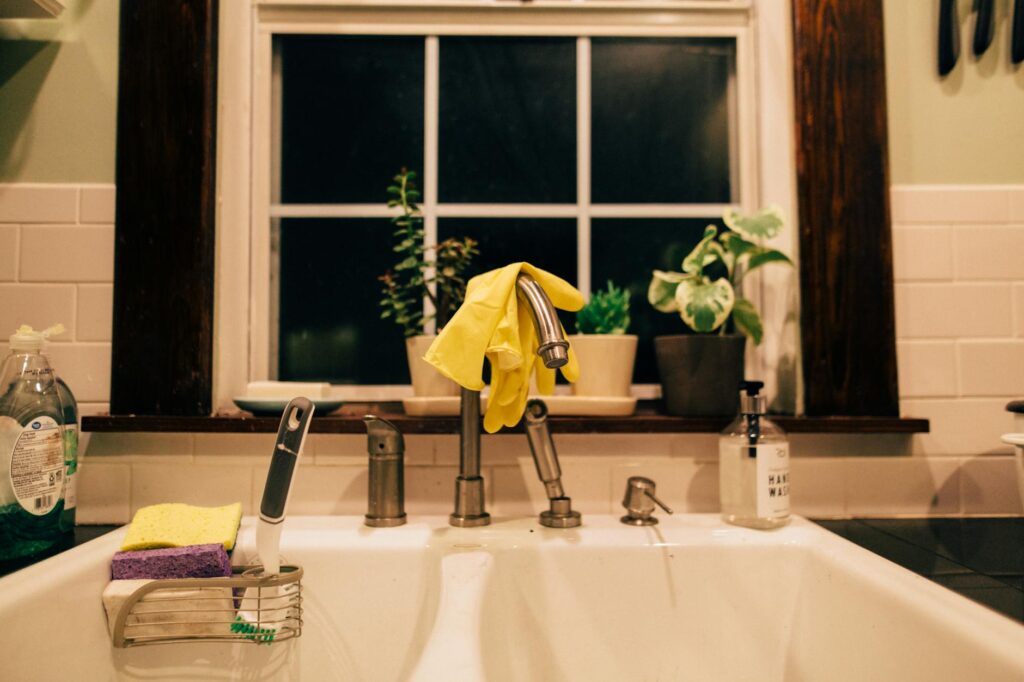
Kitchen Sink Mold Stains Guide Part 1
Introduction
Kitchen sinks are often the hub of activity in a home, but they can also be a breeding ground for mold and unsightly stains. Mold not only looks unappealing but can also create unpleasant odors and pose health risks. This guide will help you understand what causes these stains, how to effectively clean them, and how to prevent them from returning.
What Causes Stains?
Stains in your kitchen sink typically arise from a combination of factors:
1. Food Residue: Leftover food particles can cling to the sink surface, providing a food source for mold.
2. Moisture: Kitchens are humid environments, and moisture can accumulate in sinks, creating a perfect breeding ground for mold.
3. Poor Ventilation: Insufficient airflow can trap humidity in the kitchen, promoting mold growth.
4. Hard Water: Mineral deposits from hard water can create spots and stains that attract grime and mold.
Understanding these causes is essential for effective cleaning and prevention.
Why This Problem Happens
The combination of organic material (like food debris) and moisture creates an ideal environment for mold. When you rinse dishes or wash vegetables, tiny particles can settle in the sink. If the sink isn’t properly cleaned and dried, mold can quickly develop.
Additionally, if your kitchen lacks proper ventilation, moisture can linger. Over time, this leads to persistent stains that are difficult to remove. Hard water can exacerbate the issue, as mineral deposits can cling to the sink and create a rough surface for mold to latch onto.
How to Fix Stains (Step-by-Step)
Step 1: Gather Your Supplies
Before you start cleaning, gather the following items:
- Rubber gloves
- Scrub brush or sponge
- Baking soda
- White vinegar
- Dish soap
- Spray bottle
- Microfiber cloth
- Spread the baking soda paste over the stained areas in the sink.
- Let it sit for about 15–20 minutes to break down the mold.
- Use a scrub brush or sponge to scrub the sink, focusing on stained areas.
- Rinse with warm water to remove the baking soda.
- Spray the vinegar solution onto the sink.
- Allow it to fizz for a few minutes, which helps lift any remaining stains.
- Rinse the sink thoroughly with warm water.
- Dry the sink with a microfiber cloth to remove moisture.
Step 2: Prepare the Cleaning Solution
1. Baking Soda Paste: Mix 1 cup of baking soda with a few tablespoons of water to form a paste.
2. Vinegar Solution: Fill a spray bottle with equal parts white vinegar and water.
Step 3: Apply the Baking Soda Paste
Step 4: Scrub the Sink
Step 5: Spray with Vinegar Solution
Step 6: Final Rinse and Dry
Best Cleaning Methods
1. Baking Soda and Vinegar: This classic combination is effective for breaking down stains and mold.
2. Hydrogen Peroxide: For tougher stains, use hydrogen peroxide as a spot treatment. Apply it directly to the stain and let it sit for 10 minutes before rinsing.
3. Commercial Mold Removers: If natural methods aren’t working, consider commercial products specifically designed for mold removal in kitchens.
Common Mistakes to Avoid
1. Not Ventilating the Area: Always ensure your kitchen is well-ventilated while cleaning to prevent moisture buildup.
2. Using Abrasive Cleaners: Avoid harsh chemicals or abrasive tools that can scratch your sink surface.
3. Ignoring Regular Maintenance: Regularly cleaning your sink can prevent mold buildup. Don’t wait for stains to develop.
Prevention Tips
1. Wipe Down After Use: After washing dishes or preparing food, wipe down the sink to remove moisture and food particles.
2. Use a Sink Mat: Consider using a sink mat to catch food debris and make cleaning easier.
3. Install a Ventilation Fan: If your kitchen lacks airflow, consider installing a fan to reduce humidity.
4. Regular Cleaning Schedule: Establish a routine cleaning schedule to keep your sink mold-free.
Frequently Asked Questions
1. How often should I clean my kitchen sink to prevent mold?
Aim to clean your kitchen sink daily, especially after heavy use. A quick wipe-down can prevent mold growth.
2. Can I use bleach to remove mold stains?
While bleach can be effective, it’s not always necessary and can be harmful to some sink materials. Opt for natural solutions first.
3. What should I do if stains persist after cleaning?
For persistent stains, consider applying hydrogen peroxide or a commercial mold remover. Let it sit longer before rinsing.
4. Is it safe to use vinegar on all types of sinks?
Vinegar is generally safe for stainless steel and ceramic sinks but can damage some natural stone surfaces. Always test a small area first.
5. How do I know if I have mold in my sink?
Look for dark or greenish stains, a musty smell, or visible growth. If you suspect mold, clean immediately.
6. Can mold in the sink affect my health?
Yes, mold can release spores that may cause allergy symptoms or respiratory issues. It’s essential to keep your sink clean and mold-free.
By following these guidelines, you can effectively tackle kitchen sink mold stains and maintain a cleaner, healthier kitchen environment. Stay tuned for Part 2, where we’ll discuss more advanced cleaning techniques and solutions!