
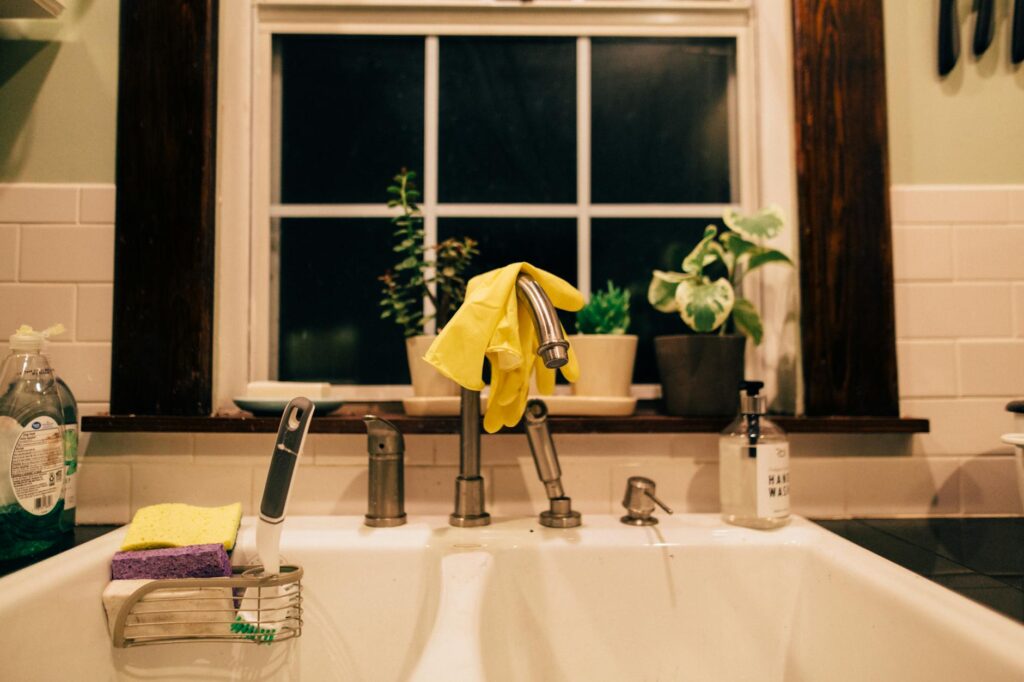
Kitchen Sink Mold Laundry Guide Part 1
Introduction
Kitchen sinks are often the hub of daily activity, making them susceptible to mold and mildew growth. When this occurs, it can transfer to laundry, leading to unpleasant odors and potential stains on your clothes. This guide aims to help you understand what causes mold in your kitchen sink, how to fix it, and how to prevent it from affecting your laundry.
What Causes Laundry?
Laundry can become a canvas for mold due to several factors, particularly when it comes in contact with contaminated surfaces like a moldy kitchen sink. The primary causes include:
1. Moisture: Sinks often retain water, providing a perfect breeding ground for mold.
2. Food Residue: Organic matter left behind can contribute to mold growth.
3. Lack of Airflow: Closed spaces with little ventilation are more prone to mold.
4. Temperature Fluctuations: Warm, humid conditions can accelerate mold growth.
Understanding these factors is essential for both cleaning and prevention.
Why This Problem Happens
The kitchen sink is a high-traffic area where food particles and moisture accumulate. When left unchecked, this environment fosters mold growth, which can then transfer to your laundry.
Mold spores can become airborne and settle on clothing, especially if they are left damp in the laundry basket. Additionally, if you use your kitchen sink to rinse clothing or dish towels, any existing mold can easily contaminate your laundry.
How to Fix Laundry (Step-by-Step)
To effectively address the issue of mold transferring from your kitchen sink to your laundry, follow these actionable steps:
Step 1: Identify Affected Laundry
- Check for Smells: Identify any laundry that has a musty or sour odor.
- Inspect for Stains: Look for dark, discolored patches that may indicate mold.
- Mix equal parts white vinegar and water in a spray bottle.
- Spray the affected areas and let it sit for at least 30 minutes.
- Use a soft brush to gently scrub the stains.
- Select the hottest water setting safe for the fabric.
- Add a cup of baking soda to your laundry detergent to boost cleaning power.
- Wash the affected items together to ensure thorough cleaning.
- Use a dryer on high heat, as the heat will kill any remaining mold spores.
- If air drying, ensure the area is well-ventilated and dry completely.
- Vinegar: Acts as a natural disinfectant and mold killer.
- Baking Soda: Absorbs odors and enhances cleaning.
- Use a 3% hydrogen peroxide solution for tougher mold stains. Spray directly onto the affected areas, let it sit for 10 minutes, and scrub.
- If natural methods fall short, consider using a commercial mold cleaner. Follow the manufacturer’s instructions carefully.
Step 2: Pre-Treat Stains
Step 3: Wash with Hot Water
Step 4: Dry Thoroughly
Best Cleaning Methods
When it comes to eradicating mold from both your kitchen sink and laundry, consider these effective methods:
Vinegar and Baking Soda
To clean your sink, pour vinegar directly into the basin, followed by baking soda. Let it fizz for a few minutes, then scrub with a sponge.
Hydrogen Peroxide
Commercial Mold Cleaners
Common Mistakes to Avoid
Ignoring Early Signs
Don’t wait for visible mold to appear. If you notice a musty smell, address it immediately.
Using Hot Water on All Fabrics
Always check fabric care labels. Some materials may shrink or get damaged in hot water.
Overloading the Washer
Give your laundry enough space to move freely. An overloaded washer can lead to insufficient cleaning.
Skipping Drying
Damp clothes are prime candidates for mold growth. Always dry thoroughly after washing.
Prevention Tips
Preventing mold from transferring from your kitchen sink to your laundry requires proactive measures:
1. Regular Cleaning: Clean your kitchen sink weekly using vinegar or baking soda.
2. Keep It Dry: Wipe down the sink after use to eliminate lingering moisture.
3. Ventilation: Ensure your kitchen is well-ventilated to reduce humidity.
4. Laundry Care: Avoid leaving damp clothes in the laundry basket for too long.
5. Use a Drain Cover: This can help catch food particles and reduce mold growth.
Frequently Asked Questions
1. How can I tell if my laundry has mold?
Look for musty smells or dark spots on your clothing.
2. Can I use bleach to remove mold?
While bleach can kill mold, it may not be effective on porous surfaces and can damage some fabrics.
3. What should I do if my laundry smells musty after washing?
Rewash the items using hot water and add baking soda to your detergent.
4. How often should I clean my kitchen sink?
Aim to clean your kitchen sink at least once a week to prevent mold growth.
5. Can mold on my laundry make me sick?
While it may not directly cause illness, inhaling mold spores can lead to respiratory issues for sensitive individuals.
6. What should I do if mold keeps returning?
If mold persists, consider checking for leaks or poor ventilation in your kitchen, as these can contribute to ongoing problems.
By following these guidelines, you can tackle kitchen sink mold effectively and protect your laundry from its adverse effects. Stay vigilant, maintain cleanliness, and your home will stay fresh and mold-free.