
Kitchen Sink Mold Appliances Guide Part 2
Introduction
Mold in your kitchen sink is not just an unsightly nuisance; it can also pose potential health risks. In this guide, we’ll dive into the appliances that can contribute to mold growth in and around your sink, explore why this happens, and provide practical solutions to combat the issue. By the end of this article, you’ll have actionable steps to not only clean but also prevent mold from reappearing.
What Causes Appliances?
When we talk about appliances in relation to kitchen sink mold, we’re referring mainly to dishwashers, garbage disposals, and even your kitchen faucet. Each of these appliances can create an environment conducive to mold growth. Here’s how:
- Dishwashers: If not properly drained or cleaned, residual moisture can linger, leading to mold development.
- Garbage Disposals: Organic waste can get trapped, creating a breeding ground for mold and bacteria.
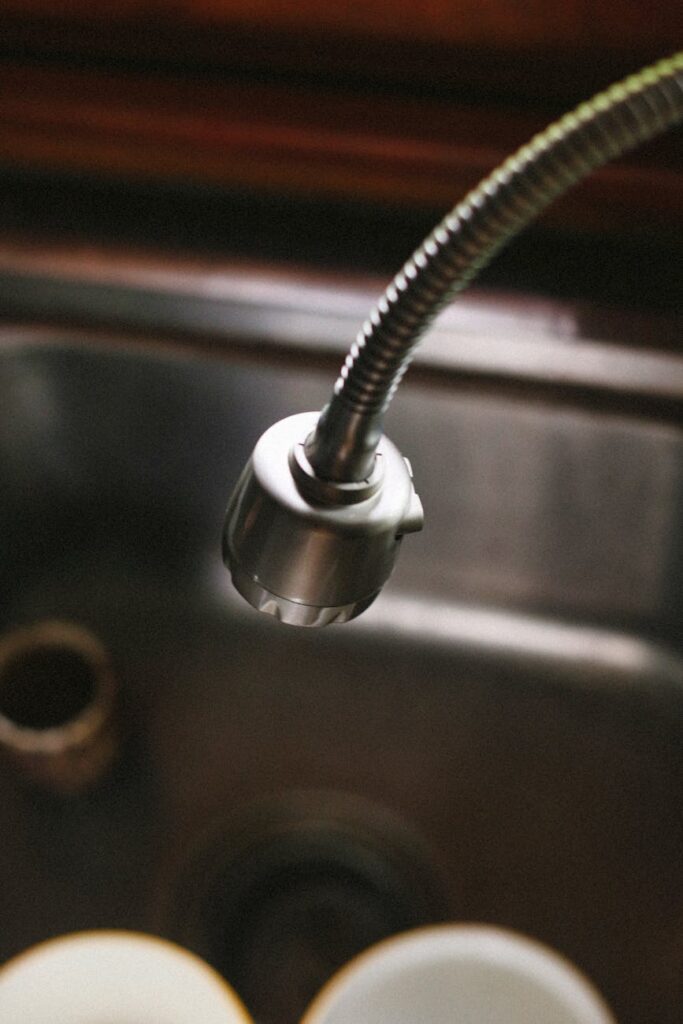
- Faucets: Drips and leaks can accumulate water around the sink, promoting mold growth.
- White Vinegar: A natural disinfectant that can kill up to 82% of mold species. Spray it directly on the affected areas and wipe clean.
- Baking Soda: Sprinkle it on damp areas and scrub with a brush. It helps absorb odors and can lift mold.
- Hydrogen Peroxide: A 3% solution can be sprayed on the moldy areas and left for about 10 minutes before scrubbing.
- Bleach: While effective, it should be used cautiously and only in well-ventilated areas. Mix 1 cup of bleach with 1 gallon of water, apply, and rinse thoroughly.
Understanding the link between these appliances and mold is crucial when addressing the problem effectively.
Why This Problem Happens
Mold thrives in damp, dark environments. The kitchen sink area often provides just that. Here are some common reasons why mold develops around your appliances:
1. Moisture: Constant exposure to water creates an ideal habitat for mold spores.
2. Food Residue: Organic materials left behind can serve as a food source for mold.
3. Poor Ventilation: Lack of airflow can trap humidity in the kitchen, exacerbating the problem.
4. Temperature: Warm conditions can accelerate mold growth, especially in kitchens with high heat from cooking.
How to Fix Appliances (Step-by-Step)
Cleaning the Dishwasher
1. Empty the Dishwasher: Remove all dishes and utensils.
2. Inspect the Filter: Take out the filter and clean it under hot running water to remove any debris.
3. Run a Cleaning Cycle: Use a dishwasher cleaner or a cup of vinegar placed in a bowl on the top rack. Run a hot cycle.
4. Wipe Down Seals: Use a damp cloth with vinegar or a mild cleaner to wipe the rubber seals around the door.
Cleaning the Garbage Disposal
1. Turn Off the Power: Ensure the disposal is turned off before cleaning.
2. Remove Debris: Use tongs or pliers to remove any visible food particles inside the disposal.
3. Flush with Water: Run cold water for a minute to help dislodge any remaining particles.
4. Use Ice and Salt: Grind a handful of ice cubes and a cup of rock salt to help clean the blades.
5. Freshen Up: Drop in a few lemon wedges and run the disposal for an extra fresh scent.
Cleaning the Kitchen Faucet
1. Check for Leaks: Inspect the faucet for any leaks and fix them to minimize moisture.
2. Wipe the Faucet: Use a mixture of equal parts vinegar and water to wipe down the faucet and remove any mold.
3. Clean the Aerator: Unscrew the aerator at the end of the faucet and soak it in vinegar to remove mineral build-up.
Best Cleaning Methods
Here are some effective cleaning solutions and methods for tackling mold in your kitchen sink area:
Common Mistakes to Avoid
When dealing with mold around your kitchen sink and appliances, be mindful of these common pitfalls:
1. Ignoring Hidden Areas: Mold can grow in places you can’t see, such as under the sink or around pipes. Always inspect these areas.
2. Using Too Much Water: Excessive moisture can worsen the problem. Use damp cloths instead of soaking areas with water.
3. Not Ventilating: After cleaning, ensure the area is well-ventilated to prevent mold from returning.
4. Overlooking Regular Maintenance: Regular cleaning of appliances can prevent mold from forming in the first place.
Prevention Tips
To keep mold at bay in your kitchen sink area, follow these preventive measures:
1. Regular Cleaning: Clean your sink, disposal, and dishwasher weekly to minimize mold growth.
2. Fix Leaks Promptly: Address any plumbing issues immediately to eliminate excess moisture.
3. Improve Ventilation: Use exhaust fans or open windows while cooking to reduce humidity levels.
4. Use a Squeegee: After washing dishes, use a squeegee to remove excess water from the sink area.
5. Store Food Properly: Ensure any food waste is disposed of quickly and that your garbage disposal is regularly maintained.
Frequently Asked Questions
1. How often should I clean my kitchen sink to prevent mold?
Aim to clean your kitchen sink and its appliances at least once a week to prevent mold growth.
2. Can I use bleach to clean mold in my kitchen sink?
Yes, bleach can be effective, but use it carefully and ensure the area is well-ventilated. Rinse thoroughly afterward.
3. What are the signs of mold around my sink?
Look for dark spots, a musty smell, and any discoloration around the sink and appliances.
4. Is mold in the kitchen sink dangerous?
While not all molds pose health risks, some can cause allergic reactions or respiratory issues. It’s best to clean it promptly.
5. Should I call a professional if mold keeps returning?
If mold continues to be a problem despite your efforts, consider consulting a professional for a more thorough inspection.
6. Can I prevent mold without using chemicals?
Yes, using natural cleaning solutions like vinegar and baking soda can be effective for cleaning and preventing mold.
By following these guidelines, you can tackle kitchen sink mold effectively and keep your home clean and healthy. Make these practices part of your routine, and you’ll create a mold-free kitchen environment.