
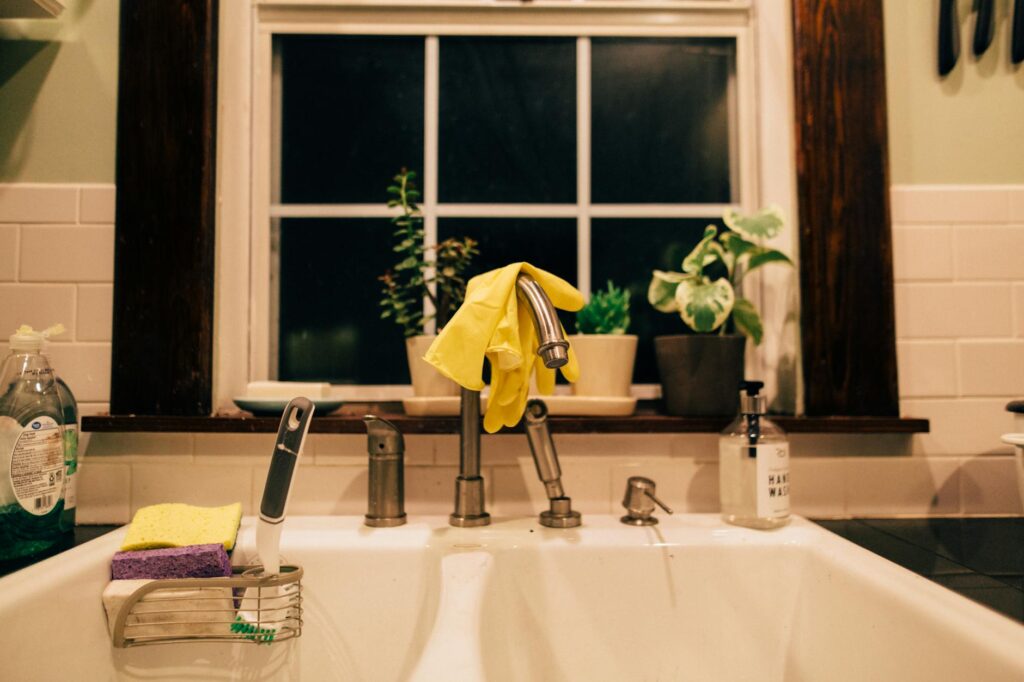
Kitchen Sink Mildew Kitchen Guide Part 1
Introduction
Mildew in your kitchen sink can be a frustrating and unsightly issue. Not only does it affect the appearance of your kitchen, but it can also lead to unpleasant odors and potential health concerns. This guide will provide you with actionable steps to eliminate kitchen sink mildew and prevent it from returning.
What Causes Kitchen Sink Mildew?
Mildew thrives in damp, warm environments, making kitchen sinks a prime location. Key causes include:
- Moisture: Residual water left in sinks after washing dishes creates the perfect breeding ground.
- Food Particles: Bits of food that get stuck in the drain or around the sink can contribute to mildew growth.
- Poor Ventilation: Lack of airflow in the kitchen can lead to higher humidity levels.
- Temperature Fluctuations: Warm temperatures combined with moisture create an ideal environment for mildew.
- Daily Use: Sinks are frequently used, which can mask the problem until it becomes severe.
- Hidden Areas: Mildew can grow in places that are not easily visible, such as under the sink or in the drain.
- Neglect: Regular cleaning routines often skip over areas prone to mildew, allowing it to flourish.
- Dish soap
- Baking soda
- White vinegar
- A scrub brush or sponge
- A spray bottle
- Gloves (optional)
- Regular Maintenance: Clean your sink daily to prevent mildew buildup. A quick wipe down after washing dishes can make a big difference.
- Deep Cleaning: Perform a deep clean weekly using the baking soda and vinegar method.
- Use a Mildew Remover: For persistent mildew, consider commercial mildew removers. Always follow the manufacturer’s instructions.
- Ignoring the Drain: Mildew can build up in the drain, so be sure to clean it regularly.
- Using Too Much Water: Allowing the sink to stay wet can lead to mildew. Always dry it after use.
- Overlooking Hidden Areas: Don’t forget to check under the sink and around the faucet where mildew can hide.
- Neglecting Sponges: Sponges can harbor mildew themselves. Replace them regularly.
- Keep It Dry: After using the sink, dry it with a cloth. This simple step can significantly reduce moisture.
- Improve Ventilation: Open windows or use a fan in the kitchen to reduce humidity.
- Use a Drain Cover: This can help prevent food particles from accumulating in the drain.
- Check for Leaks: Fix any leaks promptly to eliminate excess moisture.
Understanding these causes is the first step in tackling the issue effectively.
Why This Problem Happens
Mildew begins to develop when spores land on damp surfaces. The kitchen sink, with its constant exposure to water and food particles, becomes an ideal spot. Here’s why it often goes unnoticed until it becomes a problem:
Awareness of these factors can help you stay proactive in your cleaning regimen.
How to Fix Kitchen Sink Mildew (Step-by-Step)
Getting rid of kitchen sink mildew doesn’t have to be complicated. Follow these steps:
Step 1: Gather Your Supplies
You will need:
Step 2: Clear the Area
Remove any items from the sink and surrounding areas. This includes dish racks, sponges, and any food items.
Step 3: Apply a Cleaning Solution
1. Dish Soap and Water: Mix a few drops of dish soap with warm water. Use this solution to wipe down the sink and surrounding areas. This helps remove grease and grime.
2. Baking Soda Paste: Create a paste using baking soda and water. Apply this to the mildewed areas and let it sit for 10-15 minutes.
Step 4: Scrub the Sink
Using a scrub brush or sponge, scrub the sink thoroughly. Focus on grouted areas and any visible mildew. Rinse the sink with warm water afterward.
Step 5: Disinfect with Vinegar
In a spray bottle, mix equal parts water and white vinegar. Spray this solution onto the sink and let it sit for another 10 minutes. Vinegar is a natural disinfectant that helps kill mildew spores.
Step 6: Rinse Again
Rinse the sink thoroughly with warm water to remove any remaining cleaning solution.
Step 7: Dry the Sink
Use a clean cloth to dry the sink completely. This step is crucial, as moisture encourages mildew growth.
Best Cleaning Methods
Common Mistakes to Avoid
Prevention Tips
Frequently Asked Questions
1. How often should I clean my kitchen sink to prevent mildew?
Aim for daily cleaning, with a more thorough deep clean once a week.
2. Can I use bleach to clean mildew?
Bleach can kill mildew, but it’s not always necessary and can be harsh. Opt for vinegar and baking soda as safer alternatives.
3. Is mildew harmful?
While mildew itself isn’t necessarily harmful, it can lead to allergies and respiratory issues in some individuals. It’s best to eliminate it promptly.
4. How can I tell if mildew is in my sink?
Signs include a musty smell, visible black or green spots, and a slippery texture on surfaces.
5. What if the mildew keeps coming back?
If mildew persists, assess your cleaning routine and ensure you’re drying the sink after each use. Check for leaks and improve ventilation.
6. Can I use essential oils to prevent mildew?
Yes, some essential oils like tea tree oil have antifungal properties. Add a few drops to your cleaning solutions for extra protection.
By following these steps and tips, you can tackle kitchen sink mildew effectively, making your kitchen a cleaner and healthier space. Stay proactive about maintenance, and you’ll keep mildew at bay for good.