
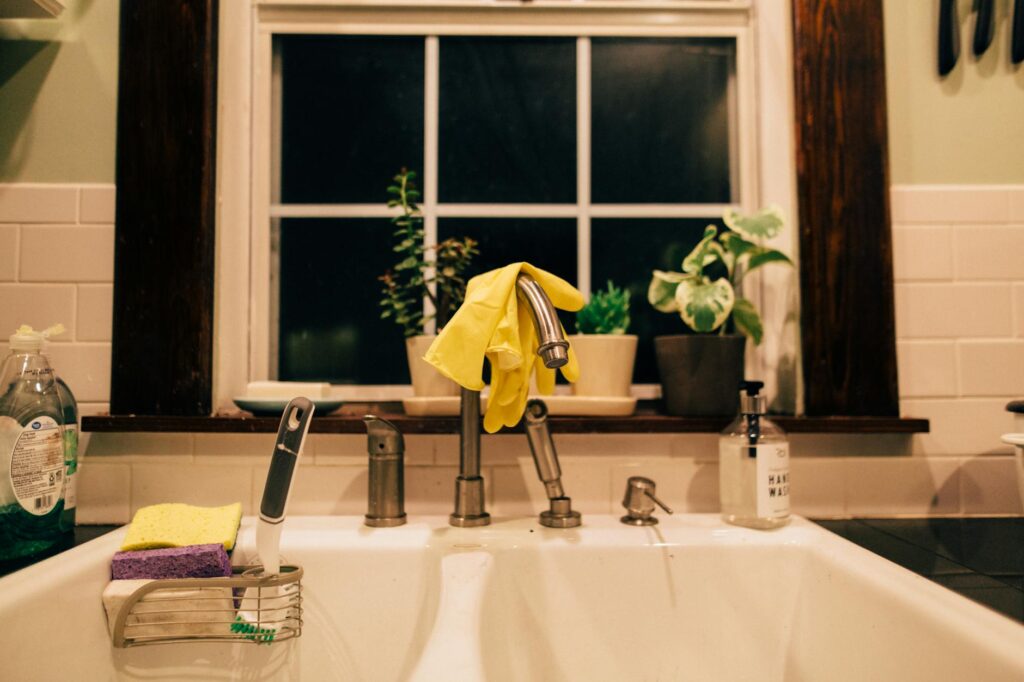
Kitchen Sink Mildew Cleaning Guide Part 2
Introduction
Mildew in your kitchen sink can be both unsightly and a source of unpleasant odors. It’s not just a cosmetic issue; it can affect the cleanliness of the area where you prepare food. This guide is designed to help you understand the causes of mildew, how to effectively clean it, and ways to prevent it from returning.
What Causes Mildew?
Mildew thrives in damp, warm environments. In kitchens, the sink is often the perfect breeding ground for this fungus due to leftover food particles, water splashes, and humidity from cooking. Common causes include:
1. Food Residue: Bits of food left behind can create a breeding ground for mildew.
2. Moisture: Regular use of the sink without proper drying can lead to water pooling.
3. Poor Ventilation: Lack of airflow can trap humidity, allowing mildew to flourish.
4. Neglected Cleaning: Infrequent cleaning routines can allow mildew to build up over time.
Why This Problem Happens
Understanding why mildew appears is crucial for prevention and effective cleaning. Here are a few reasons:
- Organic Material: Mildew feeds on organic materials like food particles and soap scum.
- High Humidity: Kitchens often experience increased humidity, especially when cooking.
- Lack of Cleaning: If the sink area isn’t cleaned regularly, mildew can form rapidly.
- Baking soda
- White vinegar
- Dish soap
- Scrub brush or sponge
- Old toothbrush
- Rubber gloves
- Spray bottle
- Microfiber cloth
- Baking Soda and Vinegar: This combination is effective for breaking down mildew and deodorizing.
- Bleach Solution: For severe mildew, a diluted bleach solution (1 cup bleach to 1 gallon of water) can be used. Always rinse thoroughly.
- Commercial Mildew Removers: There are many products available specifically designed for mildew removal. Follow the manufacturer’s instructions.
How to Fix Mildew (Step-by-Step)
Step 1: Gather Your Supplies
You’ll need:
Step 2: Prepare the Area
1. Clear the Sink: Remove all dishes and debris from the sink.
2. Rinse: Give the sink a quick rinse to remove any loose particles.
Step 3: Create a Cleaning Solution
1. Vinegar and Baking Soda: Mix equal parts white vinegar and baking soda in a bowl. This will create a fizzing reaction that helps break down mildew.
2. Dish Soap Mixture: In a spray bottle, mix a few drops of dish soap with warm water.
Step 4: Apply the Cleaning Solution
1. Spray the Sink: Generously spray the soap mixture all over the sink, focusing on areas with visible mildew.
2. Add the Vinegar and Baking Soda: Pour or spread the vinegar and baking soda mixture over the sink.
Step 5: Scrub the Sink
1. Use a Scrub Brush: Scrub the sink with a brush, paying special attention to corners and crevices.
2. Old Toothbrush: Use the toothbrush to scrub around the faucet and any difficult-to-reach spots.
Step 6: Rinse Thoroughly
Rinse the sink with warm water, ensuring all cleaning products are washed away.
Step 7: Dry the Sink
Use a microfiber cloth to dry the sink completely. This step is crucial to prevent future mildew growth.
Best Cleaning Methods
Common Mistakes to Avoid
1. Neglecting to Dry: Leaving the sink wet after cleaning can allow mildew to return quickly.
2. Using Too Much Product: Overusing cleaning products can leave residues that attract more dirt.
3. Ignoring Hidden Areas: Be sure to clean under the sink’s rim and in any crevices where mildew may hide.
Prevention Tips
1. Regular Cleaning: Clean your sink at least once a week to prevent mildew buildup.
2. Dry After Use: Wipe down the sink after each use to eliminate moisture.
3. Improve Ventilation: Use an exhaust fan or open windows while cooking to reduce humidity.
4. Use a Dish Rack: Allow dishes to air dry instead of leaving them in the sink, which can trap moisture.
Frequently Asked Questions
1. How often should I clean my kitchen sink to prevent mildew?
Aim for a thorough clean once a week, with quick wipe-downs after each use.
2. Can I use bleach to remove mildew from my sink?
Yes, a diluted bleach solution can be effective, but ensure you rinse thoroughly to avoid any residue.
3. What should I do if the mildew keeps coming back?
Increase your cleaning frequency, dry the sink after each use, and check for any leaks or moisture issues in the area.
4. Is it safe to use vinegar and baking soda together?
Yes, using these two together is safe and effective for cleaning mildew. Just be cautious of the fizzing reaction and ensure proper ventilation.
5. Are commercial mildew cleaners effective?
Yes, many commercial products are effective, but always read and follow the instructions for safe use.
6. How can I tell if the mildew is gone?
Once scrubbed and rinsed, the sink should appear clean and smell fresh. If any stains remain, repeat the cleaning process.
By following these steps and tips, you can effectively combat mildew in your kitchen sink, ensuring a cleaner, healthier space for food preparation. Regular maintenance is key to preventing future issues, so make cleaning a part of your routine.