
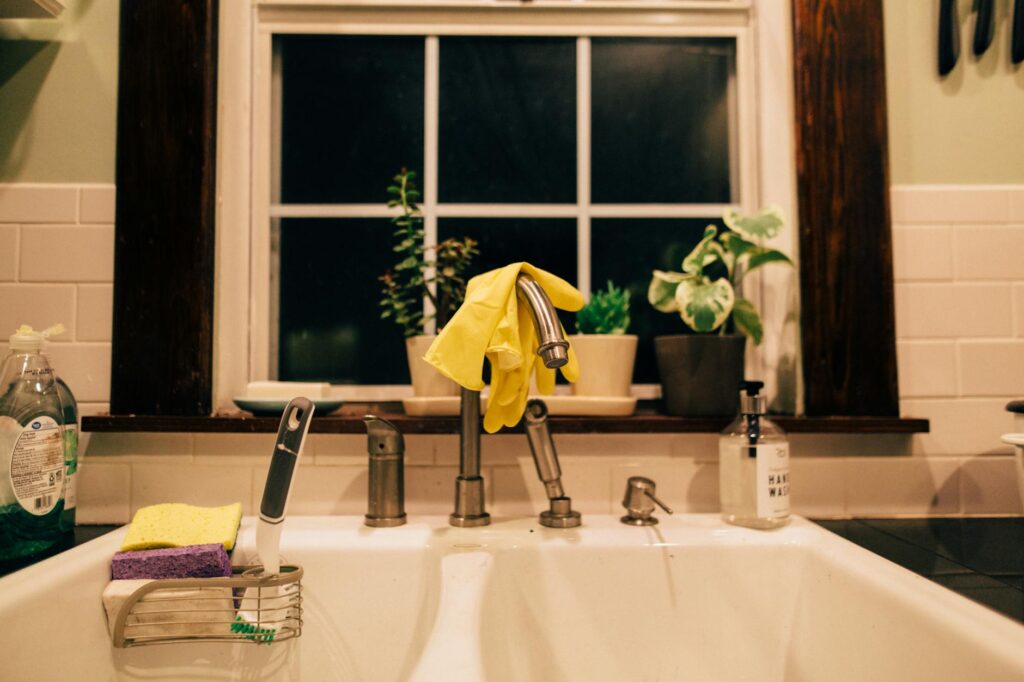
Kitchen Sink Mildew Bathroom Guide Part 1
Introduction
Mildew in your kitchen sink can be a frustrating issue, especially when it spreads to nearby areas like the bathroom. Not only is it unsightly, but it can also create unpleasant odors and contribute to a less hygienic environment. This guide will help you understand what causes mildew, how to eliminate it effectively, and how to prevent it from coming back.
What Causes Bathroom Mildew?
Mildew thrives in damp, warm environments, making bathrooms and kitchens prime targets. Here are the primary causes:
- Moisture: Excess moisture from showers, sinks, and leaks.
- Poor Ventilation: Lack of airflow can trap humidity.
- Organic Matter: Soap scum, hair, and food particles provide nutrients for mildew.
- Temperature: Warm temperatures can accelerate mildew growth.
- Shower walls and curtains
- Sink edges and drains
- Underneath cabinets and sinks
- White vinegar or hydrogen peroxide
- Baking soda
- Spray bottle
- Scrub brush or sponge
- Old toothbrush
- Microfiber cloths
- Gloves (optional)
- Baking Soda Paste: Mix baking soda with water to form a paste. Apply it to mildew spots, let it sit, and scrub.
- Hydrogen Peroxide: Use a 3% hydrogen peroxide solution for a powerful mildew killer. Spray, let it sit, and rinse.
- Commercial Cleaners: If natural methods fail, consider a commercial mildew cleaner specifically designed for kitchens and bathrooms.
- Test Surfaces First: Always test cleaning solutions on a small, inconspicuous area to avoid damage.
- Follow Instructions: If using commercial products, follow the manufacturer’s instructions carefully.
Understanding these factors is essential for effective cleaning and prevention.
Why This Problem Happens
Mildew forms when spores land on a moist surface and begin to grow. In bathrooms, this often occurs in areas that don’t receive enough light or airflow, such as:
If left unchecked, mildew can spread quickly and become a bigger problem. Recognizing the signs early can save you time and effort in the long run.
How to Fix Bathroom Mildew (Step-by-Step)
Step 1: Gather Your Supplies
Before you begin, gather the following cleaning supplies:
Step 2: Prepare the Area
1. Clear the Sink: Remove all items from the sink and surrounding area.
2. Ventilate: Open windows or turn on fans to improve airflow.
Step 3: Apply Cleaner
1. Vinegar Solution: Fill a spray bottle with equal parts white vinegar and water.
2. Spray: Generously spray the affected areas, focusing on the sink edges, faucet, and any visible mildew.
Step 4: Let It Sit
Allow the vinegar solution to sit for at least 10 minutes. This will help break down the mildew.
Step 5: Scrub
1. Use a Scrub Brush: With a scrub brush or sponge, scrub the areas where mildew has formed.
2. Old Toothbrush: For tight spots, use an old toothbrush to get into crevices.
Step 6: Rinse
Rinse the sink and surrounding areas thoroughly with warm water. Make sure to remove all cleaning solution residues.
Step 7: Dry
Wipe down the areas with a microfiber cloth to ensure they are dry. This step is crucial in preventing mildew from returning.
Best Cleaning Methods
While vinegar is effective, there are other methods you can consider:
Best Practices
Common Mistakes to Avoid
1. Ignoring Ventilation: Poor airflow can lead to recurring mildew. Always ventilate the bathroom after showers or cleaning.
2. Not Cleaning Regularly: Mildew can develop quickly. Regular cleaning is essential.
3. Using Too Much Water: Excess water can promote mildew growth. Ensure surfaces are dry after cleaning.
4. Skipping the Rinse: Leaving cleaning solutions on surfaces can lead to buildup and further mildew growth.
Prevention Tips
1. Regular Cleaning: Establish a weekly cleaning routine that includes sink and bathroom areas.
2. Use Dehumidifiers: If your bathroom is particularly humid, consider a dehumidifier to reduce moisture levels.
3. Seal Grout and Caulk: Regularly maintain and reseal grout and caulk to prevent moisture infiltration.
4. Install Exhaust Fans: Ensure your bathroom has a functioning exhaust fan to improve ventilation.
5. Keep Dry Towels: Use dry towels and mats to minimize moisture accumulation.
Frequently Asked Questions
1. How often should I clean my kitchen sink to prevent mildew?
Aim to clean your kitchen sink at least once a week to keep mildew at bay.
2. Can I use bleach to clean mildew?
While bleach can kill mildew, it may not eliminate spores and can damage some surfaces. Opt for vinegar or hydrogen peroxide for a safer approach.
3. Why does mildew keep coming back?
If mildew returns, it may be due to persistent moisture or poor ventilation. Investigate and address the underlying causes.
4. Is mildew harmful to my health?
While not as harmful as mold, mildew can still cause allergic reactions and respiratory issues in sensitive individuals.
5. Can I prevent mildew without chemicals?
Yes, using natural solutions like vinegar, baking soda, and proper ventilation can effectively prevent mildew.
6. What should I do if mildew has spread significantly?
If the issue is extensive, consider consulting a professional cleaner to address the problem safely and effectively.
In conclusion, tackling kitchen sink mildew in the bathroom requires a proactive approach that includes cleaning, understanding the causes, and implementing preventive measures. By following this guide, you can maintain a clean and mildew-free environment in your home.