
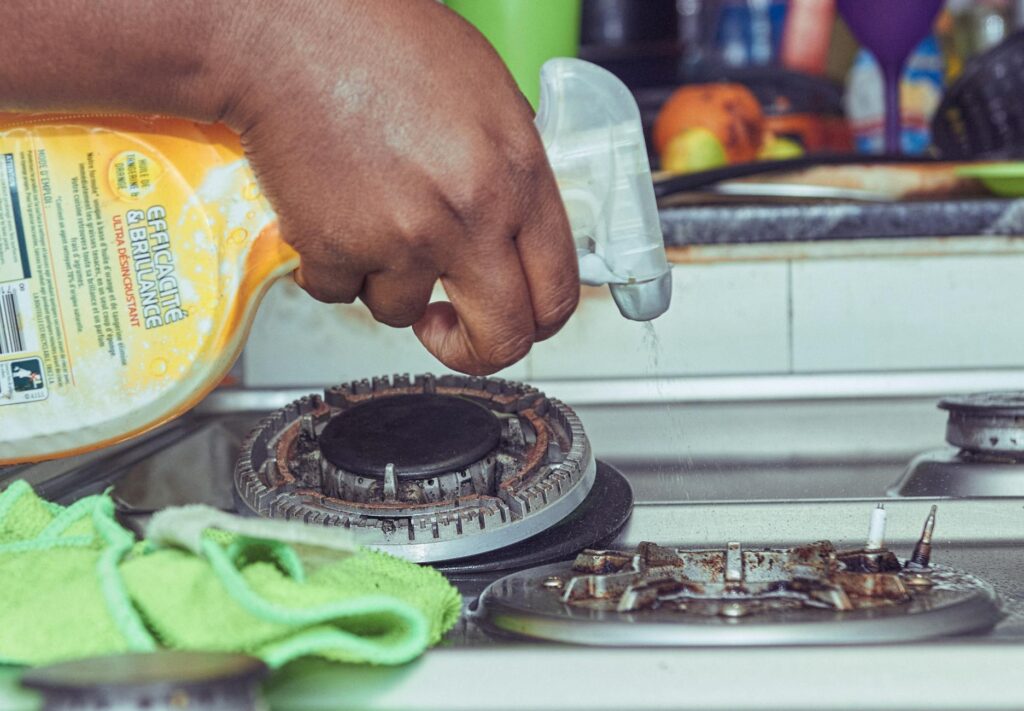
Kitchen Odor Removal Cleaning Guide Part 2
Introduction
Kitchen odors can linger long after you’ve cooked your favorite meal. Whether it’s the smell of fish, burnt food, or even stale spices, these unpleasant scents can turn your cooking space into an uncomfortable environment. This guide aims to provide practical solutions for tackling kitchen odors effectively.
What Causes Kitchen Odors?
Kitchen odors can arise from various sources, including:
1. Cooking Residues: Oil splatters, burnt food, and spilled ingredients can leave behind strong smells.
2. Trash: Food waste can quickly become a breeding ground for bad odors.
3. Appliances: Refrigerators, dishwashers, and microwaves can harbor old food particles.
4. Poor Ventilation: A lack of airflow can trap odors, making them harder to remove.
5. Mold and Mildew: These can develop in damp areas and contribute to unpleasant smells.
Understanding the source of the odors is the first step toward effective removal.
Why This Problem Happens
The reasons behind persistent kitchen odors can be broken down into several categories:
- Food Residues: When food particles aren’t cleaned properly, they break down and produce foul smells.
- Improper Storage: Leftover food stored incorrectly can spoil and emit strong odors.
- Neglected Cleaning: Areas like the sink, garbage disposal, and refrigerator often get overlooked.
- Humidity: High humidity levels can exacerbate odors by promoting the growth of mold and mildew.
- Smell Test: Take a deep breath and identify the strongest odors. Is it coming from the trash, sink, or a specific appliance?
- Check Expiry Dates: Go through your fridge and pantry to discard expired items.
- Surface Cleaning:
- Use a mixture of warm water and dish soap to wipe down countertops, stovetops, and shelves.
- Pay special attention to crevices where food may accumulate.
- Trash Can:
- Empty the trash and clean the bin with a disinfectant solution.
- Consider using baking soda at the bottom to absorb odors.
- Appliances:
- Clean your microwave and oven with a vinegar-water solution.
- Wipe down the refrigerator with a mix of water and baking soda.
- Baking Soda: Place open containers of baking soda in the fridge, freezer, or pantry to absorb odors.
- Vinegar: A bowl of vinegar left in the kitchen can neutralize smells.
- Coffee Grounds: Used coffee grounds can also absorb odors—place them in small bowls around the kitchen.
- Open windows to let fresh air circulate.
- Turn on exhaust fans while cooking to reduce odor buildup.
- Schedule a weekly cleaning of your kitchen, including appliances and surfaces.
- Empty and clean the trash regularly.
- Essential Oils: A few drops of lemon or lavender oil in a bowl of water can freshen the air.
- Citrus Peels: Simmering citrus peels in water can eliminate odors and leave a pleasant scent.
- Commercial Deodorizers: There are various sprays and gels available that can neutralize odors effectively but ensure they are safe for kitchen use.
- Enzyme Cleaners: These break down organic materials and can be effective in eliminating stubborn smells.
- Mix baking soda with water to create a paste. Apply it to areas with strong odors and allow it to sit before rinsing.
Addressing these underlying issues can significantly reduce odors.
How to Fix Kitchen Odors (Step-by-Step)
Step 1: Identify the Source
Step 2: Clean Thoroughly
Step 3: Deodorize
Step 4: Ventilate
Step 5: Regular Maintenance
Best Kitchen Odor Removal Methods
1. Natural Solutions
2. Chemical Solutions
3. Baking Soda Paste
Common Mistakes to Avoid
1. Ignoring Appliances: Many homeowners forget to clean behind or inside appliances where odors can build up.
2. Using the Wrong Cleaners: Avoid using strong chemicals that can leave lingering scents or damage surfaces.
3. Not Ventilating: Failing to ventilate while cooking allows odors to accumulate.
4. Neglecting the Trash: Letting trash sit for too long can lead to overwhelming odors.
5. Overlooking Hidden Areas: Don’t forget to check under sinks and behind cabinets.
Prevention Tips
1. Regular Cleaning: Establish a cleaning routine that includes wiping down surfaces and emptying the trash.
2. Proper Food Storage: Use airtight containers for leftovers and dispose of expired items promptly.
3. Ventilation: Ensure your kitchen is well-ventilated while cooking to minimize odor buildup.
4. Use Absorbents: Place bowls of baking soda or activated charcoal in your kitchen to absorb odors continuously.
5. Cook Smart: Try to minimize cooking methods that produce strong smells (like frying) when possible.
Frequently Asked Questions
1. How often should I clean my kitchen to prevent odors?
Aim for a thorough cleaning once a week, with daily surface wipe-downs and trash removal.
2. Can I use essential oils to remove kitchen odors?
Yes, essential oils can be effective in masking or neutralizing odors. Just be sure to use them safely and appropriately.
3. Why does my fridge smell even after cleaning?
Persistent odors may be due to hidden spills or debris. Check the drip pan and behind food items for any hidden sources of smell.
4. Is it safe to use vinegar on all surfaces?
While vinegar is a great natural cleaner, avoid using it on natural stone surfaces, as it can cause damage.
5. Can baking soda really absorb odors?
Yes, baking soda is a natural deodorizer and can effectively absorb various odors when placed in open containers.
6. What should I do if odors persist despite cleaning?
If odors persist, consider checking for mold growth, inspecting your garbage disposal, or consulting a professional cleaner.
By following this comprehensive guide, you can tackle kitchen odors effectively, ensuring your cooking space remains fresh and inviting. Regular maintenance and smart cleaning practices will go a long way in preventing unpleasant smells from taking hold.