
Kitchen Mold Removal Stains Guide Part 2
Introduction
Mold stains in the kitchen can be a persistent nuisance, affecting both the look and hygiene of your cooking space. Understanding how to effectively remove these stains and prevent them from returning is crucial for maintaining a clean kitchen. In this guide, we will explore the causes of these stains, how to fix them with a step-by-step approach, and tips for prevention.
What Causes Stains?
Mold stains are often a result of excess moisture and organic matter in your kitchen. Common causes include:
- Leaky Pipes: Water leaks from plumbing can create damp areas, perfect for mold growth.
- Poor Ventilation: Lack of airflow can trap humidity, fostering mold.
- Food Debris: Spills and crumbs left on surfaces can feed mold spores.
- Humidity: High humidity levels can contribute to mold growth, especially in kitchens.
- Protective gloves and mask
- Spray bottle
- White vinegar or hydrogen peroxide
- Baking soda
- Soft scrub brush or sponge
- Old cloths or paper towels
- Under the sink
- Around windows
- On walls near cooking surfaces
- Inside cabinets
- Ignoring Small Stains: Even minor stains can lead to larger mold problems if left untreated.
- Using Bleach: While bleach can remove color, it does not kill mold spores effectively and can lead to regrowth.
- Not Ventilating the Area: After cleaning, ensure the area is well-ventilated to prevent moisture buildup.
- Skipping Safety Gear: Always wear gloves and a mask to protect yourself from mold spores and cleaning chemicals.
- Improve Ventilation: Use exhaust fans while cooking and open windows to allow airflow.
- Fix Leaks Promptly: Repair any plumbing leaks immediately to reduce moisture.
- Clean Regularly: Wipe down surfaces frequently to remove food debris and moisture.
- Use Dehumidifiers: In damp areas, dehumidifiers can help maintain optimal humidity levels.
- Seal Surfaces: Consider sealing porous surfaces like wood or drywall with mold-resistant paint.
Why This Problem Happens
Mold thrives in warm, moist environments, making kitchens an ideal breeding ground. When food particles or spills are not cleaned promptly, they can attract mold spores that are always present in the air. If conditions remain favorable—such as a warm temperature and high humidity—mold can grow rapidly, leaving unsightly stains on your walls, ceilings, and surfaces.
How to Fix Stains (Step-by-Step)
Step 1: Gather Your Supplies
Before you get started, gather the following items:
Step 2: Identify the Affected Areas
Inspect your kitchen for mold stains. Common areas include:
Step 3: Prepare the Cleaning Solution
For light mold stains, mix equal parts of white vinegar and water in a spray bottle. For tougher stains, use hydrogen peroxide (3% solution) directly in the spray bottle.
Step 4: Apply the Solution
Spray the affected area thoroughly and let it sit for 10-15 minutes. This allows the solution to penetrate the mold.
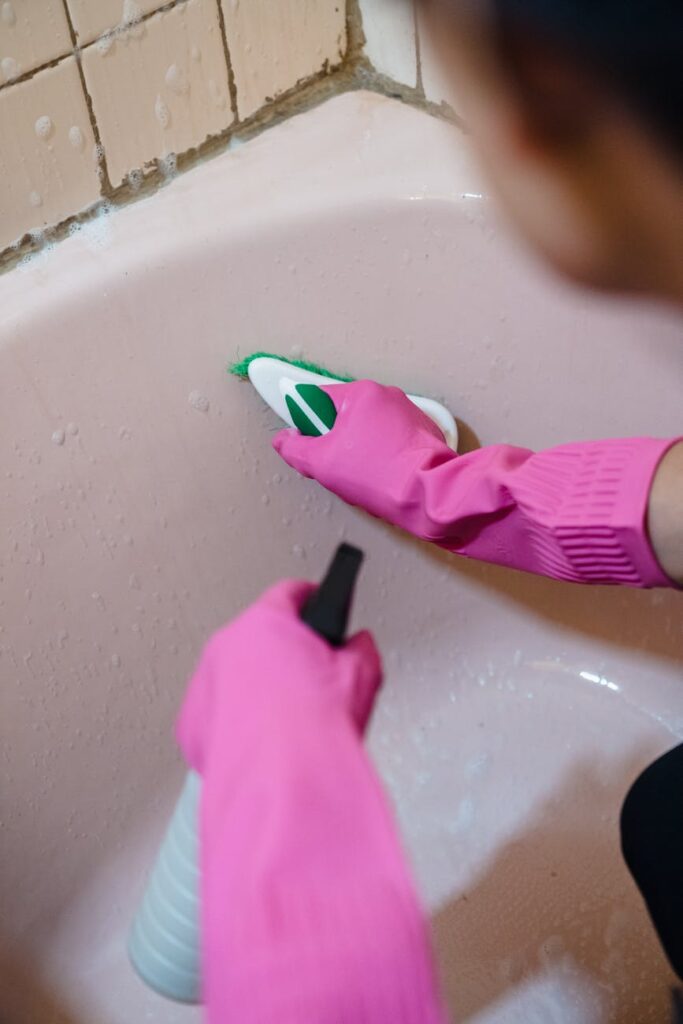
Step 5: Scrub the Stains
Using a soft scrub brush or sponge, gently scrub the stained area. Be careful not to damage the surface underneath.
Step 6: Rinse and Dry
Wipe the area with an old cloth or paper towel to remove the solution and any mold residues. Make sure to dry the area completely to prevent future mold growth.
Step 7: Dispose of Contaminated Materials
Dispose of any cloths or sponges used during the cleaning process to prevent spreading mold spores.
Best Cleaning Methods
1. Vinegar Solution
Vinegar is a natural mold killer. Its acidity helps break down the structure of mold, making it easier to clean.
2. Hydrogen Peroxide
Hydrogen peroxide is effective for tougher stains and can penetrate deeper into porous surfaces. It also has antifungal properties.
3. Baking Soda
Baking soda can be mixed with water to form a paste. This is excellent for scrubbing stubborn stains and deodorizing the area.
4. Commercial Mold Removers
For severe mold issues, consider using a commercial mold removal product. Make sure to follow the manufacturer’s instructions carefully.
Common Mistakes to Avoid
Prevention Tips
Frequently Asked Questions
1. Can I use bleach to remove mold stains?
It’s not recommended. While bleach can kill mold on non-porous surfaces, it does not penetrate deeper layers, allowing mold to regrow.
2. How do I know if I have a mold problem?
Signs include visible stains, a musty odor, or increased allergy symptoms when in the kitchen.
3. Are mold stains harmful?
While mold stains themselves are unsightly, they can indicate a larger mold problem that may affect your health.
4. How often should I clean for mold in the kitchen?
Regular cleaning once a week, along with monthly deep cleans, can help prevent mold growth.
5. Is it necessary to replace surfaces affected by mold?
If surfaces are severely damaged or if mold persists after cleaning, replacement may be necessary.
6. What should I do if mold keeps coming back?
If mold continues to return, investigate any underlying moisture issues or consult a professional for further assessment.
By following this guide, you can effectively tackle kitchen mold stains and keep your space clean and healthy. Remember, prevention is key in keeping mold at bay, so stay vigilant and proactive.