
Kitchen Mold Removal Odours Guide Part 2
Introduction
Mold in the kitchen is not just unsightly; it often brings unpleasant odours that linger long after the mold has been removed. In this guide, we’ll explore the sources of these odours, how to eliminate them effectively, and ways to prevent them from returning. If you’re tired of musty smells ruining your kitchen experience, this guide is for you.
What Causes Odours?
Odours in the kitchen often stem from mold and mildew growth, usually due to moisture. Mold releases volatile organic compounds (VOCs) and other unpleasant gases as it thrives. These compounds can create a foul smell that can permeate through your kitchen, making it an uncomfortable space.
Key causes include:
- High Humidity: Excess moisture provides an ideal environment for mold growth.
- Food Waste: Leftover food can decompose and contribute to foul smells.
- Poor Ventilation: Lack of airflow can trap moisture and exacerbate mold growth.
- Leaky Pipes: Hidden leaks can create damp spots that are ripe for mold.
- Cooking: Boiling, frying, or baking can release steam, increasing humidity.
- Cleaning Products: Some products can interact with mold, producing unpleasant smells.
- Neglect: Regular cleaning and maintenance are essential; neglect leads to build-up.
- White vinegar
- Baking soda
- Spray bottle
- Scrub brush or sponge
- Cloths for drying
- Rubber gloves and a mask for protection
- Ignoring Hidden Areas: Mold can hide behind appliances. Always check these spots.
- Not Drying Surfaces: Failing to dry surfaces after cleaning can lead to mold returning.
- Overusing Cleaning Products: Excessive use can lead to chemical build-up and increased odours.
- Neglecting Regular Maintenance: Regularly scheduled cleaning can prevent mold from becoming a problem.
- Control Humidity: Keep humidity levels below 60% with a dehumidifier or air conditioning.
- Regular Cleaning: Clean surfaces regularly, especially after cooking.
- Fix Leaks Promptly: Address any plumbing issues quickly to prevent water accumulation.
- Use Ventilation: Always use exhaust fans when cooking to reduce moisture build-up.
Why This Problem Happens
Understanding why kitchen odours occur is crucial for effective remediation. Mold spores thrive in damp conditions, and kitchens often have a combination of moisture and organic materials that serve as food for mold.
How to Fix Odours (Step-by-Step)
Step 1: Identify the Source
Begin by pinpointing the areas where mold is present. Look under sinks, behind appliances, and any damp spots on walls or ceilings.
Step 2: Gather Supplies
You will need:
Step 3: Remove Visible Mold
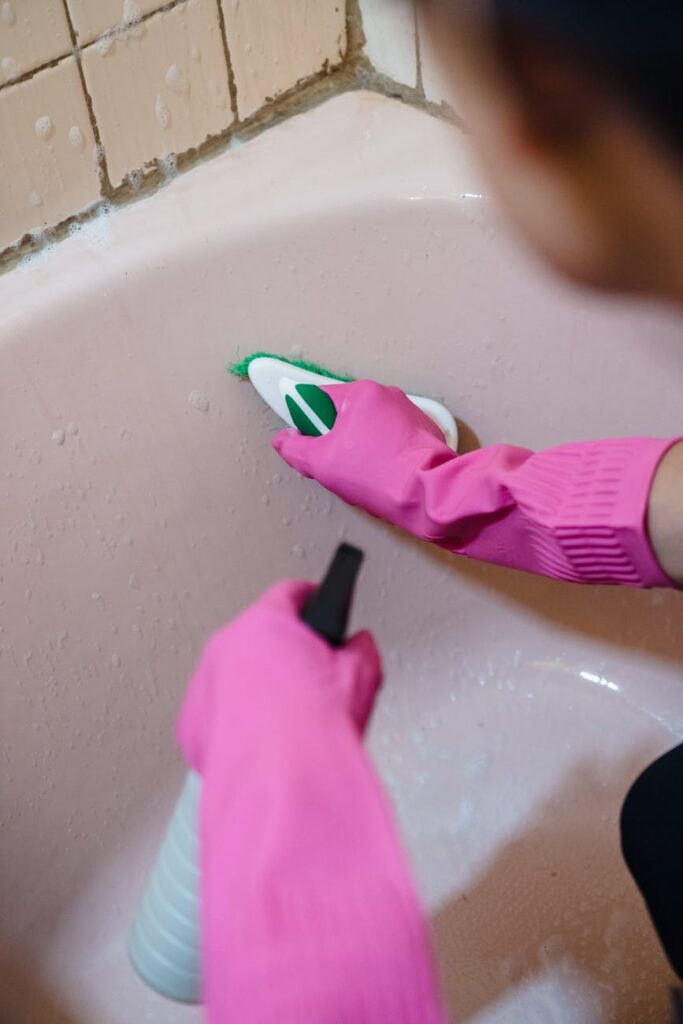
1. Mix a Solution: Combine equal parts of white vinegar and water in a spray bottle.
2. Spray Affected Areas: Generously spray the moldy area and let it sit for at least 30 minutes.
3. Scrub Away: Use a scrub brush or sponge to remove the mold. Ensure you scrub thoroughly to remove all traces.
4. Rinse and Dry: Wipe the area with a damp cloth and dry it well to prevent further growth.
Step 4: Neutralize Odours
1. Baking Soda Application: Sprinkle baking soda on surfaces where odours persist. Let it sit for several hours—preferably overnight.
2. Vacuum Up: After letting it sit, vacuum up the baking soda.
Step 5: Improve Ventilation
Ensure your kitchen is well-ventilated. Open windows, use exhaust fans, and consider a dehumidifier if humidity is a recurring issue.
Best Cleaning Methods
Vinegar
Vinegar is a natural deodorizer and can effectively kill mold spores.
Baking Soda
Baking soda not only absorbs odours but also acts as a gentle abrasive for scrubbing.
Hydrogen Peroxide
For tougher mold stains, a 3% hydrogen peroxide solution can be effective. Spray it on, let it sit for 10 minutes, and then wipe clean.
Essential Oils
Some essential oils, like tea tree or lavender, can also help mask odours and have antifungal properties. Add a few drops to your cleaning solution for added benefits.
Common Mistakes to Avoid
Prevention Tips
Frequently Asked Questions
1. How can I tell if I have mold in my kitchen?
Look for discolored spots, a musty smell, or excessive moisture in areas like under the sink or behind appliances.
2. Can I use bleach to remove mold?
While bleach can kill mold on non-porous surfaces, it’s not effective on porous materials. It can also release harmful fumes.
3. How do I remove odours from my fridge?
Empty the fridge, clean with vinegar, and place an open box of baking soda inside to absorb odours.
4. Are there any natural alternatives to commercial cleaning products?
Yes, vinegar, baking soda, and essential oils are effective natural alternatives.
5. How often should I clean my kitchen to prevent mold?
Aim for a thorough cleaning at least once a week, with spot cleaning as needed.
6. What should I do if the mold returns despite my efforts?
If mold continues to return, consider consulting a professional mold remediation service. There may be underlying issues that need to be addressed.
By following these steps and tips, you can effectively tackle kitchen mold and its accompanying odours, creating a healthier and more pleasant cooking environment.