
Kitchen Mold Removal Odours Guide Part 1
Introduction
Kitchen mold is not just an eyesore; it can also produce unpleasant odours that linger and make your cooking space uncomfortable. Understanding the source of these odours and how to effectively eliminate them is crucial for maintaining a clean and healthy home. In this guide, we’ll explore the causes of kitchen odours related to mold, provide actionable steps for removal, and offer tips for prevention.
What Causes Odours?
Odours in the kitchen often arise from mold growth, which thrives in damp, warm environments. Common causes of mold-related odours include:
- Food Residue: Leftover food particles can foster mold growth and produce bad smells.
- High Humidity: Kitchens with poor ventilation can trap moisture, creating an ideal breeding ground for mold.
- Leaks: Water leaks from pipes or appliances can lead to mold growth behind walls or under cabinets.
- Old Sponges and Cloths: Frequently used cleaning tools can retain moisture and become moldy.
- Accumulation of Moisture: Cooking and dishwashing introduce excess moisture, which can linger if not properly ventilated.
- Neglected Areas: Spaces like under sinks and behind appliances are often overlooked, providing a perfect environment for mold.
- Improper Storage: Storing food improperly can lead to spills and attract pests, which can also contribute to odours.
- Under sinks
- Behind appliances
- Inside cabinets
- On walls and ceilings
- White vinegar
- Baking soda
- Mild detergent
- Spray bottle
- Scrub brush
- Cloths or sponges
- Gloves and a mask (for safety)
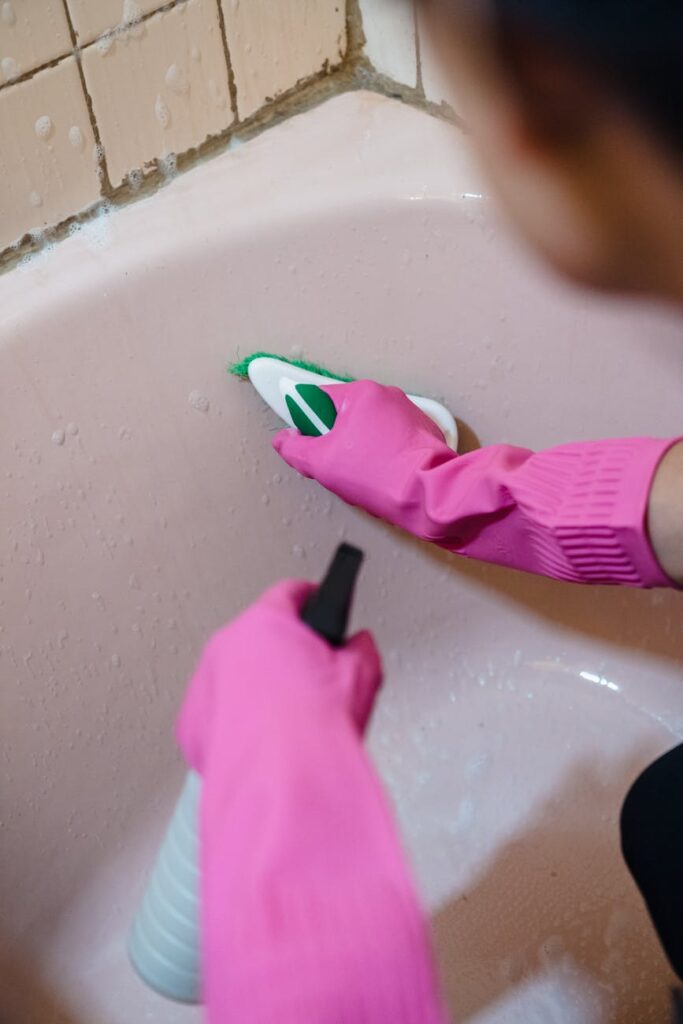
- Mix equal parts of water and white vinegar in a spray bottle.
- Spray the affected areas and let it sit for 10-15 minutes.
- Scrub with a brush and wipe clean with a damp cloth.
- Use a mild detergent mixed with warm water to clean countertops, appliances, and any other surfaces where food might have spilled.
- Sprinkle baking soda on surfaces where you’ve cleaned. Let it sit for a few hours, then vacuum or wipe it away. Baking soda neutralises odours effectively.
- Regular Cleaning: Clean surfaces regularly to prevent food residue from accumulating.
- Control Humidity: Use a dehumidifier if your kitchen is prone to moisture.
- Proper Food Storage: Store food in airtight containers to prevent spills and mold growth.
- Check for Leaks: Regularly inspect your plumbing to catch any leaks early.
- Use Exhaust Fans: Always use exhaust fans while cooking to reduce humidity.
Why This Problem Happens
The kitchen is a hub of activity, making it susceptible to spills, humidity, and food waste. When not cleaned properly, these factors can lead to:
How to Fix Odours (Step-by-Step)
Removing odours caused by kitchen mold requires a systematic approach. Follow these steps for effective results:
Step 1: Identify the Source
Start by inspecting your kitchen for signs of mold. Check:
Step 2: Gather Your Supplies
Prepare a cleaning kit that includes:
Step 3: Clean Affected Surfaces
1. Remove Visible Mold:
2. Address Food Residue:
3. Deodorise:
Step 4: Improve Ventilation
Ensure your kitchen is well-ventilated. Open windows and use exhaust fans while cooking. This will help reduce humidity levels and prevent mold growth.
Step 5: Check for Leaks
Inspect pipes and appliances for leaks. If you find any, repair them promptly to eliminate the moisture source.
Best Cleaning Methods
Different cleaning methods can help tackle kitchen mold odours effectively:
1. Vinegar Solution: A natural disinfectant that can kill mold spores and neutralise odours.
2. Baking Soda: Absorbs moisture and odours, making it a great option for deodorising.
3. Essential Oils: Oils like tea tree or lavender have natural antifungal properties. Add a few drops to a cleaning solution for added benefits.
4. Hydrogen Peroxide: A powerful disinfectant. Mix it with water in a spray bottle to tackle stubborn mold.
Common Mistakes to Avoid
1. Ignoring Hidden Areas: Mold can grow in places you can’t easily see. Regularly check under sinks and behind appliances.
2. Using Only Water: Water alone won’t kill mold. Always use a cleaning solution to ensure effectiveness.
3. Neglecting to Ventilate: Failing to ventilate your kitchen can lead to recurring moisture and smells. Always use fans or open windows.
4. Not Using Protective Gear: Mold can be harmful. Always wear gloves and a mask when cleaning to protect yourself.
Prevention Tips
Keeping your kitchen odour-free involves ongoing maintenance. Here are some tips to help you:
Frequently Asked Questions
1. How do I know if the odour is from mold or something else?
Check for visible signs of mold, such as discoloration or spots on surfaces. If the smell is musty or earthy, it’s likely mold-related.
2. Can I use bleach to clean mold?
While bleach can kill mold on non-porous surfaces, it may not be effective on porous materials. Alternatives like vinegar or hydrogen peroxide are often more suitable.
3. How often should I clean my kitchen to prevent mold?
Aim for a thorough cleaning at least once a week, with spot cleaning as needed.
4. What should I do if the odour persists after cleaning?
If the smell continues, it may indicate hidden mold. Consider hiring a professional to inspect your kitchen for underlying issues.
5. Can essential oils help with kitchen odours?
Yes, certain essential oils have antifungal properties and can help mask unwanted smells when added to cleaning solutions.
6. Is it safe to clean mold myself?
For small areas, cleaning yourself is usually fine. However, if the mold covers a large area (more than 10 square feet), it’s best to seek professional help.
By following these guidelines, you can effectively address and eliminate kitchen mold odours while preventing them from returning. Keep your kitchen fresh, clean, and a welcoming space for cooking and gathering.