
Kitchen Mold Removal: Mould & Damp Guide Part 2
Introduction
Mould and dampness in the kitchen are common problems that can lead to unsightly stains, unpleasant odors, and potential damage to your home. Understanding how to identify, address, and prevent these issues is crucial for maintaining a healthy living space. This guide will provide practical steps to tackle mould and damp in your kitchen effectively.
What Causes Mould & Damp?
Mould thrives in damp environments where moisture is present. In the kitchen, several factors can contribute to mould growth:
- High Humidity: Cooking, boiling water, and washing dishes can increase humidity levels.
- Poor Ventilation: Lack of airflow allows moisture to linger.
- Leaks and Water Damage: Leaky pipes or appliances can create damp spots.
- Condensation: Cold surfaces can cause moisture to condense and pool.
- Leaky pipes: Inspect under the sink and around appliances.
- Condensation: Look for water droplets on windows and walls.
- High humidity: Use a hygrometer to measure humidity levels.
- Protective gloves and mask
- Spray bottle
- Scrub brush or sponge
- Cleaning solution (vinegar, baking soda, or commercial mould cleaner)
- Cloth or rags
- Bucket of warm water
- Mix equal parts of water and white vinegar in a spray bottle.
- Spray directly onto the mould and let it sit for at least an hour before wiping clean.
- Combine baking soda with a small amount of water to create a paste.
- Apply the paste to the mouldy area and scrub after it has dried.
- If natural methods are not effective, consider using a commercial mould cleaner. Always follow the instructions on the label for best results.
Understanding these causes is the first step in effectively combating mould and damp.
Why This Problem Happens
The kitchen is often the heart of the home, where heat and moisture are prevalent. The combination of cooking activities and inadequate ventilation creates an ideal environment for mould to flourish. Additionally, if your kitchen has cracks in walls or ceilings, or if the insulation is insufficient, moisture can accumulate, leading to dampness and mould.
How to Fix Mould & Damp (Step-by-Step)
Step 1: Identify the Source of Moisture
Before you can effectively remove mould, identify and address the source of moisture. Check for:
Step 2: Gather Cleaning Supplies
For effective mould removal, you will need:
Step 3: Remove Mould
1. Prepare the Area: Ensure good ventilation by opening windows and using fans. Remove any items from the affected area.
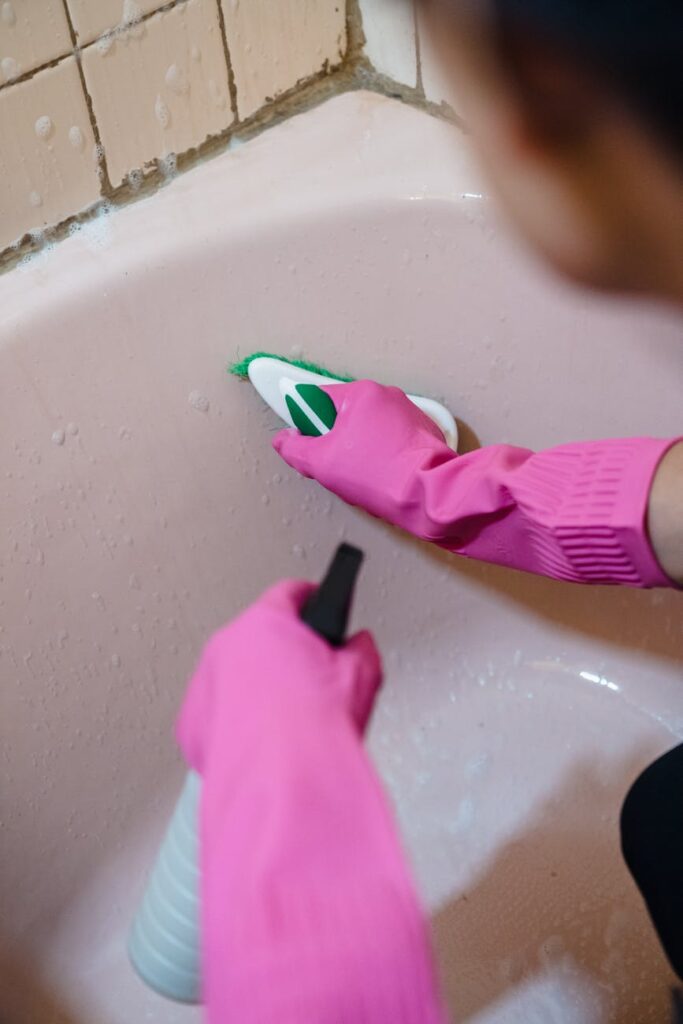
2. Apply Cleaning Solution: Use a spray bottle to apply your chosen cleaning solution directly onto the mouldy surface. Allow it to sit for 10-15 minutes to penetrate.
3. Scrub the Area: Using a scrub brush or sponge, scrub the surface vigorously. This will help lift the mould from the surface.
4. Rinse and Dry: Wipe the area with a damp cloth to remove any residue. Follow up with a dry cloth to ensure the surface is completely dry.
Step 4: Dispose of Contaminated Materials
If any materials, such as sponges or rags, are heavily contaminated with mould, dispose of them in a sealed bag to prevent spreading spores.
Best Cleaning Methods
Vinegar Solution
Baking Soda Paste
Commercial Cleaners
Common Mistakes to Avoid
1. Ignoring the Source: Removing mould without addressing the moisture source will only lead to regrowth.
2. Using Bleach: While bleach can kill mould on non-porous surfaces, it can also promote further growth on porous materials like wood and drywall.
3. Incomplete Drying: Failing to thoroughly dry the area after cleaning can lead to recurring dampness.
4. Neglecting Ventilation: After cleaning, ensure the area remains well-ventilated to prevent dampness.
Prevention Tips
1. Improve Ventilation: Use exhaust fans while cooking and open windows regularly to maintain airflow.
2. Control Humidity: Keep humidity levels below 60% by using dehumidifiers if necessary.
3. Regular Inspections: Check for leaks and signs of dampness regularly, especially in areas prone to moisture.
4. Seal Cracks: Use caulk or weather stripping to seal any cracks that may allow moisture to enter.
5. Use Mould-Resistant Products: Consider using mould-resistant paints or materials in your kitchen.
Frequently Asked Questions
1. How do I know if I have a mould problem?
Signs of mould include visible growth on surfaces, a musty smell, or moisture in the air. If you notice these signs, it’s essential to act quickly.
2. Is it safe to remove mould myself?
Yes, as long as you take precautions such as wearing gloves and a mask. If the area is extensive or if you have health concerns, consider hiring a professional.
3. Can mould grow behind walls?
Yes, mould can grow in hidden spaces behind walls if there is a moisture problem. Regular inspections can help catch this early.
4. How can I prevent mould from coming back?
Ensure good ventilation, control humidity levels, and address any leaks or dampness promptly to prevent mould regrowth.
5. What should I do if my kitchen has persistent dampness?
If persistent dampness occurs, check for leaks, improve ventilation, and consider consulting a professional for a more in-depth inspection.
6. Can I paint over mould?
It’s not advisable to paint over mould. It’s essential to clean and remove mould first; otherwise, it may continue to grow under the paint.
Conclusion
Removing mould and damp from your kitchen is achievable with the right approach. By identifying the causes, following specific cleaning steps, and implementing prevention strategies, you can maintain a clean and healthy kitchen environment. Regularly monitor your kitchen for signs of dampness and mould to catch issues early, ensuring your space remains safe and welcoming for you and your family.