
Kitchen Mold Removal: Mould & Damp Guide Part 1
Introduction
Mould and dampness in the kitchen can be more than just an eyesore; they can lead to unpleasant odors and even structural damage if left unchecked. This guide aims to help homeowners tackle these common issues effectively. We’ll explore the causes, solutions, and preventative measures to ensure your kitchen remains a clean and safe space.
What Causes Mould & Damp?
Mould thrives in moist environments, making the kitchen a prime target. The most common causes include:
1. High Humidity: Cooking and dishwashing can lead to increased humidity levels.
2. Poor Ventilation: Lack of airflow allows moisture to accumulate.
3. Water Leaks: Undetected leaks from sinks, pipes, or appliances can create damp spots.
4. Condensation: Cold surfaces can attract moisture, especially in winter.
5. Food Residues: Spills or crumbs left unattended can contribute to mould growth.
Understanding these causes is the first step toward effective mould and damp removal.
Why This Problem Happens
Mould and damp occur when moisture levels exceed what a space can handle. In the kitchen, this is often due to a combination of the factors mentioned earlier. Here are some underlying reasons why these problems persist:
- Inadequate Cleaning: Regular cleaning prevents mould but can easily be overlooked.
- Insufficient Insulation: Poorly insulated walls and ceilings can lead to condensation.
- Temperature Fluctuations: Sudden changes in temperature can cause moisture to form.
- Cluttered Spaces: Items like dish towels and sponges can trap moisture, creating a breeding ground for mould.
- Protective gloves
- A mask (to avoid inhaling spores)
- Scrub brushes or sponges
- A bucket
- Water
- White vinegar or a commercial mould remover
- Baking soda (optional)
- Spray bottle
- Repair Leaks: Check all plumbing for leaks and fix them promptly.
- Improve Ventilation: Use exhaust fans during cooking and open windows when possible.
- Insulate: Ensure your kitchen is adequately insulated to prevent condensation.
- Ventilate: Use exhaust fans and open windows when cooking.
- Regulate Humidity: Aim for indoor humidity levels between 30-50%.
- Clean Regularly: Wipe down surfaces and clean spills immediately.
- Store Food Properly: Keep food in sealed containers to prevent spills and pest attraction.
- Check for Leaks: Regularly inspect plumbing and appliances for leaks.
By addressing these issues, you can significantly reduce the likelihood of mould growth.
How to Fix Mould & Damp (Step-by-Step)
Step 1: Identify Affected Areas
Start by inspecting your kitchen. Look behind appliances, under sinks, and in corners where moisture tends to accumulate. Check for visible signs of mould, such as black spots or discoloration.
Step 2: Gather Cleaning Supplies
You will need:
Step 3: Prepare the Cleaning Solution
For a natural solution, mix equal parts of water and white vinegar in a spray bottle. If using a commercial product, follow the manufacturer’s instructions.
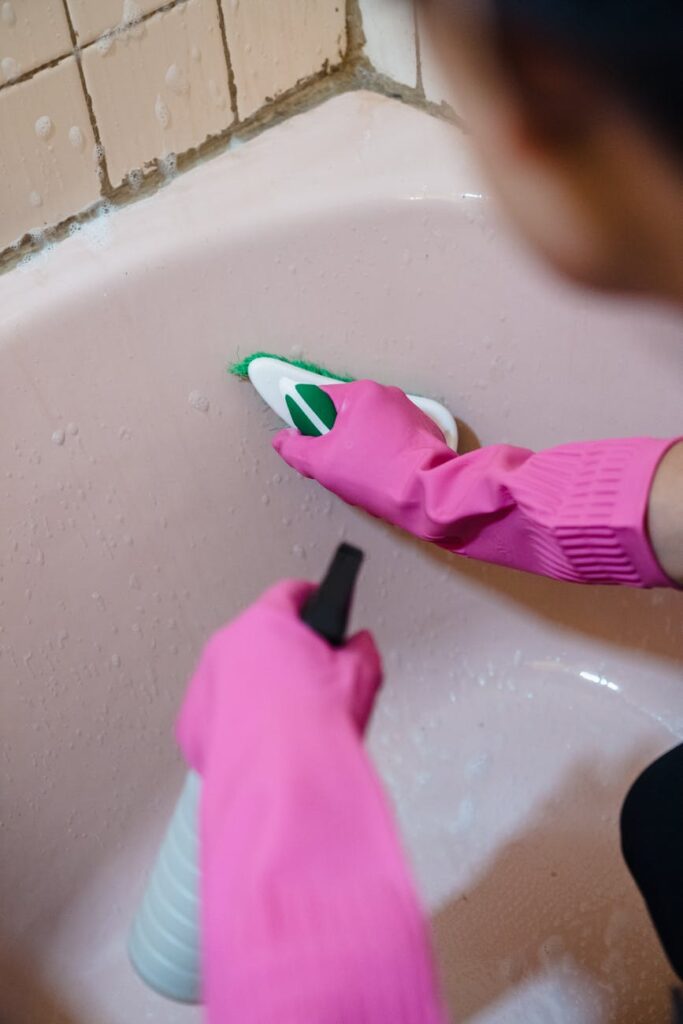
Step 4: Scrub the Affected Areas
Spray the solution generously on the mouldy surfaces. Allow it to sit for about 10-15 minutes to penetrate the mould. Scrub with a brush or sponge, focusing on areas with heavy growth. Rinse with water and dry thoroughly.
Step 5: Address Underlying Issues
Once cleaned, fix any issues that may have caused the mould:
Step 6: Monitor the Area
Keep an eye on the cleaned areas for any signs of recurring mould. If it returns, reassess your cleaning and preventative measures.
Best Cleaning Methods
Vinegar Solution
White vinegar is a natural, effective mould remover. Its acidity helps kill mould spores without harmful chemicals.
Baking Soda
Baking soda can be used as a gentle scrub for stubborn mould. Mix it with water to form a paste, apply it to the mouldy area, scrub, and rinse.
Commercial Cleaners
If natural solutions don’t work, consider a commercial mould cleaner. Look for products specifically designed for kitchen use, ensuring they are safe for the surfaces in your kitchen.
Common Mistakes to Avoid
1. Ignoring Small Spots: Even minor mould spots can grow quickly if overlooked.
2. Using Bleach: While bleach can kill mould on non-porous surfaces, it doesn’t prevent regrowth and can be harmful in poorly ventilated areas.
3. Neglecting Ventilation: Failing to ventilate the kitchen while cooking can exacerbate dampness.
4. Not Wearing Protective Gear: Always wear gloves and a mask to protect yourself from mould spores.
5. Rushing the Cleaning Process: Allow cleaning solutions to sit for the recommended time to maximize effectiveness.
Prevention Tips
To keep your kitchen mould-free:
Frequently Asked Questions
1. How can I tell if I have mould in my kitchen?
Look for visible signs like black or green spots on walls, ceilings, or around appliances. Musty odors can also indicate mould presence.
2. Is vinegar effective against all types of mould?
Vinegar is effective against many types of household mould. However, some stubborn varieties may require commercial mould removers.
3. Can I paint over mouldy surfaces?
No, painting over mould will not solve the problem and can lead to further issues. Always clean and treat mould before painting.
4. How often should I clean my kitchen to prevent mould?
Regular cleaning is essential. Aim for a thorough clean at least once a month, with spot checks weekly.
5. What if the mould keeps coming back?
If mould returns frequently, reassess your kitchen’s ventilation and humidity levels. Consider consulting a professional if the problem persists.
6. Can I remove mould myself, or should I hire a professional?
For small areas, DIY cleaning is often sufficient. However, for extensive mould issues or if it’s affecting structural integrity, hiring a professional may be necessary.
By following this guide, you can effectively tackle mould and dampness in your kitchen, ensuring a clean and healthy cooking environment. Stay vigilant, and your kitchen will be a mould-free haven!