
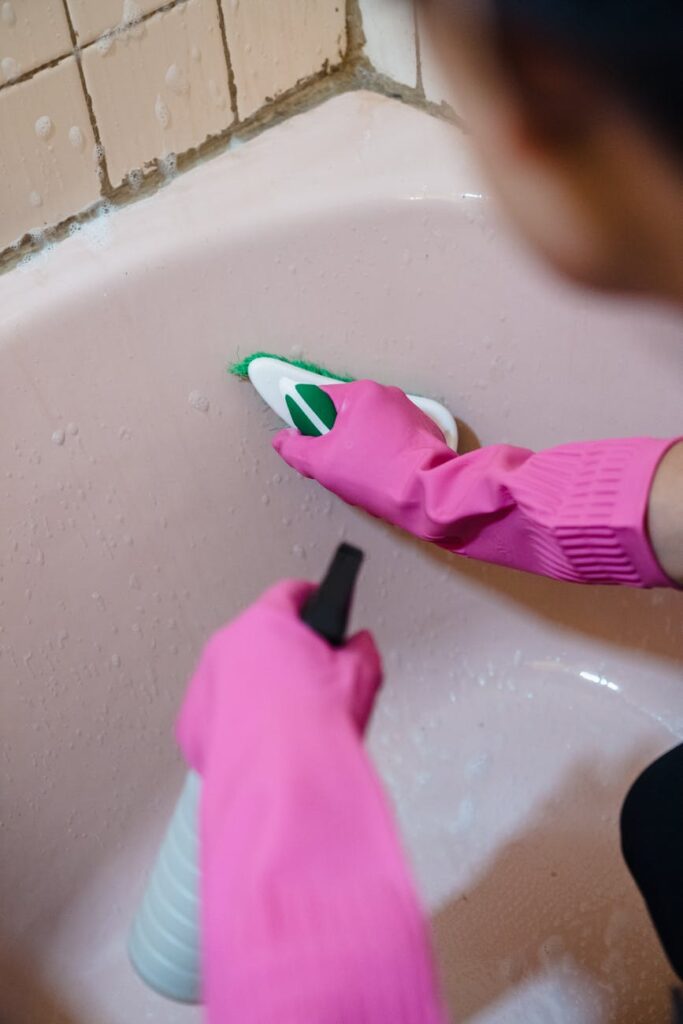
Kitchen Mold Removal: Kitchen Guide Part 2
Introduction
Mold in the kitchen can be a persistent problem, creating not only an unsightly mess but also potential health risks. Addressing mold quickly and effectively is crucial to maintaining a clean and safe environment. In this guide, we will delve into the causes of kitchen mold, effective removal strategies, and prevention tips to help keep your kitchen mold-free.
What Causes Kitchen Mold?
Understanding the causes of kitchen mold is the first step in tackling the issue effectively. Mold thrives in damp, warm environments, and kitchens often provide ideal conditions. Here are some common culprits:
- High Humidity: Cooking and dishwashing can increase moisture levels.
- Leaks: Leaky pipes or appliances can create damp areas.
- Poor Ventilation: A lack of airflow can trap humidity.
- Food Spills: Leftover food and spills can provide a food source for mold.
- Condensation: Cold surfaces can lead to moisture build-up.
- Protective gear (gloves, mask, goggles)
- Scrub brushes or sponges
- Spray bottle
- White vinegar or hydrogen peroxide
- Baking soda
- Water
- Towels or rags
- Under the sink
- Around appliances (fridge, dishwasher)
- Behind cabinets
- On walls and ceilings
- Ventilate: Open windows and turn on fans to improve airflow.
- Seal Off: Close doors to other rooms to contain mold spores.
- Vinegar Method: Fill a spray bottle with white vinegar and spray it directly onto the mold. Allow it to sit for at least an hour.
- Hydrogen Peroxide Method: Use a 3% hydrogen peroxide solution in a spray bottle. Spray it on the affected areas and let it sit for 10 minutes.
- Baking Soda Paste: Mix baking soda with water to form a paste. Apply it to stubborn mold spots and scrub gently.
- Use a vinegar or hydrogen peroxide solution. Ensure proper ventilation during cleaning.
- A mixture of baking soda and water can effectively clean mold from tile surfaces. Scrub and rinse thoroughly.
- Use a damp cloth with vinegar to avoid excess moisture. Wipe dry immediately.
- Clean the exterior and seals of appliances with a vinegar solution to prevent mold growth.
- Improve Ventilation: Use exhaust fans while cooking and open windows when possible.
- Control Humidity: Keep humidity levels below 50% using dehumidifiers or air conditioning.
- Regular Cleaning: Clean spills and food debris immediately to reduce food sources for mold.
- Seal Leaks Promptly: Fix any plumbing issues quickly to avoid moisture buildup.
- Store Food Properly: Keep food in airtight containers to minimize spills and exposure.
Why This Problem Happens
Mold spores are everywhere in the environment. When conditions are right—primarily warmth, moisture, and organic material—these spores can settle and begin to grow. In kitchens, the combination of heat from cooking, moisture from washing, and organic materials from food makes it a prime area for mold development.
Ignoring mold can lead to structural damage and potential health issues, making it essential to address the problem as soon as it arises.
How to Fix Kitchen Mold (Step-by-Step)
Removing mold from your kitchen requires a systematic approach. Follow these steps to effectively eliminate mold from various surfaces:
Step 1: Gather Supplies
You’ll need the following materials:
Step 2: Identify Affected Areas
Inspect your kitchen thoroughly. Common areas include:
Step 3: Prepare the Area
Step 4: Apply Cleaning Solution
Step 5: Scrub and Rinse
Using a scrub brush or sponge, gently scrub the affected areas until the mold is removed. Rinse the area with water and wipe it dry with towels.
Step 6: Dispose of Contaminated Materials
If any porous materials (like sponges or towels) are heavily infested with mold, discard them properly.
Step 7: Dry the Area
Ensure the cleaned area is completely dry to prevent mold from returning. Use fans or dehumidifiers if necessary.
Best Cleaning Methods
Different surfaces require different cleaning methods. Here are the best practices for various kitchen materials:
For Walls and Ceilings
For Tiles and Grout
For Wood
For Appliances
Common Mistakes to Avoid
1. Ignoring the Source of Moisture: Always address leaks or humidity issues.
2. Using Bleach: While bleach can kill mold, it doesn’t prevent regrowth and can be harmful to some surfaces.
3. Not Wearing Protective Gear: Protect yourself from mold spores by wearing gloves, masks, and goggles.
4. Overlooking Ventilation: Failing to ventilate the area can lead to further mold growth.
5. Neglecting to Dry Surfaces: Leaving areas damp after cleaning can invite mold back.
Prevention Tips
To avoid future mold issues in your kitchen, consider these preventive measures:
Frequently Asked Questions
1. How can I tell if I have mold in my kitchen?
Look for visible signs, such as dark spots or a musty smell. You can also check under sinks and around appliances.
2. Is mold in the kitchen dangerous?
While not all mold is harmful, certain types can produce allergens and irritants. It’s best to remove mold promptly.
3. Can I use bleach to clean mold?
Bleach can kill mold but doesn’t prevent regrowth. It’s often more effective to use vinegar or hydrogen peroxide.
4. How often should I clean for mold prevention?
Regularly clean your kitchen, focusing on high-moisture areas, at least once a month.
5. What should I do if mold keeps returning?
If mold keeps returning, investigate and fix the source of moisture, such as plumbing leaks or inadequate ventilation.
6. Can I remove mold stains from surfaces?
While mold stains can be difficult to remove completely, using a baking soda paste or vinegar solution can help lighten or eliminate them.
By following these guidelines, you can effectively tackle kitchen mold issues and keep your space clean and healthy. Regular maintenance and vigilance are key to preventing mold from becoming a recurring problem in your kitchen.