
Kitchen Mold Removal Guide Part 1
Introduction
Mold in the kitchen is not just an eyesore; it can also pose health risks and damage your home. Understanding how to remove mold effectively and prevent its recurrence is essential for maintaining a clean and healthy cooking environment. This guide will provide you with practical steps to tackle kitchen mold and keep it at bay.
What Causes Kitchen Mold?
Mold thrives in damp, warm conditions. In the kitchen, common sources of moisture include:
- Leaky Pipes: Water from plumbing issues can create an ideal breeding ground for mold.
- Poor Ventilation: Kitchens generate steam from cooking, which can lead to increased humidity levels.
- Condensation: Hot air meeting cold surfaces can create moisture buildup.
- Food Spills: Leftover food and spills can contribute to mold growth if not cleaned promptly.
- Humidity Levels: High humidity can lead to moisture accumulation.
- Temperature Fluctuations: Warm temperatures encourage mold spores to grow.
- Neglected Spaces: Areas like behind appliances or under sinks are often overlooked.
- Organic Material: Mold feeds on organic materials, such as food particles and grease, making the kitchen particularly susceptible.
- Under the sink
- Around the refrigerator
- Behind the stove
- Inside cabinets
- Gloves
- Mask
- Eye protection
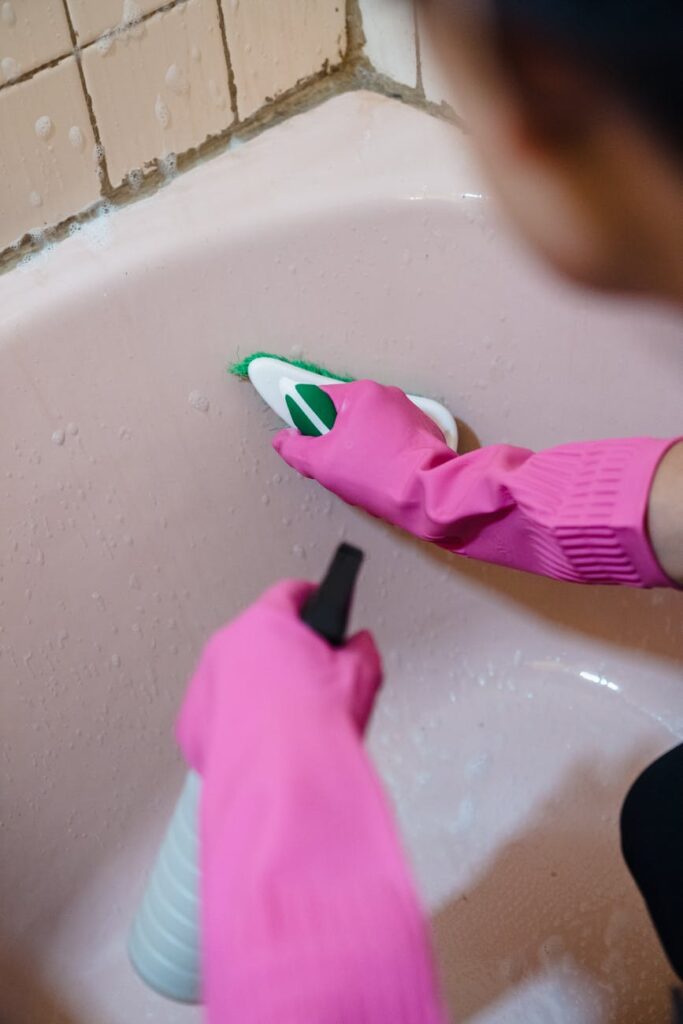
- Spray bottle
- Cleaning solution (vinegar, baking soda, or a commercial mold remover)
- Scrub brush or sponge
- Cloth for drying
- Use a solution of equal parts vinegar and water or a mixture of baking soda and water.
- Spray the affected area generously and allow it to sit for 10-15 minutes.
- Consider using a commercial mold remover, following the product instructions closely.
- Control Humidity: Use dehumidifiers to keep humidity levels below 60%.
- Improve Ventilation: Install exhaust fans and keep windows open when cooking.
- Regular Cleaning: Clean spills immediately and conduct regular inspections of potential problem areas.
- Seal Leaks: Fix plumbing leaks and seal gaps around windows and doors to prevent moisture entry.
- Insulate Pipes: Insulating pipes can help reduce condensation.
Why This Problem Happens
Kitchen mold can develop quickly if conditions are right. Factors contributing to mold growth include:
How to Fix Kitchen Mold (Step-by-Step)
Step 1: Identify the Mold
Before you can effectively remove mold, you need to locate it. Check areas prone to moisture, such as:
Step 2: Gather Your Supplies
You’ll need:
Step 3: Ventilate the Area
Open windows and turn on exhaust fans to ensure proper airflow. This helps reduce humidity and prevents mold spores from spreading.
Step 4: Apply Cleaning Solution
For mild mold:
For heavy mold:
Step 5: Scrub the Area
Using a scrub brush or sponge, scrub the moldy area thoroughly. Ensure you get into crevices and corners where mold can hide.
Step 6: Rinse and Dry
Wipe the area with a damp cloth to remove any residue. Dry the surface completely to prevent future mold growth.
Step 7: Dispose of Contaminated Materials
If the mold has penetrated porous materials (like drywall), you may need to remove and replace those items.
Best Cleaning Methods
Vinegar
Vinegar is a natural mold killer. Its acidity can effectively kill most types of mold. Spray undiluted vinegar on the affected area, let it sit for an hour, and wipe clean.
Baking Soda
Baking soda not only cleans but also deodorizes. Mix it with water to form a paste, apply it to the mold, scrub, and then rinse.
Hydrogen Peroxide
A 3% hydrogen peroxide solution can effectively kill mold. Spray it directly onto the mold and let it sit for at least 10 minutes before scrubbing.
Commercial Mold Removers
For severe infestations, consider using commercial products specifically designed for mold removal. Always follow the manufacturer’s instructions.
Common Mistakes to Avoid
1. Ignoring Small Spots: Small patches can quickly turn into larger infestations if not addressed immediately.
2. Using Bleach: While bleach may kill surface mold, it doesn’t penetrate porous materials and can lead to regrowth.
3. Not Drying Surfaces: Failing to dry surfaces after cleaning can lead to mold returning.
4. Neglecting Ventilation: Not improving ventilation can allow humidity to persist, creating a cycle of mold growth.
5. Using Improper Protective Gear: Always use gloves, a mask, and eye protection when dealing with mold to protect yourself from spores.
Prevention Tips
Frequently Asked Questions
1. Is mold in the kitchen dangerous?
Yes, mold can pose health risks, especially for individuals with allergies or respiratory issues. It’s important to remove it promptly.
2. How can I tell if I have mold?
Look for discolored patches on walls, ceilings, and under sinks. A musty smell can also indicate mold presence.
3. Can I remove mold myself?
Yes, you can remove mold yourself using the right cleaning solutions and protective gear, especially for small areas.
4. How often should I check for mold?
Regular inspections every few months, especially in high-moisture areas, can help catch mold early.
5. What if the mold keeps coming back?
If mold continues to return, it may indicate a deeper moisture problem, such as plumbing leaks or poor ventilation. Consider consulting a professional.
6. Is vinegar effective against all types of mold?
Vinegar is effective against many types of mold, but not all. For severe infestations or specific mold types, consider using specialized mold removers.
By following this guide, you can effectively tackle kitchen mold and create a cleaner, healthier cooking space. Stay vigilant, and your kitchen will remain mold-free for years to come.