
Kitchen Mold Removal Cleaning Guide Part 2
Introduction
Mold in the kitchen isn’t just unsightly; it can pose health risks and damage your home. In this guide, we’ll dive into the causes of kitchen mold, effective removal methods, preventive strategies, and common pitfalls to avoid. By following this guide, you can keep your kitchen clean, safe, and mold-free.
What Causes Mold?
Mold thrives in damp, warm environments, making the kitchen a prime location. Here are the primary conditions that foster mold growth:
- High Humidity: Kitchens often have high humidity levels due to cooking and dishwashing.
- Water Leaks: Leaky pipes or faucets can create moist conditions ideal for mold.
- Poor Ventilation: Inadequate airflow can trap moisture, encouraging mold growth.
- Food Residue: Spilled food or liquids left unchecked can also become a breeding ground.
- Rubber gloves
- Protective eyewear
- Face mask
- Scrub brush or sponge
- Bucket
- Water
- Cleaning solution (vinegar, bleach, or commercial mold remover)
- Spray bottle
- Cloths or paper towels
- Behind appliances (refrigerators, dishwashers)
- Under the sink
- Around windows and doors
- On walls and ceilings, especially near vents
- Ventilate: Open windows and doors to allow fresh air to circulate.
- Remove Items: Take away any items stored in the affected areas to prevent contamination.
- Vinegar Method: Fill a spray bottle with undiluted white vinegar and spray the moldy area. Let it sit for at least an hour.
- Bleach Method: Mix one cup of bleach with one gallon of water. Apply to the moldy area with a sponge or cloth. Do not mix bleach with ammonia.
- Commercial Products: Follow the manufacturer’s instructions for application.
Why This Problem Happens
Understanding why mold appears is crucial for effective removal and prevention. Mold spores are everywhere in the environment, and when they find a damp surface, they can quickly multiply. The combination of heat, moisture, and organic material (like food) creates a perfect storm for mold growth. If left unchecked, mold can spread rapidly, leading to more extensive damage and potential health issues.
How to Fix Mold (Step-by-Step)
Step 1: Gather Your Supplies
Before you start, ensure you have the following:
Step 2: Identify Affected Areas
Thoroughly inspect your kitchen for mold. Common spots include:
Step 3: Prepare the Area
Step 4: Apply Cleaning Solution
Step 5: Scrub the Mold
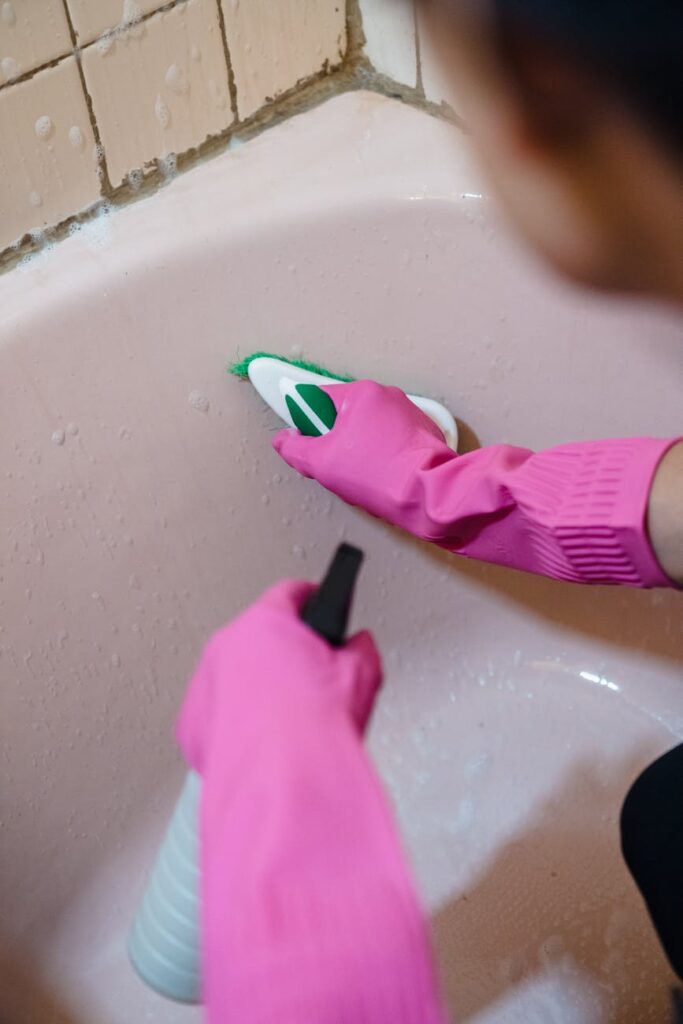
Using a scrub brush or sponge, scrub the affected area to remove the mold. Be thorough, ensuring all visible mold is removed.
Step 6: Rinse and Dry
After scrubbing, rinse the area with clean water. Wipe it down with a dry cloth to eliminate any remaining moisture.
Step 7: Dispose of Contaminated Materials
Throw away any sponges, cloths, or other materials used in the cleaning process to prevent mold spores from spreading.
Step 8: Monitor for Recurrence
Keep an eye on the cleaned area for at least a few weeks. If mold reappears, evaluate the conditions—there may be underlying issues.
Best Cleaning Methods
1. Vinegar: An effective natural mold remover that kills most types of mold. It’s safe and non-toxic.
2. Bleach: Strong and effective for removing mold on non-porous surfaces. Use with caution and proper ventilation.
3. Baking Soda: Mix with water to form a paste. It’s a gentle abrasive that can help scrub away mold without harming surfaces.
4. Hydrogen Peroxide: A 3% solution can effectively kill mold spores. Spray on affected areas and let it sit before scrubbing.
Common Mistakes to Avoid
1. Ignoring Small Spots: Even small patches can grow quickly if not addressed.
2. Using a Dry Cloth: Wiping with a dry cloth can spread mold spores. Always use a damp cloth.
3. Not Ventilating: Failing to ventilate while cleaning can lead to inhalation of mold spores.
4. Mixing Cleaners: Never mix bleach with ammonia or other chemicals, as it can create toxic fumes.
5. Skipping Prevention: Cleaning alone won’t solve the problem. Always take preventive measures.
Prevention Tips
1. Control Humidity: Use a dehumidifier or air conditioner to maintain humidity levels below 60%.
2. Ventilate: Install exhaust fans over cooking areas and ensure good airflow.
3. Fix Leaks: Repair any plumbing leaks or water damage promptly.
4. Regular Cleaning: Clean surfaces regularly to remove food particles and moisture.
5. Seal Surfaces: Consider using mold-resistant paints or sealants in high-moisture areas.
Frequently Asked Questions
1. Can I remove mold with just vinegar?
Yes, vinegar is effective for removing most types of mold. Spray it directly on the mold and let it sit before scrubbing.
2. How do I know if the mold is dangerous?
While not all mold is harmful, some types can cause health issues. If you see black mold or have persistent health issues, consult a professional.
3. Is bleach the best solution for mold removal?
Bleach is effective on non-porous surfaces but may not penetrate porous materials like drywall. It’s best used in combination with other methods.
4. How often should I check for mold in my kitchen?
Inspect your kitchen for mold every few months, especially after periods of high humidity or following water leaks.
5. Can I prevent mold without using chemicals?
Yes, you can prevent mold using natural methods like vinegar, baking soda, and good ventilation practices.
6. What should I do if mold returns?
If mold returns, check for underlying issues like leaks or humidity problems. You may also want to consult a professional mold remediation service.
By following this guide, you can effectively tackle kitchen mold and keep your home safe and clean. Stay proactive, and your kitchen will remain a healthy space for you and your family.