
Kitchen Mold Removal Bathroom Guide Part 2
Introduction
Mold in the bathroom is a common issue, particularly in homes with poor ventilation. Bathrooms are often damp and warm, creating the perfect breeding ground for mold. While Part 1 covered general mold issues, this guide will focus on practical steps for effectively removing mold from your bathroom and preventing it from returning.
What Causes Bathroom Mold?
Mold thrives in moist environments, and bathrooms provide the ideal conditions. Here are some common causes:
- High Humidity: Showers and baths create steam, increasing humidity levels.
- Poor Ventilation: Lack of airflow traps moisture in the bathroom.
- Water Leaks: Leaky faucets, pipes, or showerheads contribute to dampness.
- Condensation: Cold surfaces can lead to condensation, adding to moisture levels.
- Neglect: Regular cleaning helps, but neglect can lead to mold buildup.
- Rubber gloves
- Mask
- Safety goggles
- Scrub brush or sponge
- Bucket
- Spray bottle
- Cleaning solution (see Best Cleaning Methods below)
- Ventilate: Open windows and turn on exhaust fans to improve airflow.
- Isolate: Remove any items from the affected area, such as toiletries and towels.
- Spray: Generously spray the affected areas with your chosen cleaning solution. Focus on areas with visible mold, such as grout, walls, and ceilings.
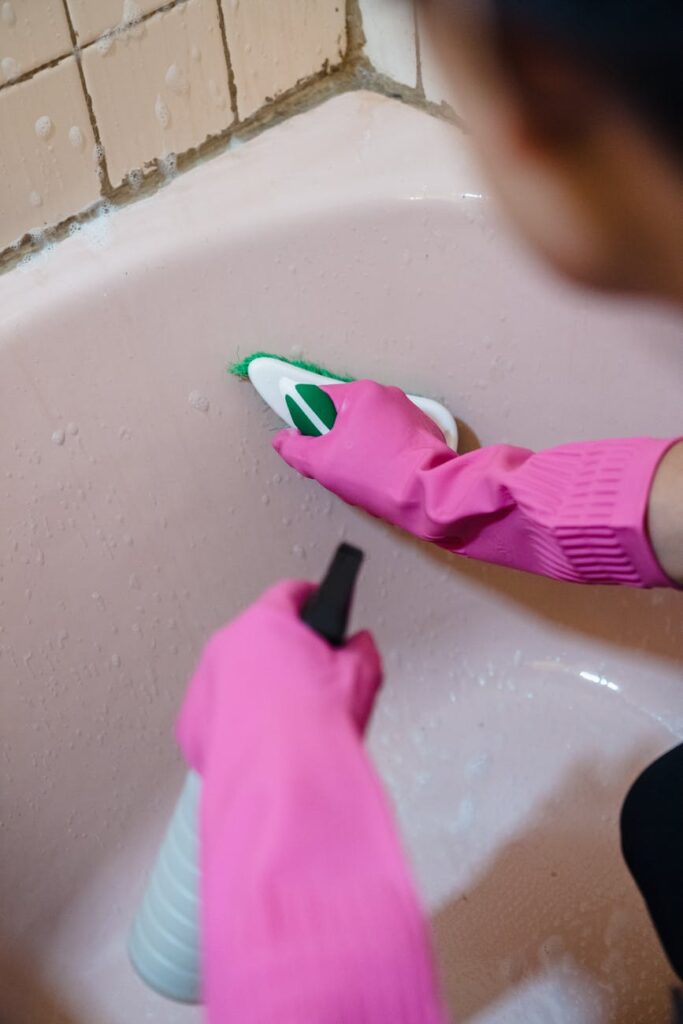
- Scrub: Use your scrub brush or sponge to scrub the moldy areas. Be thorough and ensure you get into crevices and corners.
- Rinse: Use clean water to rinse the area after scrubbing. This will remove any remaining cleaning solution and mold residue.
- Dry: Use a clean towel to dry the area completely. This step is crucial to prevent mold from returning.
- Dispose: Safely dispose of any materials used in the cleaning process, such as sponges or gloves. Seal them in a plastic bag to avoid spreading spores.
- Ventilate: Always use exhaust fans while showering and open windows when possible.
- Wipe Down Surfaces: After each shower, wipe down tiles and walls to remove moisture.
- Use Mold-Resistant Products: Consider mold-resistant paints and caulks in your bathroom.
- Regular Cleaning: Establish a regular cleaning schedule to keep mold at bay.
- Dehumidifiers: If humidity is consistently high, invest in a dehumidifier to reduce moisture levels.
Why This Problem Happens
Understanding why mold develops can help you tackle it more effectively. Mold spores are present almost everywhere, but they need moisture to grow. In bathrooms, the combination of humidity, warmth, and poor ventilation creates a perfect storm.
Additionally, organic materials like soap scum, hair, and skin cells provide food for mold. If these materials are not cleaned regularly, they create a more inviting environment for mold growth.
How to Fix Bathroom Mold (Step-by-Step)
Step 1: Gather Your Supplies
Before you start, gather the following supplies:
Step 2: Prepare the Area
Step 3: Apply Cleaning Solution
Step 4: Scrub the Mold Away
Step 5: Rinse and Dry
Step 6: Dispose of Waste
Best Cleaning Methods
1. Vinegar
Vinegar is an effective natural mold remover. Spray undiluted white vinegar on the affected areas and let it sit for at least an hour before wiping it down.
2. Baking Soda
Mix baking soda with water to form a paste. Apply it to moldy areas and scrub after letting it sit for about 10-15 minutes.
3. Hydrogen Peroxide
A 3% hydrogen peroxide solution can kill mold effectively. Spray onto the affected area, let it sit for 10 minutes, and then scrub.
4. Commercial Cleaners
If natural solutions don’t work, consider using commercial mold removers that contain mold-killing chemicals. Always follow the manufacturer’s instructions and safety guidelines.
Common Mistakes to Avoid
1. Skipping Safety Gear: Always wear gloves, a mask, and goggles to protect yourself from mold spores and cleaning chemicals.
2. Using Hot Water: Hot water can cause mold spores to become airborne. Use cool or lukewarm water instead.
3. Neglecting Ventilation: Don’t underestimate the importance of ventilation during and after cleaning. It helps dry the area and prevent future mold.
4. Not Following Up: After cleaning, monitor the area for any signs of mold returning.
5. Ignoring Leaks: Fix any leaks before cleaning; otherwise, mold will return.
Prevention Tips
Frequently Asked Questions
1. How often should I clean my bathroom to prevent mold?
Aim to clean your bathroom at least once a week, focusing on high-moisture areas like the shower and sink.
2. Can I use bleach to remove mold?
Bleach can kill mold on non-porous surfaces, but it’s not effective on porous materials like drywall or grout. Always follow safety precautions when using bleach.
3. Is it safe to remove mold myself?
Yes, as long as you take safety precautions. However, if there’s extensive mold (larger than 10 square feet), consider hiring a professional.
4. What if mold keeps coming back?
If mold keeps returning, check for leaks, improve ventilation, and ensure you’re cleaning thoroughly. Persistent mold may indicate a larger issue.
5. Can mold in the bathroom cause health problems?
While not everyone is affected, mold can trigger allergies and respiratory issues. If you notice health problems, consult a professional.
6. What is the best way to store bathroom items to prevent mold?
Use airtight containers for toiletries and towels. Avoid storing items in damp areas and ensure they’re dry before putting them away.
By following this guide, you can effectively tackle mold in your bathroom and keep your space clean and healthy. Regular maintenance and vigilance are key to ensuring mold doesn’t become a recurring problem.