
Kitchen Grease Stains Kitchen Guide Part 2
Introduction
Kitchen grease stains are a common problem for homeowners. Whether you’re frying, sautéing, or grilling, splatters and spills can quickly accumulate. Ignoring these stains not only affects the appearance of your kitchen but can also lead to more significant cleaning challenges over time. This guide provides practical solutions to tackle kitchen grease stains effectively.
What Causes Kitchen Grease Stains?
Kitchen grease stains primarily originate from cooking oils, fats, and food particles. When heated, these substances can splatter, creating sticky residue on surfaces. Common sources of grease include:
- Frying pans and skillets
- Cooking oils and sprays
- Grilled meats and vegetables
- Baked goods that release oils during cooking
- Penetrate surfaces: Grease can seep into porous materials such as wood or some types of paint, making it harder to remove.
- Attract dust and dirt: Greasy surfaces tend to collect more dust and grime, leading to a cycle of messiness.
- Solidify: As grease cools, it can harden, making it more challenging to clean.
- Dish soap
- Baking soda
- White vinegar
- Spray bottles
- Microfiber cloths or sponges
- Scrub brush (for tough stains)
- Warm water
- 1 cup of warm water
- 1 tablespoon of dish soap
- 1 part baking soda
- 1 part water
- For light stains, dampen a microfiber cloth with the soapy water and wipe the stained area.
- For stubborn stains, apply the baking soda paste directly onto the grease stain. Let it sit for about 10-15 minutes.
- Using Harsh Chemicals: Many people turn to bleach or ammonia, which can damage surfaces and create harmful fumes. Stick to milder solutions for safety and effectiveness.
- Not Rinsing Properly: Failing to rinse thoroughly can leave residues that attract more dirt and grease.
- Scrubbing Too Hard: Excessive scrubbing can scratch surfaces, especially on delicate materials like stainless steel or painted cabinets.
- Ignoring Regular Maintenance: Waiting too long to clean can result in tougher stains that require more effort to remove.
Over time, these stains can build up, making them more difficult to clean.
Why This Problem Happens
The nature of grease makes it a stubborn foe. Unlike other stains, grease can:
Understanding these factors is crucial to devising an effective cleaning strategy.
How to Fix Kitchen Grease Stains (Step-by-Step)
Step 1: Gather Your Supplies
Before you start, gather the following cleaning supplies:
Step 2: Prepare the Cleaning Solution
For general grease cleaning, mix:
For tougher stains, create a paste with:
Step 3: Apply the Solution
Step 4: Scrub Gently
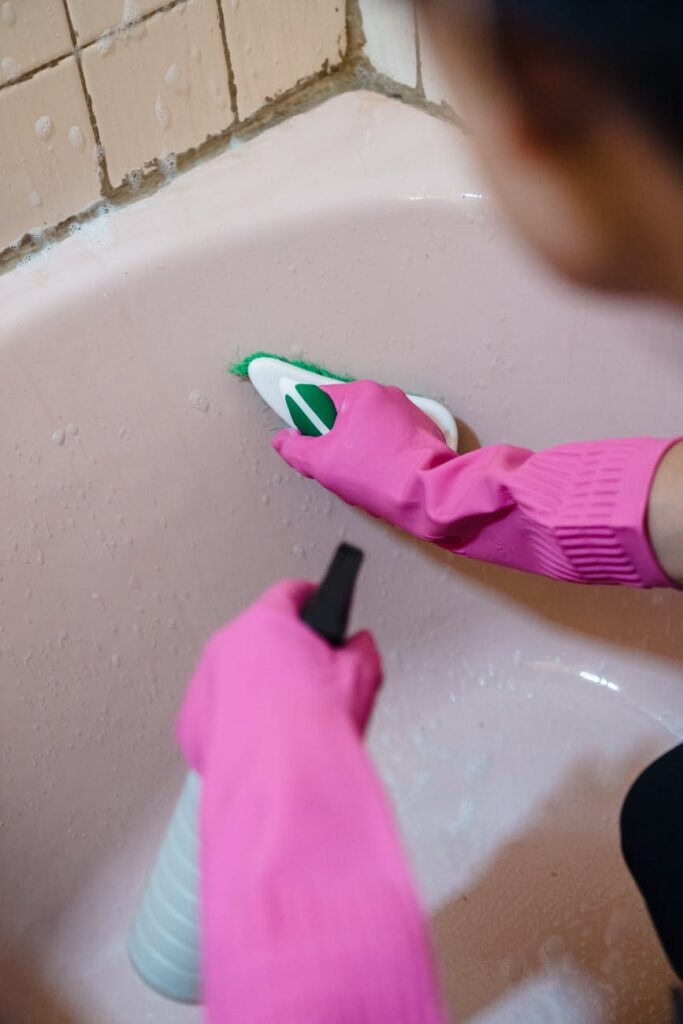
Using a sponge or scrub brush, gently scrub the area in a circular motion. Be cautious with delicate surfaces to avoid scratches.
Step 5: Rinse Thoroughly
After scrubbing, rinse the area with clean water to remove any residue from the cleaning solution. Ensure no soap is left behind, as this can attract more dirt.
Step 6: Dry the Surface
Use a dry microfiber cloth to wipe the area clean. This step helps prevent water spots and additional grime buildup.
Best Cleaning Methods
1. Dish Soap and Warm Water
This is the simplest and most effective method for light grease stains. The surfactants in dish soap break down the grease, allowing for easy removal.
2. Baking Soda Paste
For tougher stains, baking soda serves as a gentle abrasive, helping to lift the grease without damaging most surfaces.
3. White Vinegar Solution
Mix equal parts vinegar and water in a spray bottle. Spray on the stain and let it sit for a few minutes before wiping clean. The acidity of vinegar helps dissolve grease.
4. Commercial Degreasers
For heavy-duty cleaning, consider using a commercial degreaser. Always follow the manufacturer’s instructions and test a small area first.
Common Mistakes to Avoid
Prevention Tips
1. Use Splatter Guards
Invest in splatter guards or lids for frying pans to minimize grease splattering during cooking.
2. Clean as You Go
Wipe up spills immediately after they happen to prevent buildup.
3. Regular Deep Cleaning
Incorporate a deep cleaning of your kitchen into your routine, focusing on areas prone to grease buildup.
4. Ventilation
Ensure your kitchen is well-ventilated while cooking. Use exhaust fans or open windows to minimize grease settling on surfaces.
Frequently Asked Questions
1. How can I remove grease stains from walls?
Mix dish soap with warm water and wipe the stains gently. For tougher stains, use a vinegar solution or baking soda paste.
2. Can I use a magic eraser on grease stains?
Magic erasers can be effective on certain surfaces, but test a small area first to avoid damage.
3. What surfaces are most prone to grease stains?
Cabinets, countertops, and backsplashes are common areas where grease stains accumulate.
4. How often should I clean grease stains?
It’s best to clean grease stains as soon as they occur. Regular maintenance helps prevent buildup and makes cleaning easier.
5. Are commercial degreasers safe for my kitchen?
Most commercial degreasers are safe when used as directed. Always read labels and test on a small area first.
6. What if the grease stain won’t come out?
If a stain persists, consider reapplying your cleaning solution, allowing it to sit longer, or consulting a professional cleaning service for tough cases.
By following these guidelines, you can effectively tackle kitchen grease stains, keeping your cooking space clean and inviting. Regular maintenance and prompt action will make a significant difference in the overall cleanliness of your kitchen.