
Kitchen Grease Stains Bathroom Guide Part 2
Introduction
Kitchen grease stains can be a persistent problem, especially when they find their way into unexpected areas like the bathroom. Grease can transfer from your hands, clothing, or even kitchen items to surfaces in your bathroom. This guide will help you identify the causes of grease stains in your bathroom, why they develop, and how to effectively clean and prevent them.
What Causes Bathroom Grease Stains?
Bathroom grease stains often arise from several sources:
1. Transference from Hands: Cooking oils can cling to your hands and transfer to bathroom surfaces when you wash your hands.
2. Clothing: If you wear clothes that have been splattered with cooking oil, those stains can easily rub off onto bathroom fixtures or countertops.
3. Bathroom Products: Some personal care products, such as lotions and creams, may contain oils that can lead to greasy marks.
4. Improper Ventilation: A lack of ventilation can trap moisture and grease from cooking, leading to buildup.
Understanding these sources can help target your cleaning efforts effectively.
Why This Problem Happens
Grease stains in the bathroom can be tricky. Unlike water stains, grease can be sticky and difficult to remove. Here are a few reasons why grease stains persist:
- Sticky Consistency: Grease adheres strongly to surfaces, making it more challenging to clean than water-based stains.
- Layering: Over time, multiple layers of grease can accumulate, leading to tougher stains.
- Temperature Changes: Bathrooms often experience humidity and varying temperatures, which can cause grease to harden and cling to surfaces.
- Dish soap (preferably grease-cutting)
- Baking soda
- White vinegar
- Microfiber cloths
- A sponge
- A soft-bristled brush
- A spray bottle
- Warm water
Addressing these factors is crucial for effective cleaning.
How to Fix Bathroom Grease Stains (Step-by-Step)
Step 1: Gather Your Supplies
You’ll need:
Step 2: Initial Wipe Down
Start by wiping down the affected area with a dry microfiber cloth to remove any loose debris.
Step 3: Create a Cleaning Solution
Mix a solution of warm water and a few drops of dish soap in a spray bottle. Shake well to combine.
Step 4: Apply the Solution
Spray the soapy water directly onto the grease stain. Let it sit for about 5-10 minutes to penetrate the grease.
Step 5: Scrub the Stain
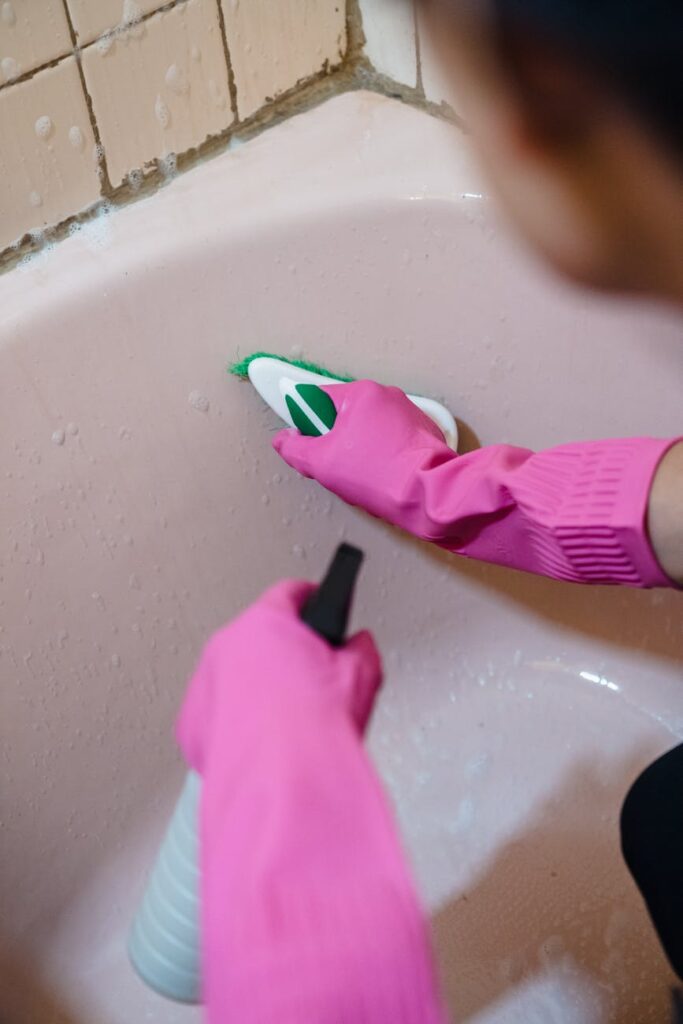
Using a sponge or soft-bristled brush, scrub the area gently. For tough stains, sprinkle some baking soda on the sponge for extra abrasiveness.
Step 6: Rinse and Repeat
Rinse the area with warm water to remove the cleaning solution. If the stain persists, repeat the process.
Step 7: Use Vinegar for Tough Stains
For stubborn stains, spray white vinegar directly onto the area after the soapy water. Let it fizz for a few minutes, then wipe clean.
Step 8: Dry the Area
Use a clean, dry microfiber cloth to wipe the area dry. This helps to prevent new stains from forming.
Best Cleaning Methods
1. Dish Soap and Water: A simple yet effective method for light grease stains.
2. Baking Soda Paste: Mixing baking soda with water to form a paste can help lift stubborn stains.
3. Vinegar and Baking Soda: This combination creates a powerful reaction that can break down grease.
4. Commercial Degreasers: If home remedies fail, consider using a commercial degreaser designed for multi-surface cleaning.
5. Steam Cleaning: If available, steam cleaning can help remove grease without chemicals, making it an eco-friendly option.
Common Mistakes to Avoid
1. Using Harsh Chemicals: Avoid using bleach or abrasive cleaners that can damage bathroom surfaces.
2. Not Rinsing Thoroughly: Residue from cleaning products can attract more dirt and grease.
3. Scrubbing Too Hard: Excessive pressure can scratch surfaces, making stains more noticeable.
4. Ignoring Ventilation: Failing to ventilate can trap grease and moisture, leading to future buildup.
5. Skipping Regular Maintenance: Neglecting to clean regularly can make it harder to keep your bathroom grease-free.
Prevention Tips
1. Wash Hands Thoroughly: Always wash your hands after cooking to avoid transferring grease.
2. Change Clothes: Wear an apron while cooking and change clothes before entering the bathroom.
3. Use Air Fresheners or Dehumidifiers: This can help reduce moisture and grease buildup.
4. Regular Cleaning Schedule: Incorporate bathroom cleaning into your weekly routine to prevent grease and dirt accumulation.
5. Opt for Oil-Free Products: When possible, choose personal care products that are oil-free to minimize grease transfer.
Frequently Asked Questions
1. Can I use vinegar on all bathroom surfaces?
While vinegar is effective for many surfaces, avoid using it on natural stone, as it can damage the stone.
2. How often should I clean grease stains in the bathroom?
Aim for a weekly cleaning to prevent buildup, especially if you cook frequently.
3. What should I do if the stain won’t come out?
Try using a stronger commercial degreaser, or consider contacting a professional cleaning service.
4. Are there any natural alternatives to commercial cleaners?
Yes, baking soda, lemon juice, and vinegar are excellent natural cleaners for grease stains.
5. Can grease stains damage bathroom surfaces?
Yes, if left untreated, grease can lead to discoloration and damage to surfaces over time.
6. Is steam cleaning effective for grease stains?
Yes, steam cleaning is an effective method for removing grease without the use of harsh chemicals.
By following these practical steps and tips, you can effectively tackle kitchen grease stains in your bathroom, ensuring a cleaner and fresher space. Regular maintenance and preventive measures will keep your bathroom looking its best.