
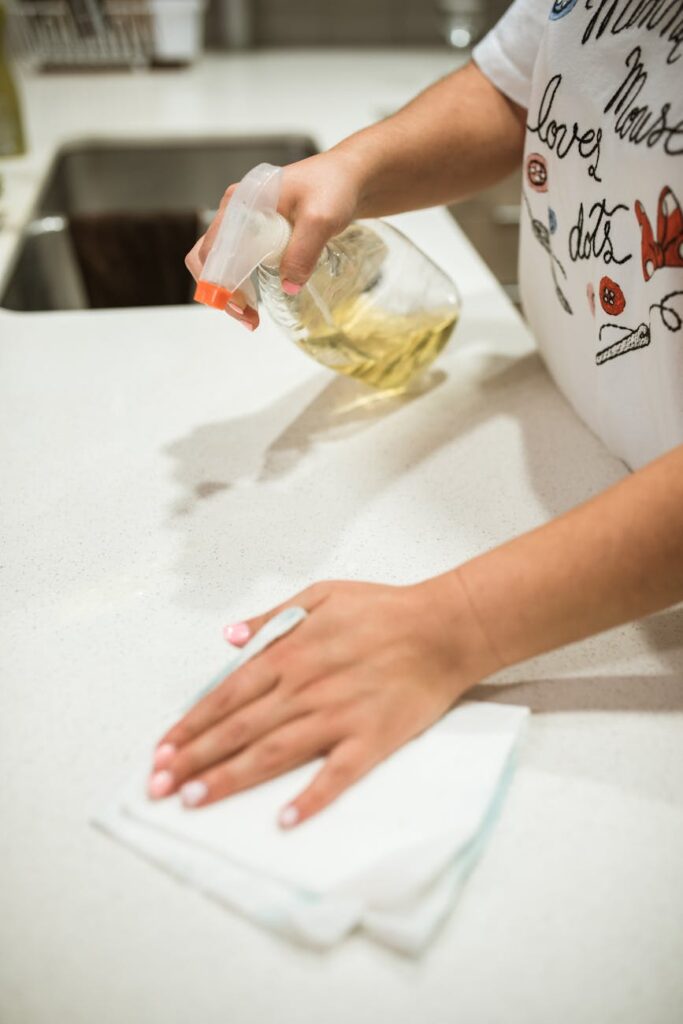
Kitchen Grease Odor Stains Guide Part 2
Introduction
Kitchen grease odors can linger long after the cooking has stopped. These smells often come from cooking oils, fats, and other substances that can stick to surfaces, creating unattractive stains and unpleasant odors. In this guide, we’ll delve into the root causes of these stains, how to effectively clean and eliminate them, and tips for prevention.
What Causes Stains?
Stains from kitchen grease are primarily caused by cooking activities. When you fry, sauté, or grill, tiny droplets of oil can become airborne and settle on surfaces. Over time, these droplets mix with dust and other particles, leading to greasy stains. Common sources include:
- Cooking oils
- Butter
- Food particles
- Smoke from frying or grilling
- Dish soap (grease-cutting)
- Baking soda
- White vinegar
- Spray bottle
- Microfiber cloths or paper towels
- Scrub brush (optional)
- Warm water
These substances not only leave a visual mark but also contribute to lingering odors that can be difficult to eliminate.
Why This Problem Happens
The kitchen is a high-traffic area, and the combination of heat, moisture, and food particles creates the perfect environment for grease to accumulate. When heated, oils can break down and become sticky, making them harder to remove. Additionally, if not cleaned promptly, the grease can oxidize and develop a rancid smell, further complicating the issue.
How to Fix Stains (Step-by-Step)
Step 1: Gather Your Materials
To effectively clean grease stains, you’ll need:
Step 2: Initial Wipe Down
1. Remove Loose Debris: Before applying any cleaning solution, wipe the stained area with a dry cloth to remove any loose food particles or dust.
Step 3: Apply Dish Soap
1. Mix Solution: Combine a few drops of dish soap with warm water in a bowl.
2. Apply: Use a microfiber cloth or sponge to apply the soapy water to the stained area.
3. Scrub Gently: Work the solution into the stain using circular motions. For tougher stains, let it sit for 5-10 minutes.
Step 4: Rinse
1. Wipe Down: Dampen another cloth with clean water and wipe away the soapy residue.
2. Dry: Use a dry cloth to remove any moisture.
Step 5: Baking Soda Treatment (if needed)
1. Sprinkle Baking Soda: For persistent odors, sprinkle baking soda over the damp area.
2. Let Sit: Allow it to sit for 15-20 minutes to absorb odors.
3. Vacuum or Wipe Away: Remove the baking soda with a cloth or vacuum.
Step 6: Vinegar Spray (optional)
1. Mix Vinegar Solution: Combine equal parts white vinegar and water in a spray bottle.
2. Spray: Lightly mist the area to neutralize any remaining odors.
3. Wipe Down: After a few minutes, wipe the area with a clean cloth.
Best Cleaning Methods
1. Commercial Degreasers
For heavy-duty stains, consider using a commercial degreaser. Look for products specifically designed for kitchen use. Always follow the manufacturer’s instructions for the best results.
2. Lemon Juice
Lemon juice is a natural degreaser that can eliminate smells. Apply lemon juice directly to the stained area, let it sit for a few minutes, then rinse and wipe clean.
3. Essential Oils
Adding a few drops of essential oils, such as lemon or tea tree oil, to your cleaning solutions can also combat odors. Not only do they smell great, but they also have natural antibacterial properties.
Common Mistakes to Avoid
1. Using Harsh Chemicals: Avoid bleach or ammonia, which can damage surfaces and create toxic fumes.
2. Not Rinsing Thoroughly: Always rinse off cleaning solutions. Residue can attract more dirt and grime.
3. Ignoring the Source: Only cleaning the visible stain without addressing the source can lead to recurring issues.
4. Using Paper Towels: While convenient, paper towels can leave behind fibers. Use microfiber cloths for better results.
Prevention Tips
1. Cover Food: When frying or grilling, use lids or splatter guards to minimize grease spread.
2. Ventilation: Use exhaust fans or open windows while cooking to reduce moisture buildup.
3. Regular Cleaning: Establish a routine cleaning schedule. Wipe down surfaces daily to prevent buildup.
4. Use Grease Traps: Install grease traps in sinks to catch oil before it can adhere to surfaces.
Frequently Asked Questions
1. How often should I clean my kitchen to prevent grease odors?
Aim for a thorough clean weekly, with daily wipe-downs of surfaces to prevent buildup.
2. Can I use vinegar on all surfaces?
While vinegar is a great natural cleaner, avoid using it on natural stone surfaces like granite or marble, as it can cause etching.
3. What if the odor persists after cleaning?
If odors remain, consider leaving an open box of baking soda in the kitchen to absorb smells, or try using an air purifier.
4. Is it safe to mix baking soda and vinegar?
Mixing baking soda and vinegar creates a reaction that can be effective for cleaning but should be used immediately. Do not store mixed solutions.
5. Can I use essential oils in my cleaning routine?
Yes, essential oils can be added to your cleaning solutions for extra cleaning power and pleasant scents.
6. What’s the best way to clean my kitchen exhaust fan?
Start by removing the filters and soaking them in hot, soapy water. Clean the fan surface with a degreasing solution and wipe down thoroughly.
—
With these actionable steps and tips, you can tackle and prevent kitchen grease odor stains effectively. Regular maintenance and proper cleaning techniques will help keep your kitchen fresh and odor-free.