
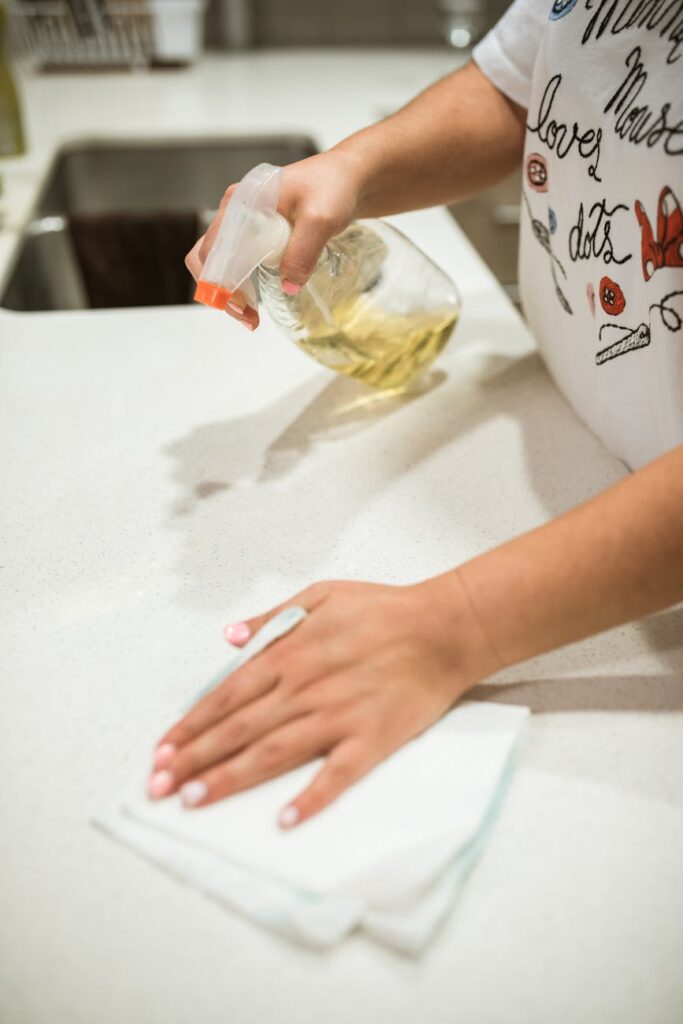
Kitchen Grease Odor Appliances Guide Part 2
Introduction
Kitchen grease odors can cling to your appliances, making your cooking space less inviting. Whether it’s your oven, microwave, or refrigerator, these smells can be a persistent annoyance. In this guide, we’ll delve into the causes of these odors, how to effectively remove them, and tips for preventing them in the first place.
What Causes Appliances?
Grease odors in appliances primarily come from cooking residue. When you fry, sauté, or bake, tiny grease particles can escape and settle on surfaces. Over time, these particles build up and start to emit unpleasant smells, especially in enclosed spaces like ovens and microwaves.
Common Sources of Grease Odors:
- Cooking Spills: Grease splatters can stick to appliance surfaces.
- Old Food: Leftover food particles can rot, contributing to odor.
- Improper Ventilation: Lack of airflow can trap smells inside.
- Baking soda
- Vinegar
- Dish soap
- Microfiber cloths
- Scrub brush
- Spray bottle
- Remove Racks: Take out the racks for separate cleaning.
- Make a Paste: Mix baking soda with water to form a paste.
- Apply: Spread the paste on the interior surfaces. Let it sit for at least 30 minutes.
- Scrub: Use a scrub brush to remove the paste and grease.
- Wipe Down: Spray vinegar inside to neutralize odors, then wipe clean.
- Steam Clean: Fill a microwave-safe bowl with water and a few slices of lemon. Microwave for 5 minutes. This helps loosen grease.
- Wipe: After steaming, use a damp cloth to wipe the interior and exterior surfaces.
- Empty the Fridge: Remove all items and check for expired food.
- Wipe Shelves: Use a solution of dish soap and warm water to clean the shelves. Rinse with a cloth dampened with plain water.
- Deodorize: Place an open box of baking soda in the fridge to absorb odors.
- For Stovetops: Use a degreaser or a baking soda paste. A scraper can help remove stubborn grease.
- For Dishwashers: Run a cycle with vinegar or a dishwasher cleaner to eliminate odors.
- For Exhaust Hoods: Clean filters with soapy water or replace them if they are too greasy.
- Using Harsh Chemicals: Strong chemicals can damage appliance surfaces. Stick to natural cleaners when possible.
- Neglecting the Drip Pan: Many fridges have a drip pan that can accumulate spills. Clean it regularly.
- Ignoring the Ventilation: Ensure vents are clean and unobstructed to allow for proper airflow.
- Regular Cleaning: Establish a routine to clean your appliances every month.
- Use a Splatter Guard: When frying, use a splatter guard to minimize grease escape.
- Ventilation: Use your kitchen exhaust fan while cooking to help disperse odors.
Why This Problem Happens
The issue of grease odor is compounded by several factors:
1. Temperature: Heat from cooking can cause grease to evaporate, releasing odors.
2. Moisture: Humidity can cause grease residues to break down and emit smells.
3. Infrequent Cleaning: Neglecting regular cleaning routines allows odors to build up.
Understanding these causes can help you tackle the odors more effectively.
How to Fix Appliances (Step-by-Step)
1. Identify the Source
Before cleaning, check which appliance is contributing to the odor. Open the oven, microwave, and refrigerator to detect smells.
2. Gather Cleaning Supplies
You’ll need:
3. Clean the Oven
4. Clean the Microwave
5. Clean the Refrigerator
6. Final Check
After cleaning, ensure all appliances are completely dry before putting everything back. This helps prevent moisture buildup.
Best Cleaning Methods
Different appliances may require specific cleaning methods:
Common Mistakes to Avoid
Prevention Tips
Frequently Asked Questions
1. How often should I clean my kitchen appliances?
Aim to clean major appliances monthly and do a quick wipe-down weekly.
2. Can I use vinegar on all surfaces?
While vinegar is safe for most surfaces, always check manufacturer guidelines for specific appliances.
3. How do I remove stubborn grease?
A paste of baking soda and water, left to sit, can help lift stubborn grease. Scrubbing may be necessary.
4. What can I do if odors persist?
If odors linger, consider placing an open box of baking soda in the appliance overnight to absorb smells.
5. Is it safe to use bleach on appliances?
Avoid bleach unless specified by the manufacturer, as it can damage finishes and create toxic fumes.
6. How can I prevent odors from coming back?
Regular cleaning and proper food storage are key. Use airtight containers for leftovers and avoid leaving food in the oven or microwave.
By following these guidelines, you can effectively combat kitchen grease odors and maintain a fresh, inviting cooking environment. Regular maintenance and proactive measures will ensure that your appliances remain odor-free for years to come.