
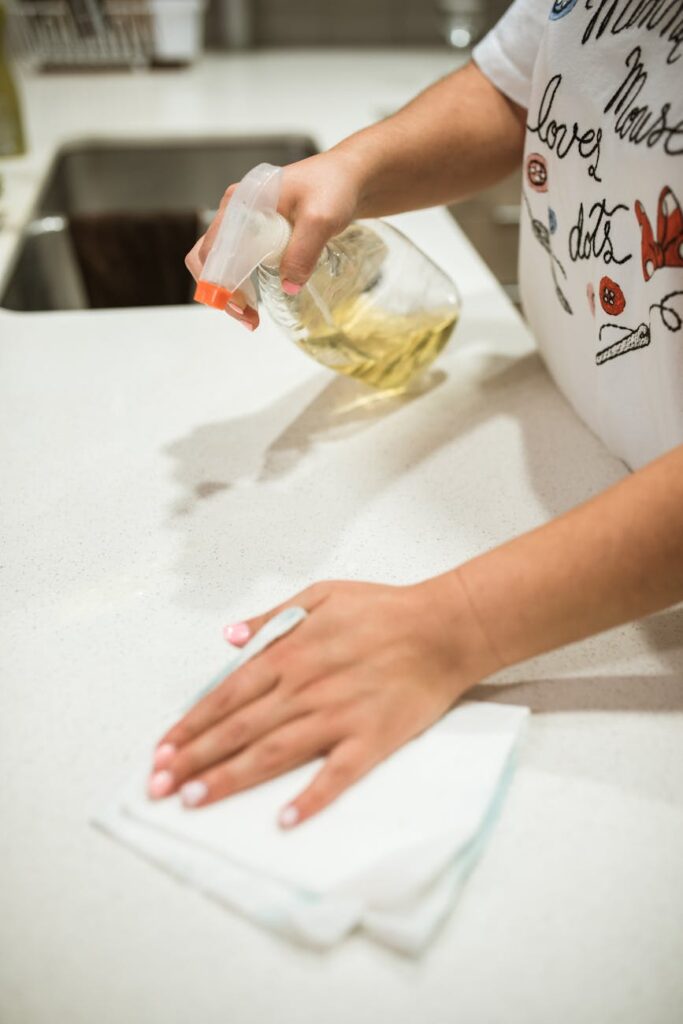
Kitchen Grease Odor Appliances Guide Part 1
Introduction
Kitchen grease odors can linger long after you’ve finished cooking, seeping into your appliances and making your home smell less than fresh. Understanding how to tackle these odors effectively is essential for maintaining a pleasant cooking environment. This guide focuses on appliances commonly affected by grease odors, providing practical solutions you can implement today.
What Causes Appliances?
Kitchen appliances such as ovens, microwaves, dishwashers, and refrigerators can trap grease and food particles over time. When cooking, tiny grease particles can escape and settle on surfaces, creating an unpleasant odor. Common culprits include:
- Ovens: Food spills and splatters can burn onto the oven surfaces, leading to lingering smells.
- Microwaves: Food splatters that aren’t cleaned promptly can dry and harden, causing odors.
- Dishwashers: Food debris left in the filter or drains can create a pungent smell.
- Refrigerators: Spoiled food or spills can lead to persistent odors that permeate the appliance.
- Baking Soda: A natural deodorizer; effective for absorbing odors.
- White Vinegar: Neutralizes odors and cuts through grease.
- Lemon: Provides a fresh scent and helps to break down grease.
- Essential Oils: A few drops can add a pleasant fragrance after cleaning.
- Commercial Cleaners: Look for grease-cutting cleaners specifically designed for kitchen surfaces.
- Neglecting Regular Cleaning: Waiting too long between cleanings leads to stubborn odors.
- Using Abrasive Cleaners: These can scratch surfaces and worsen odors.
- Ignoring Filters: Failing to clean appliance filters can trap odors and grease.
- Overlooking Hidden Areas: Don’t forget about hidden spaces like the back of the fridge or behind the oven.
- Not Allowing Appliances to Air Out: Close environments can trap odors; make sure to ventilate your appliances.
- Clean Regularly: Set a routine for cleaning your appliances to prevent odor buildup.
- Wipe Spills Immediately: Attend to spills as soon as they happen to avoid grease hardening.
- Use Ventilation: Always use exhaust fans when cooking to reduce grease in the air.
- Store Food Properly: Keep food sealed to prevent spills and odors from spreading.
- Keep a Freshener: Place baking soda or activated charcoal in your fridge and microwave to absorb odors.
Why This Problem Happens
Grease odor in appliances occurs primarily due to a lack of regular cleaning and maintenance. Over time, grease accumulates, and bacteria thrive in the leftover food particles, releasing unpleasant smells. Additionally, moisture and heat can exacerbate these odors by promoting bacterial growth.
How to Fix Appliances (Step-by-Step)
Ovens
1. Empty the Oven: Remove any cookware and racks.
2. Make a Paste: Mix baking soda with water to create a thick paste.
3. Apply the Paste: Spread the paste on the greasy areas and let it sit for at least 30 minutes.
4. Scrub: Use a non-abrasive sponge to scrub away the grease.
5. Wipe Clean: Use a damp cloth to wipe away the baking soda.
6. Deodorize: Place a bowl of white vinegar in the oven overnight to neutralize odors.
Microwaves
1. Fill a Bowl with Water: Add a few slices of lemon or a tablespoon of vinegar.
2. Heat: Microwave on high for 5 minutes. The steam will loosen grime.
3. Wipe Down: Use a damp cloth to wipe the interior surfaces.
4. Deodorize: Leave the microwave door open for a while to air it out.
Dishwashers
1. Check the Filter: Remove and clean the filter, rinsing it under hot water.
2. Run a Cycle: Fill a cup with vinegar and place it on the top rack. Run a hot cycle without dishes.
3. Sprinkle Baking Soda: After the vinegar cycle, sprinkle baking soda on the bottom and run another short cycle.
Refrigerators
1. Empty the Fridge: Remove all food items.
2. Clean Shelves: Use a solution of warm water and baking soda to wipe down shelves.
3. Check for Spoiled Food: Dispose of any expired items.
4. Deodorize: Place an open box of baking soda inside to absorb odors.
Best Cleaning Methods
Common Mistakes to Avoid
Prevention Tips
Frequently Asked Questions
1. How often should I clean my appliances to prevent odors?
Aim for a monthly deep clean, while daily wipe-downs of surfaces can help keep odors at bay.
2. Can I use bleach to clean my appliances?
It is not recommended, as bleach can leave a strong, lingering odor and may not effectively cut through grease.
3. What’s the best way to eliminate stubborn odors?
A combination of baking soda and vinegar is highly effective for stubborn odors.
4. Are there any natural remedies for eliminating odors?
Yes, using lemon, vinegar, or baking soda can be effective natural solutions.
5. How can I keep my dishwasher smelling fresh?
Regularly clean the filter, run vinegar cycles, and leave the door ajar to allow moisture to escape.
6. Should I cover food in the fridge?
Yes, always cover food to prevent spills and odors from transferring to other items in the refrigerator.
By understanding the causes and implementing these cleaning strategies, you’ll not only eliminate kitchen grease odors but also maintain a fresher, more inviting cooking space. Stay tuned for Part 2, where we’ll delve deeper into specific appliance maintenance tips.