
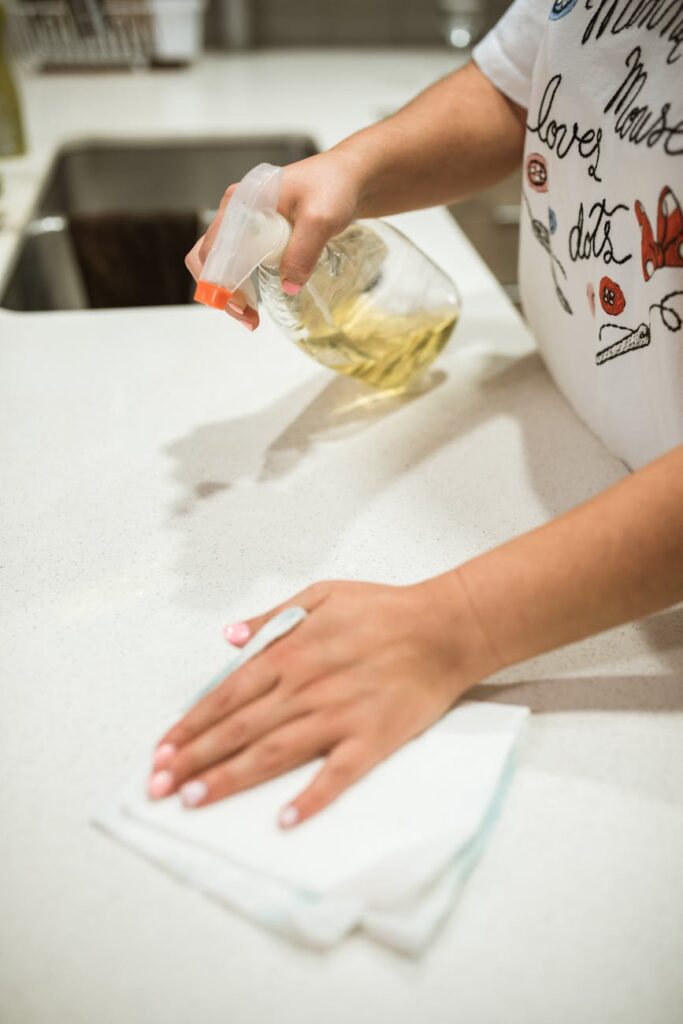
Kitchen Grease Buildup: Kitchen Guide Part 1
Introduction
Kitchen grease buildup is a common issue in many homes. Whether you’re frying, sautéing, or simply cooking, it’s easy for grease to accumulate on surfaces. This buildup not only makes your kitchen look unkempt but can also pose fire hazards and lead to unpleasant odors. In this guide, we’ll explore the causes of grease buildup, effective cleaning methods, and tips for prevention.
What Causes Kitchen Grease Buildup?
Grease buildup primarily occurs from cooking activities. Here are some of the main culprits:
1. Cooking Oils: Oils used in frying, grilling, and sautéing can splatter and cling to surfaces.
2. Steam and Smoke: Cooking generates steam and smoke, which can carry grease particles that settle on kitchen surfaces.
3. Inadequate Ventilation: Poor air circulation can trap grease in the kitchen, leading to accumulation.
4. Neglected Surfaces: Regular cleaning is essential. Areas like stovetops, backsplashes, and cabinets often get overlooked.
Why This Problem Happens
Understanding why grease buildup occurs can help you address it effectively:
- Heat: High temperatures during cooking can cause oils to break down and adhere to surfaces.
- Time: Over time, grease can harden, making it more difficult to clean.
- Lack of Maintenance: Regular cleaning helps prevent buildup. Without it, grease can accumulate and become a sticky mess.
- Type of Cooking: Frying and grilling tend to produce more grease than boiling or steaming.
- Dish soap
- Baking soda
- White vinegar
- Spray bottle
- Microfiber cloths
- Scrub brush or sponge
- Rubber gloves (optional)
- Wipe down with soapy water.
- For tough spots, apply the baking soda paste and let it sit for 10 minutes before scrubbing.
- Rinse with a damp cloth and dry.
- Spray the vinegar solution on the backsplash.
- Wipe using a microfiber cloth.
- Rinse with water and dry.
- Use the soapy water to clean cabinet doors.
- For stubborn grease, apply the baking soda paste and scrub gently.
- If grease has accumulated on walls or ceilings, use the vinegar solution and a long-handled mop or sponge.
- For Stovetops: Use a mix of baking soda and vinegar for stubborn stains. This method helps break down the grease effectively.
- For Appliances: Use a commercial degreaser specifically designed for kitchen appliances. Follow the instructions on the label for best results.
- For Floors: Mix a solution of warm water and dish soap. Use a mop for easy application, especially in areas prone to grease splatter.
How to Fix Kitchen Grease Buildup (Step-by-Step)
Cleaning grease buildup can seem daunting, but following these steps will make the process manageable.
Step 1: Gather Your Supplies
You’ll need:
Step 2: Prepare Your Cleaning Solution
1. Soapy Water: Mix warm water with a few drops of dish soap in a bowl or bucket.
2. Baking Soda Paste: Combine baking soda with a small amount of water to create a paste.
3. Vinegar Solution: Fill a spray bottle with equal parts white vinegar and water.
Step 3: Clean Surfaces
1. Stovetop:
2. Backsplash:
3. Cabinets:
4. Walls and Ceiling:
Step 4: Rinse and Dry
After cleaning each surface, ensure you rinse off any cleaning solution residue with water. Use a clean, dry cloth to wipe down all surfaces.
Best Cleaning Methods
Different surfaces may require different cleaning approaches. Here are some effective methods tailored for various surfaces:
Common Mistakes to Avoid
Avoid these pitfalls to ensure effective cleaning:
1. Using Harsh Chemicals: Some chemicals can damage surfaces. Stick to gentle cleaners unless necessary.
2. Not Allowing Solutions to Sit: Allowing cleaning solutions to sit for a few minutes can enhance their effectiveness.
3. Skipping Rinsing: Always rinse surfaces after cleaning to avoid sticky residues.
4. Neglecting to Wear Gloves: While optional, gloves can protect your hands from harsh chemicals and grease.
Prevention Tips
Preventing grease buildup is easier than cleaning it. Here are some actionable tips:
1. Use a Splatter Guard: When frying or cooking, a splatter guard can minimize grease dispersion.
2. Ventilate: Use exhaust fans or open windows while cooking to reduce steam and grease accumulation.
3. Clean Regularly: Make it a habit to wipe down surfaces after cooking.
4. Cover Food: Use lids when cooking to reduce splattering.
5. Use Paper Towels: Place paper towels around the stovetop to catch splatters and dispose of them after cooking.
Frequently Asked Questions
1. How often should I clean my kitchen to prevent grease buildup?
Aim to clean your kitchen surfaces after every cooking session. A deeper clean should be done weekly.
2. Can I use vinegar on all surfaces?
Vinegar is safe for most surfaces but avoid using it on natural stone countertops, as it can cause etching.
3. What’s the best way to clean greasy oven surfaces?
Use a commercial oven cleaner or a baking soda paste. Apply it, let it sit, then scrub and rinse.
4. How do I remove grease stains from clothing?
Pre-treat stains with dish soap or laundry detergent before washing. Let it sit for 5-10 minutes before laundering.
5. Is it safe to use a pressure washer in the kitchen?
No, pressure washers should not be used indoors. Stick to manual cleaning methods for kitchen surfaces.
6. What if the grease buildup is too tough to remove?
If grease buildup is excessive, consider hiring a professional cleaning service for a thorough deep clean.
By following these guidelines, you can keep your kitchen clean and grease-free, making cooking a more enjoyable experience. Stay tuned for Part 2, where we dive into advanced cleaning techniques and maintenance tips!