
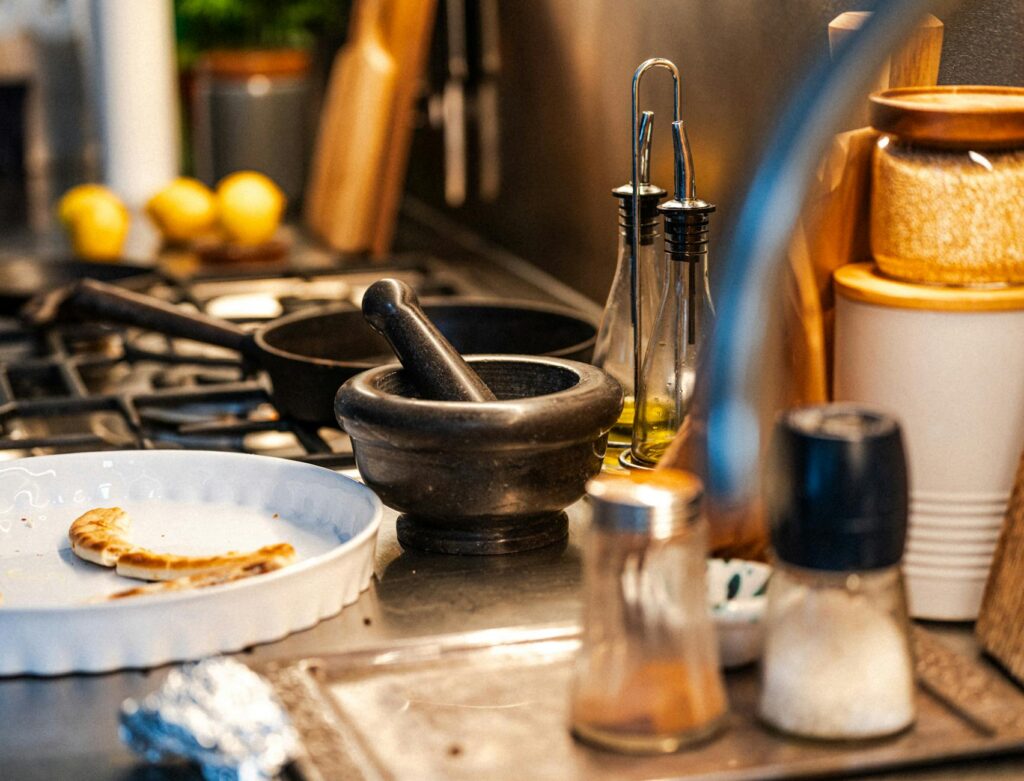
Kitchen Grease Buildup Cleaning Guide Part 2
Introduction
Kitchen grease buildup is a common problem faced by many homeowners. Over time, cooking oils, fats, and food particles accumulate on surfaces, creating sticky and unsightly messes. This guide will provide you with practical steps to tackle grease buildup effectively and keep your kitchen looking pristine.
What Causes Grease Buildup?
Grease buildup occurs primarily from cooking. When you fry, sauté, or even boil food, tiny droplets of oil and fat escape into the air and settle on various surfaces. The heat causes these particles to adhere to cabinets, walls, and appliances. Over time, they form a thick layer of sticky residue that can be challenging to clean.
Why This Problem Happens
Several factors contribute to grease buildup in your kitchen:
1. Cooking Methods: Frying and sautéing create more airborne grease than boiling or baking.
2. Ventilation: Poor ventilation allows grease to linger in the kitchen, increasing buildup.
3. Cleaning Frequency: Infrequent cleaning allows grease to accumulate over time, making it harder to remove.
4. Type of Cooking Oil: Some oils, especially those with low smoke points, can create more residue than others.
5. Food Preparation: Cooking aromatic foods can also contribute to grease, as the oils from these foods can stick to surfaces.
Understanding these causes will help you take more effective action against grease buildup.
How to Fix Grease Buildup (Step-by-Step)
Step 1: Gather Your Supplies
Before you begin cleaning, gather the following supplies:
- Dish soap
- Baking soda
- White vinegar
- Spray bottle
- Scrub brush or sponge
- Microfiber cloths
- Rubber gloves
- Bucket
Step 2: Prepare a Cleaning Solution
1. Dish Soap and Water: Mix a few drops of dish soap in a bucket of warm water. This solution will help break down grease.
2. Baking Soda Paste: For tougher spots, mix baking soda with a little water to form a paste.
3. Vinegar Solution: Fill a spray bottle with equal parts white vinegar and water. This solution helps cut through grease and deodorizes surfaces.
Step 3: Start with Surfaces
1. Wipe Down: Using a microfiber cloth dipped in the soapy water, wipe down all surfaces, including countertops, stovetops, and cabinet doors.
2. Scrub Tough Spots: For areas with heavy grease buildup, apply your baking soda paste. Let it sit for 10-15 minutes before scrubbing with a brush or sponge.
3. Rinse: After scrubbing, rinse the area with clean water to remove any residue.
Step 4: Clean Appliances
1. Stove and Oven: Spray the vinegar solution on your stove and let it sit for a few minutes. Wipe down with a cloth and scrub any stubborn spots.
2. Microwave: For the microwave, fill a bowl with water and add a few slices of lemon. Heat it on high for five minutes. The steam will loosen grease, making it easy to wipe away.
3. Refrigerator and Dishwasher: Use the vinegar solution to wipe down the exteriors of these appliances.
Step 5: Final Touches
1. Cabinet Cleaning: Don’t forget to clean the tops of cabinets where grease can accumulate. Use a step stool if necessary.
2. Floor Cleaning: Finish by mopping the kitchen floor with a solution of warm water and dish soap.
3. Inspect: Once everything is cleaned, inspect for any missed spots and repeat the cleaning process if necessary.
Best Cleaning Methods
1. Hot Water and Soap
Using hot water with dish soap is one of the simplest and most effective methods for regular maintenance. It breaks down grease and makes it easy to wipe away.
2. Baking Soda Paste
For tougher grease, a baking soda paste can work wonders. The mild abrasiveness helps lift stubborn spots without damaging surfaces.
3. Vinegar Solution
Vinegar is an excellent natural degreaser. Its acidity helps cut through grease, making it a great choice for kitchen surfaces.
4. Commercial Degreasers
If home remedies aren’t working, consider a commercial degreaser. These products are specifically formulated to tackle tough grease.
Common Mistakes to Avoid
1. Using Too Much Water: Excess water can spread grease around instead of removing it. Use a damp cloth instead.
2. Neglecting Ventilation: Always ensure your kitchen is well-ventilated while cooking. This can help reduce grease buildup over time.
3. Ignoring High Zones: Don’t forget to clean higher surfaces like the tops of cabinets, which can accumulate grease that drips down.
4. Cleaning Only When It’s Visible: Clean regularly rather than waiting for grease to become visible. Prevention is key.
5. Using Steel Wool: Avoid abrasive materials that can scratch surfaces. Opt for softer sponges or cloths.
Prevention Tips
1. Use a Splatter Guard: When frying, use a splatter guard to minimize grease dispersion.
2. Clean As You Go: Wipe down surfaces while cooking to prevent grease from building up.
3. Ventilate: Use your kitchen exhaust fan or open windows while cooking to allow grease to dissipate.
4. Choose Cooking Oils Wisely: Use oils with higher smoke points, which produce less residue.
5. Establish a Cleaning Routine: Regularly schedule cleaning sessions to maintain a grease-free kitchen.
Frequently Asked Questions
1. How often should I clean grease buildup in my kitchen?
Aim for a thorough clean every month, but wipe down surfaces after cooking to prevent buildup.
2. Can I use vinegar on all surfaces?
Vinegar is safe for most surfaces but avoid using it on natural stone, as it can damage the finish.
3. What’s the best way to remove grease from a range hood?
Use a mixture of warm, soapy water and scrub with a sponge. For tough spots, apply a baking soda paste and let it sit before scrubbing.
4. Are commercial degreasers safe for kitchen use?
Yes, but always read labels and choose food-safe options, especially for surfaces that come into contact with food.
5. What if the grease buildup is really old and tough?
For tough, old grease, consider using a commercial degreaser or repeating your cleaning process multiple times with home remedies.
6. Can I prevent grease buildup completely?
While you can’t prevent it entirely, consistent cleaning and good cooking practices can greatly reduce it.
By following these steps and tips, you can effectively manage and prevent kitchen grease buildup, ensuring a cleaner and more hygienic cooking environment.