
Kitchen Grease Buildup Appliances Guide Part 1
Introduction
Kitchen grease buildup is a common issue that many homeowners face. It can accumulate on appliances, making them look dirty and affecting their performance. This guide will help you understand what causes grease buildup on your kitchen appliances, why it happens, and how to effectively clean it. With practical solutions, you’ll be able to tackle this problem head-on.
What Causes Appliances?
Kitchen appliances, such as your stove, oven, refrigerator, and microwave, are often exposed to cooking oils, food splatters, and steam. These substances can create a sticky residue that builds up over time. Here are the main culprits:
- Cooking Oils: When cooking, oils can splatter and settle on appliance surfaces.
- Food Particles: Bits of food can become trapped in crevices, contributing to grease buildup.
- Steam: Moisture from boiling or frying can mix with grease, making it sticky.
- Lack of Cleaning: Infrequent cleaning allows grease to harden and become more difficult to remove.
- Heat: Cooking generates heat that can cause oils to become more viscous and adhere to surfaces.
- Time: Over time, even small amounts of grease can accumulate if not cleaned regularly.
- Type of Cooking: Frying and sautéing tend to produce more grease than baking or steaming.
- Ventilation: Poor ventilation can trap moisture and grease, leading to buildup.
- Dish soap
- Baking soda
- White vinegar
- Microfiber cloths
- Sponges
- Soft-bristle brush
- Spray bottle
- Rubber gloves
- Dry all surfaces thoroughly with a clean microfiber cloth.
- Replace grates, shelves, and items in the refrigerator.
- Regular Cleaning: Establish a routine cleaning schedule, ideally weekly, to prevent buildup.
- Natural Cleaners: Use natural cleaners like vinegar and baking soda, which are effective and safe.
- Steaming: Use steam to loosen grease in the microwave and on other surfaces.
- Commercial Degreasers: For heavy-duty cleaning, consider using commercial degreasers specifically designed for kitchen appliances.
- Use a Splatter Guard: When frying, use a splatter guard to minimize oil splatters.
- Ventilate: Ensure proper ventilation in your kitchen to reduce moisture and grease accumulation.
- Clean As You Cook: Wipe down surfaces as you cook to catch spills early.
- Cover Food: Cover pots and pans while cooking to reduce splatter.
- Regular Maintenance: Implement a routine cleaning schedule to stay on top of grease buildup.
Why This Problem Happens
Grease buildup occurs due to several factors:
Understanding these factors can help you take proactive measures to prevent grease accumulation.
How to Fix Appliances (Step-by-Step)
Cleaning your appliances can feel daunting, but with a step-by-step approach, it becomes manageable. Here’s how to effectively clean various kitchen appliances affected by grease buildup.
Step 1: Gather Your Supplies
Before you start, gather the following supplies:
Step 2: Prepare Your Cleaning Solutions
1. Dish Soap Solution: Mix a few drops of dish soap with warm water in a bowl.
2. Baking Soda Paste: Combine equal parts baking soda and water to form a paste for tougher spots.
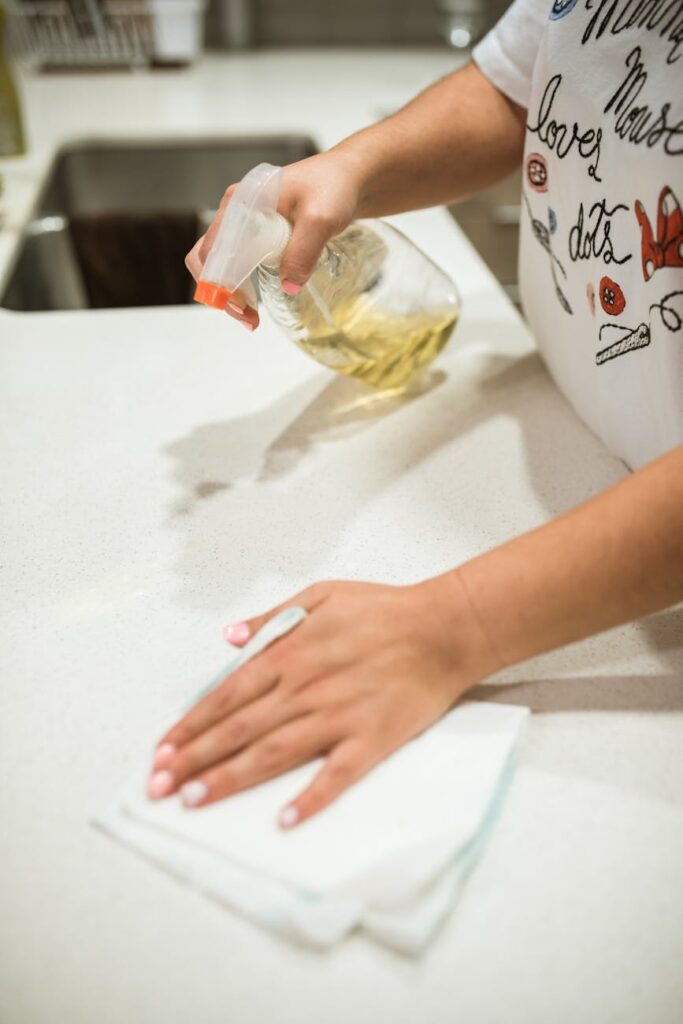
3. Vinegar Spray: Fill a spray bottle with equal parts white vinegar and water for a natural degreaser.
Step 3: Clean the Surfaces
For Stoves and Ovens:
1. Remove Grates: Take off the grates and burner caps from the stove.
2. Soak: Soak them in warm soapy water.
3. Wipe Down: Use the dish soap solution to wipe down the stove and oven surfaces.
4. Tackle Tough Spots: Apply the baking soda paste to stubborn grease spots. Let it sit for 10 minutes, then scrub with a soft-bristle brush.
5. Rinse: Wipe down with a clean damp cloth to remove residue.
For Microwaves:
1. Steam Cleaning: Fill a microwave-safe bowl with water and add lemon slices. Microwave for 5 minutes to create steam.
2. Wipe Down: After steaming, use a cloth to wipe the interior surfaces. For tough spots, use the vinegar spray.
3. Exterior Cleaning: Wipe the exterior with the dish soap solution.
For Refrigerators:
1. Empty the Fridge: Remove all items from the refrigerator.
2. Clean Shelves: Use the dish soap solution to wipe down shelves and walls. For stubborn stains, use the baking soda paste.
3. Deodorize: Place an open box of baking soda in the fridge to control odors.
Step 4: Final Touches
Best Cleaning Methods
To maintain a grease-free kitchen, here are some of the best cleaning methods:
Common Mistakes to Avoid
1. Using Abrasive Cleaners: Avoid abrasive sponges or harsh chemicals that can scratch surfaces.
2. Neglecting Hard-to-Reach Areas: Don’t forget to clean behind and underneath appliances.
3. Skipping Regular Cleaning: Infrequent cleaning makes grease more difficult to remove.
4. Using Cloths That Leave Lint: Opt for microfiber cloths that won’t leave behind lint or streaks.
Prevention Tips
Preventing grease buildup is much easier than cleaning it up. Here are some tips to keep your appliances grease-free:
Frequently Asked Questions
1. How often should I clean my kitchen appliances?
Aim to clean your kitchen appliances at least once a week to prevent grease buildup.
2. Can I use vinegar to clean all types of appliances?
While vinegar is effective for many surfaces, avoid using it on natural stone surfaces like granite or marble.
3. What’s the best way to remove burnt-on grease?
Create a paste with baking soda and water, apply it to the burnt area, and let it sit for 10-15 minutes before scrubbing.
4. Are commercial degreasers safe to use around food?
Always check the label for food-safe certifications. If unsure, stick with natural cleaning methods.
5. How can I get rid of odors in my refrigerator?
Place an open box of baking soda in your refrigerator to absorb odors. Replace it every three months.
6. Is it necessary to remove appliance parts for cleaning?
Removing parts like grates and shelves can make cleaning more thorough but isn’t always necessary. Just be sure to clean all surfaces.
By following these practical steps and tips, you can effectively manage grease buildup on your kitchen appliances, keeping your kitchen clean and your appliances functioning efficiently.