
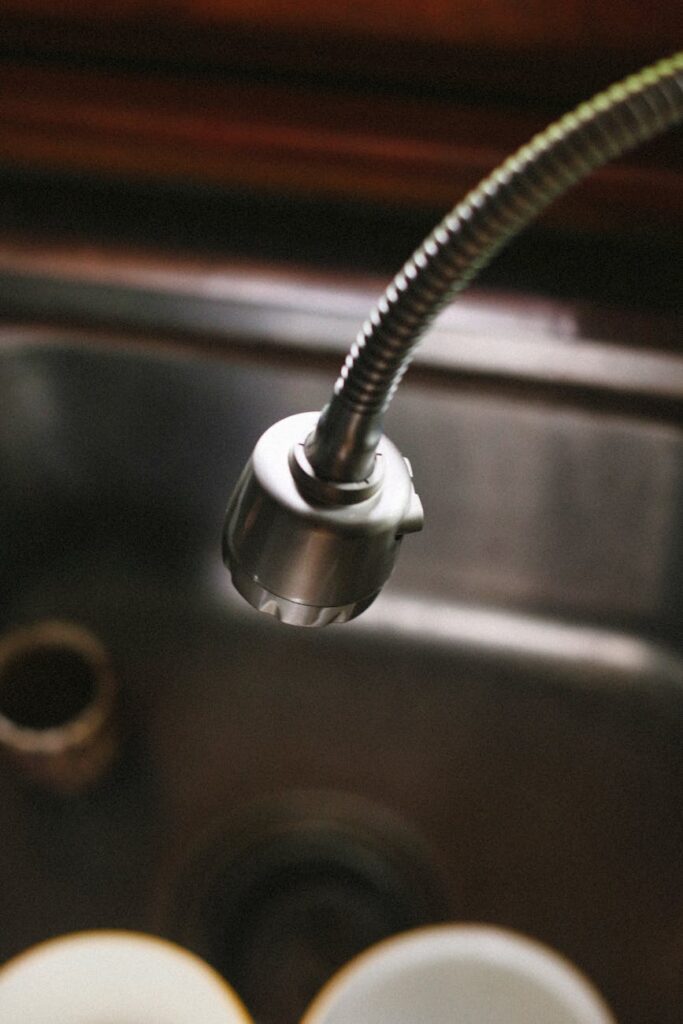
Kitchen Faucet Mold Stains Guide Part 1
Introduction
Kitchen faucets are essential for daily tasks, but they can become breeding grounds for mold and stains. Mold not only looks unsightly but can also create hygiene issues. In this guide, we will explore what causes these stains, how to effectively clean them, and most importantly, how to prevent them from returning.
What Causes Stains?
Stains on kitchen faucets usually result from a combination of factors, including:
- Moisture: Kitchens are often humid, and water drips or splatters can create an environment conducive to mold growth.
- Soap and Food Residue: Leftover soap, food particles, and grease can stick to the faucet and attract mold.
- Hard Water: Minerals in hard water can leave behind deposits that become breeding grounds for mold and mildew.
- White vinegar or lemon juice
- Baking soda
- A soft cloth or sponge
- An old toothbrush
- Rubber gloves (optional)
- A spray bottle
- Using Abrasive Cleaners: Avoid using steel wool or harsh scrubbing pads that can scratch the surface.
- Ignoring Hard-to-Reach Areas: Mold can hide in crevices. Make sure to clean these areas thoroughly.
- Not Rinsing Properly: Residual cleaning solution can lead to new stains. Always rinse well.
- Neglecting to Dry: Failing to dry the faucet can lead to new mold growth. Always wipe down after cleaning.
- Wipe Down After Use: Make it a habit to wipe down the faucet after each use to remove moisture.
- Use a Water Softener: If you have hard water, consider installing a water softener to minimize mineral buildup.
- Regular Cleaning: Clean your faucet at least once a week to prevent mold from establishing itself.
- Improve Ventilation: Ensure your kitchen is well-ventilated to reduce humidity levels.
Understanding these causes is crucial for effective cleaning and prevention.
Why This Problem Happens
Mold thrives in damp, dark environments. When water consistently collects around the faucet, it creates a perfect habitat. Additionally, organic material from food and soap provides nutrients for mold spores. If not cleaned regularly, these elements combine to form visible stains that can be tough to remove.
How to Fix Stains (Step-by-Step)
Cleaning mold stains from your kitchen faucet is straightforward. Follow these steps for effective results:
Step 1: Gather Your Materials
You will need:
Step 2: Prepare a Cleaning Solution
Mix equal parts of white vinegar and water in a spray bottle. If you prefer, you can use lemon juice as a natural alternative.
Step 3: Apply the Solution
Spray the cleaning solution generously on the stained areas of the faucet. Allow it to sit for 5-10 minutes. This will help break down the mold and stains.
Step 4: Scrub the Stains
Using a soft cloth or sponge, gently scrub the stained areas. For tougher stains, sprinkle some baking soda on your cloth or sponge for added scrubbing power.
Step 5: Use a Toothbrush for Crevices
If there are hard-to-reach areas, use an old toothbrush to scrub those spots. The bristles will help remove mold from crevices and joints.
Step 6: Rinse Thoroughly
Once you’ve scrubbed all the stains, rinse the faucet with warm water to remove any residue from the cleaning solution.
Step 7: Dry the Faucet
Use a clean, dry cloth to wipe down the faucet. This will help prevent new mold growth by removing any moisture.
Best Cleaning Methods
Here are some effective cleaning methods for tackling kitchen faucet mold stains:
1. Vinegar and Baking Soda
This classic combination is effective for most mold stains. The acidity of vinegar helps break down mold, while baking soda acts as a gentle abrasive.
2. Hydrogen Peroxide
For tougher stains, hydrogen peroxide can be a powerful ally. Apply it directly to the stain, let it sit for 10 minutes, and then scrub.
3. Commercial Cleaners
If natural methods are insufficient, consider a commercial mold remover. Ensure it’s safe for use on metal and follow the instructions carefully.
Common Mistakes to Avoid
To ensure effective cleaning and avoid damaging your faucet, be mindful of these common mistakes:
Prevention Tips
Preventing mold stains on your kitchen faucet is easier than removing them. Here are some actionable tips:
Frequently Asked Questions
1. How often should I clean my kitchen faucet to prevent mold stains?
Aim to clean your kitchen faucet at least once a week to prevent mold buildup.
2. Can I use bleach to clean mold stains from my faucet?
Bleach can be effective but may damage some finishes. It’s best to use vinegar or baking soda as safer alternatives.
3. What if the stains persist after cleaning?
If stains persist, consider using a commercial mold remover or consult a professional cleaner.
4. Is it safe to use vinegar on all types of faucets?
Most faucets are safe to clean with vinegar, but always check the manufacturer’s guidelines for specific materials.
5. Can mold stains spread if not cleaned immediately?
Yes, mold can spread if not addressed promptly. Regular cleaning helps contain and prevent further growth.
6. What’s the best way to dry my faucet after cleaning?
Use a clean, dry microfiber cloth to wipe down your faucet thoroughly after cleaning to remove any moisture.
By following these guidelines, you can effectively tackle kitchen faucet mold stains and keep your kitchen clean and hygienic. Stay tuned for Part 2, where we will delve deeper into advanced cleaning techniques and solutions.