
Kitchen Faucet Mold Odours Guide Part 2
Introduction
A clean kitchen is essential for a healthy home. Unfortunately, the kitchen faucet can become a hidden source of unpleasant odours due to mold and mildew. This guide will help you understand the causes of these odours, how to fix them, and how to prevent them from returning.
What Causes Odours?
Kitchen faucet odours primarily stem from mold, mildew, and bacteria that thrive in damp environments. These organisms can accumulate in various parts of the faucet, including:
- Aerator: The mesh filter at the end of the faucet spout can trap debris and moisture.
- Spray Head: If your faucet has a spray feature, it can harbor stagnant water.
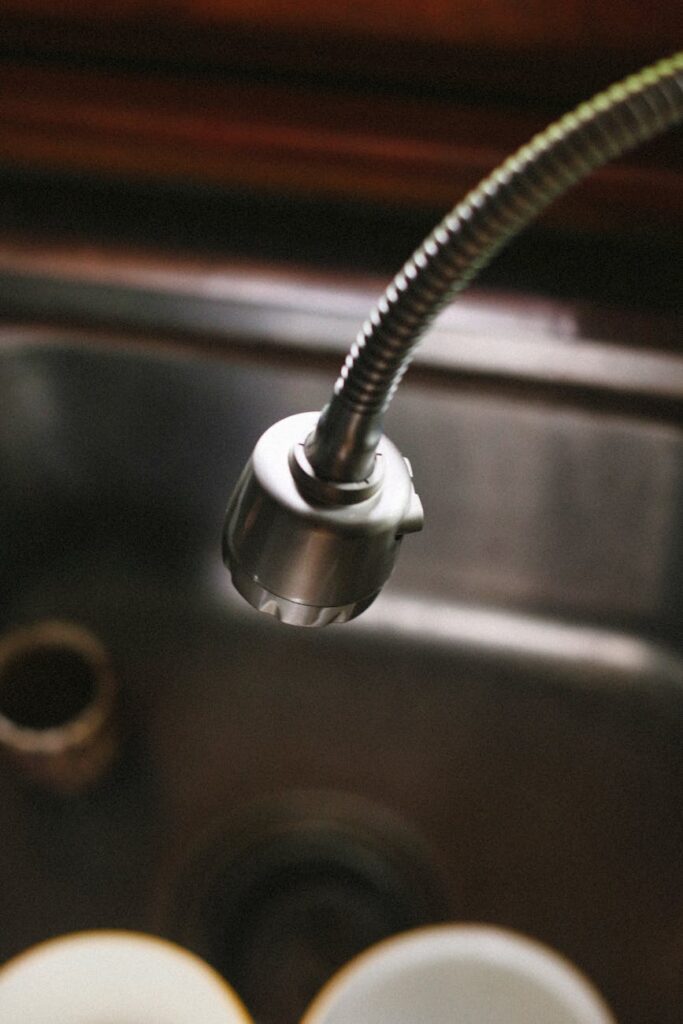
- Hoses: Flexible hoses can also be breeding grounds for mold if not properly dried.
- Under-sink Area: Moisture from leaks or spills can create a prime environment for mold growth.
- High Humidity: Kitchens tend to have higher humidity levels, especially when cooking.
- Poor Ventilation: Lack of airflow can exacerbate moisture issues.
- Food Particles: Bits of food can get caught in the faucet’s crevices, leading to decay and odours.
- Infrequent Cleaning: Neglecting regular maintenance allows mold and bacteria to flourish.
- White vinegar
- Baking soda
- Dish soap
- A toothbrush or small brush
- Microfiber cloths
- A small bowl or container
- Rubber gloves (optional)
- Regular Cleaning: Clean your faucet at least once a month using vinegar or a mild cleaner.
- Ensure Proper Ventilation: Use an exhaust fan while cooking to reduce humidity levels in the kitchen.
- Wipe Down Regularly: After using the faucet, wipe it down to remove moisture.
- Inspect for Leaks: Regularly check hoses and connections for leaks, and repair them promptly.
- Use a Water Softener: If you have hard water, consider installing a water softener to reduce mineral buildup.
Understanding these sources is key to effectively combating the odours.
Why This Problem Happens
The kitchen faucet is often overlooked during cleaning routines. Factors contributing to the growth of mold and bacteria include:
Addressing these underlying issues is crucial for a long-term solution.
How to Fix Odours (Step-by-Step)
Step 1: Gather Your Supplies
Before you begin, gather the following cleaning supplies:
Step 2: Turn Off the Water Supply
Before cleaning, turn off the water supply to prevent accidental splashes. Locate the valve under the sink and turn it clockwise.
Step 3: Remove the Aerator
1. Unscrew the aerator from the faucet spout using your hands or pliers if it’s stuck.
2. Soak the aerator in a mixture of equal parts white vinegar and water for 30 minutes to dissolve any mineral buildup.
Step 4: Clean the Faucet Exterior
1. Mix a few drops of dish soap with warm water.
2. Use a microfiber cloth to wipe down the entire faucet, focusing on crevices where grime can hide.
3. Rinse with clean water and dry thoroughly.
Step 5: Scrub the Aerator
1. After soaking, use a toothbrush to scrub the aerator, removing any remaining debris.
2. Rinse it under running water and reattach it to the faucet.
Step 6: Clean the Spray Head (if applicable)
1. If your faucet has a spray head, soak it in the vinegar solution as well.
2. Use a cloth to wipe it down, ensuring you remove any buildup.
Step 7: Inspect Under the Sink
Check for any leaks or moisture buildup. Wipe down the area with a cloth, and if you find any leaks, repair them immediately to prevent future odours.
Step 8: Final Touch
To eliminate lingering odours, sprinkle baking soda inside the basin and let it sit for a few hours. Rinse thoroughly afterward.
Best Cleaning Methods
Vinegar and Baking Soda
A mixture of vinegar and baking soda is excellent for breaking down grime and neutralizing odours. This eco-friendly solution is effective and safe for most surfaces.
Hydrogen Peroxide
For tougher mold stains, hydrogen peroxide can be used as a stronger disinfectant. Apply it directly to the affected area and allow it to sit for 10 minutes before scrubbing.
Commercial Cleaners
If natural solutions aren’t effective, consider using a commercial cleaner designed for kitchen surfaces. Always follow the manufacturer’s instructions and ensure proper ventilation when using chemical cleaners.
Common Mistakes to Avoid
1. Neglecting the Aerator: Many homeowners forget to clean the aerator, allowing mold to accumulate.
2. Using Harsh Chemicals: Avoid using abrasive or harsh cleaners that can damage the faucet’s finish.
3. Ignoring Under-Sink Areas: Failing to check for leaks or moisture under the sink can lead to recurring odours.
4. Not Drying the Faucet: Leaving the faucet wet increases the chance of mold regrowth.
5. Skipping Regular Maintenance: Regular cleaning is essential; don’t wait for odours to appear.
Prevention Tips
Frequently Asked Questions
1. How often should I clean my kitchen faucet?
Clean your kitchen faucet at least once a month to prevent odours and mold buildup.
2. Can I use bleach to clean my faucet?
While bleach is effective for disinfecting, it can damage the finish of your faucet. Stick to vinegar or mild soap for cleaning.
3. What should I do if the odour persists after cleaning?
If odours persist, check for hidden moisture or leaks under the sink. Consider consulting a plumber if you cannot find the source.
4. Is it safe to use vinegar on all types of faucets?
Vinegar is generally safe for most faucet types, but avoid using it on brass or gold-plated finishes, as it can cause tarnishing.
5. Why does my faucet smell like rotten eggs?
A rotten egg smell can indicate sulfur bacteria in your water supply. If this occurs, consider contacting your water provider.
6. Can I prevent mold from forming in my kitchen faucet?
Yes, regular cleaning, ensuring proper ventilation, and promptly fixing leaks can help prevent mold growth in your kitchen faucet.
By following this guide, you can eliminate odours from your kitchen faucet and keep your kitchen clean and fresh. Regular maintenance and prompt action will help you enjoy a more pleasant cooking and dining experience.