
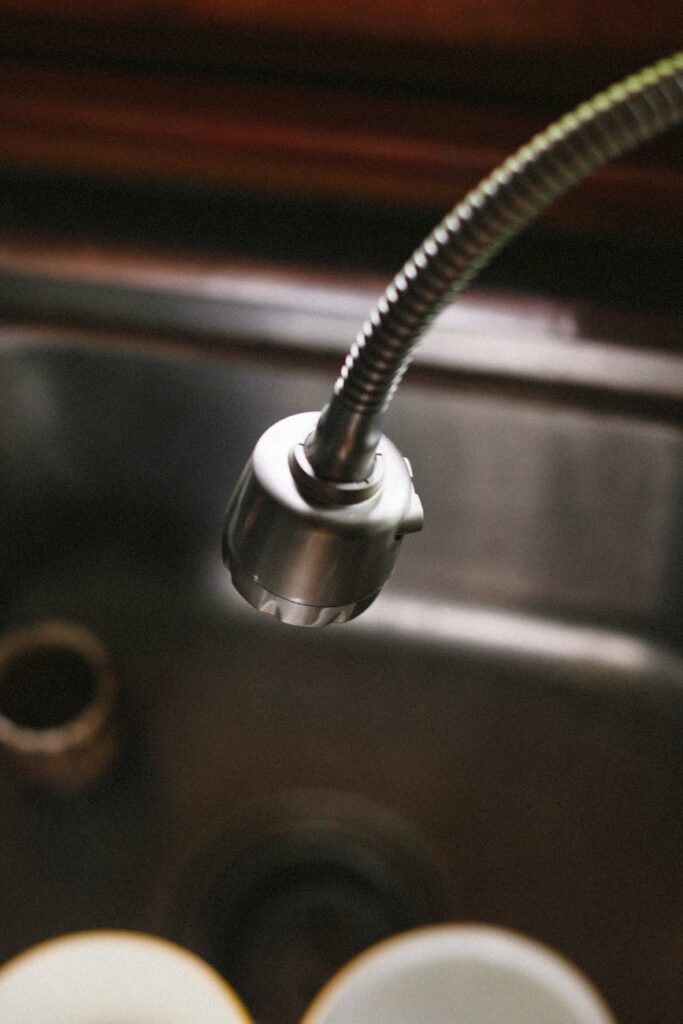
Kitchen Faucet Mold Odours Guide Part 1
Introduction
Kitchen faucets are essential for daily cooking and cleaning, but they can also become a breeding ground for mold and unpleasant odours. Mold thrives in warm, damp environments, making the area around your faucet an ideal habitat. This guide will help you understand the causes of these odours, how to address them, and most importantly, how to prevent them from coming back.
What Causes Odours?
The foul smells emanating from your kitchen faucet often stem from mold and mildew growth. These fungi thrive in moisture-rich areas, and when combined with food particles or mineral deposits, they create a breeding ground for bacteria. Common causes include:
- Stagnant Water: Water left sitting in the faucet or pipes can develop a musty smell.
- Food Residue: Tiny food particles can get trapped in the faucet, leading to odour issues.
- Hard Water Deposits: Mineral buildup from hard water can provide a surface for mold to cling to.
- Poor Ventilation: Insufficient airflow can increase humidity around the faucet, encouraging mold growth.
- Condensation: When hot water meets cold surfaces, condensation forms, creating moisture.
- Neglected Cleaning: Regular cleaning is necessary to keep mold and bacteria at bay. Skipping this task allows them to thrive.
- Old or Damaged Fixtures: Worn-out faucets can trap water and debris, making them more susceptible to mold.
- White vinegar
- Baking soda
- Dish soap
- A soft brush or toothbrush
- Microfiber cloths
- A spray bottle
- Ignoring Hidden Areas: Mold often hides in less visible places. Don’t forget to clean behind and under the faucet.
- Using Abrasive Cleaners: Harsh chemicals can damage your faucet. Stick to gentle cleaning solutions.
- Not Rinsing Properly: Residual cleaning agents can attract more dirt and mold.
- Neglecting Regular Maintenance: Regular cleaning is essential to prevent mold from returning.
- Regular Cleaning: Clean your faucet at least once a week to prevent buildup.
- Dry After Use: Wipe down the faucet and surrounding areas after use to eliminate moisture.
- Improve Ventilation: Ensure your kitchen is well-ventilated to minimize humidity levels.
- Use a Water Softener: If you have hard water, consider installing a water softener to reduce mineral deposits.
Why This Problem Happens
Understanding why odours occur is crucial for effective cleaning. The kitchen is a humid area due to cooking and washing dishes, which can cause:
How to Fix Odours (Step-by-Step)
If you notice a mouldy smell, follow these steps to eliminate it effectively.
Step 1: Gather Your Supplies
You’ll need:
Step 2: Turn Off the Water Supply
Before starting your cleaning, turn off the water supply to avoid any mess. Look for the shut-off valves under the sink.
Step 3: Disassemble the Faucet
Remove any detachable parts of the faucet, such as aerators or handles, to clean them separately. Refer to your faucet’s manual for guidance.
Step 4: Clean with Vinegar
Fill a spray bottle with white vinegar and spray all parts of the faucet. Allow it to sit for 10-15 minutes to break down mold and mineral deposits.
Step 5: Scrub the Faucet
Using a soft brush or toothbrush, scrub the faucet thoroughly. Pay special attention to crevices where mold tends to hide. For stubborn spots, sprinkle baking soda on the brush for extra cleaning power.
Step 6: Rinse and Dry
Rinse all parts with warm water and dry them with a microfiber cloth. Make sure no vinegar or baking soda residue remains.
Step 7: Reassemble the Faucet
Once everything is clean and dry, reassemble the faucet. Turn the water supply back on and check for any leaks.
Best Cleaning Methods
Different methods suit different situations. Here are some effective cleaning options for kitchen faucet mold odours:
1. Vinegar and Baking Soda
A natural and effective method. Combine equal parts of vinegar and baking soda to create a paste. Apply it to the affected areas, let it sit for 15 minutes, then scrub and rinse.
2. Hydrogen Peroxide
For tougher mould stains, hydrogen peroxide can be effective. Spray it on the mold, let it sit for about 10 minutes, then scrub and rinse.
3. Commercial Cleaners
If natural methods fail, consider using commercial cleaning solutions designed for mold removal. Always follow the manufacturer’s instructions and wear gloves for safety.
Common Mistakes to Avoid
Avoiding these pitfalls can make your cleaning efforts more effective:
Prevention Tips
Taking proactive measures can significantly reduce the chances of mold and odours returning. Here are some tips:
Frequently Asked Questions
1. How often should I clean my kitchen faucet?
Aim to clean your kitchen faucet at least once a week to prevent mold and odours.
2. Can I use bleach to clean my faucet?
While bleach is effective against mold, it can damage some faucet finishes. It’s better to use vinegar or a commercial cleaner designed for kitchen use.
3. What if the smell persists after cleaning?
If the smell continues, there may be mold in the pipes. Consider calling a plumber to investigate.
4. Is it safe to use vinegar on all types of faucets?
Vinegar is generally safe for most faucets, but always check the manufacturer’s guidelines, especially for brass or natural stone finishes.
5. How can I tell if there’s mold in my faucet?
Signs of mold include visible dark spots and a musty smell. If you see either, it’s time to clean.
6. What if I have allergies?
If you have allergies, consider wearing a mask and gloves while cleaning to avoid exposure to mold spores.
By following the steps outlined in this guide, you can effectively tackle kitchen faucet mold odours and enjoy a cleaner, fresher kitchen space. Stay tuned for Part 2, where we’ll explore more in-depth strategies for long-term prevention and maintenance.