
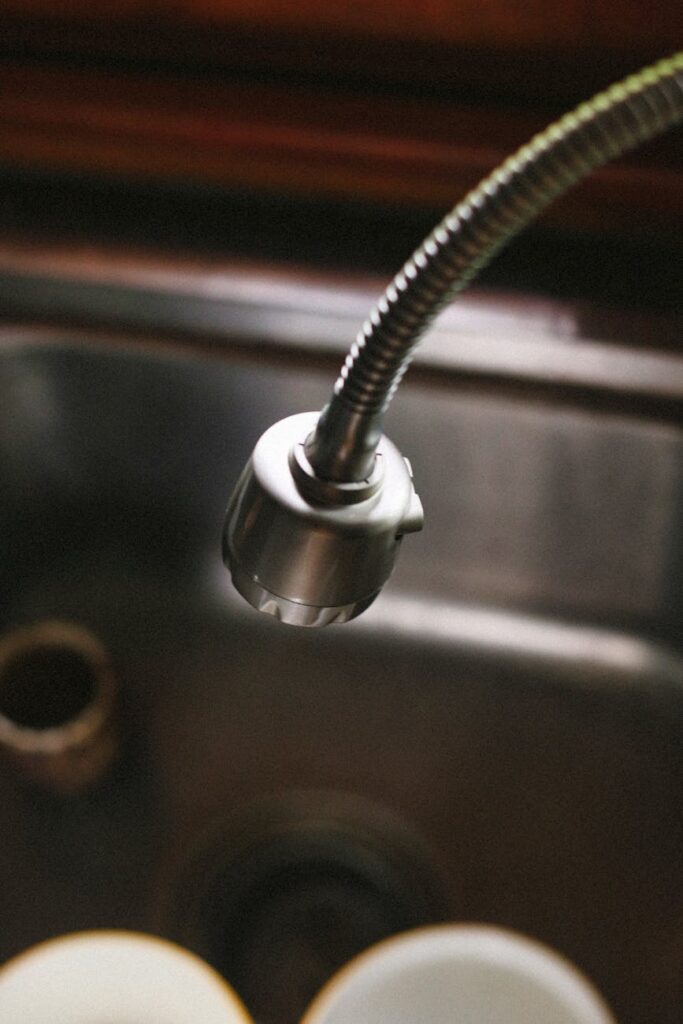
Kitchen Faucet Mold: Mould & Damp Guide Part 2
Introduction
Mould and dampness around your kitchen faucet can be more than just an eyesore; it can lead to unpleasant odors and even affect your home’s air quality. This guide will provide you with practical solutions, cleaning methods, and preventive measures to tackle mould and damp issues effectively. Let’s dive right into understanding the causes and how to combat this common household problem.
What Causes Mould & Damp?
Mould thrives in moist environments, making your kitchen faucet an ideal breeding ground. The most common causes of mould and damp in this area include:
1. Excess Moisture: Water splashes from the faucet can create a damp environment.
2. Poor Ventilation: Kitchens that lack proper airflow can trap humidity.
3. Leaky Faucets: Continuous leaks can lead to stagnant water, encouraging mould growth.
4. Food Residue: Organic matter left on surfaces can attract mould spores.
5. Infrequent Cleaning: Neglecting regular cleaning allows mould to take hold.
Why This Problem Happens
Mould and dampness occur when moisture levels exceed what can be absorbed or evaporated. In kitchens, the combination of water usage, steam from cooking, and inadequate ventilation creates a perfect storm for mould growth. Additionally, areas around the faucet often remain damp due to constant exposure to water, making them susceptible to fungal growth.
How to Fix Mould & Damp (Step-by-Step)
Step 1: Gather Your Supplies
Before you start cleaning, make sure you have the following items:
- Protective gloves and mask
- Scrub brush or sponge
- Bucket
- White vinegar or bleach
- Baking soda (optional)
- Old toothbrush (for tight spots)
- Microfiber cloths
Step 2: Turn Off the Water Supply
To prevent any accidental leaks while cleaning, turn off the water supply to your faucet. This ensures a dry work environment and helps you thoroughly clean the area.
Step 3: Remove Loose Mould
Use a dry cloth to wipe away any loose mould and damp residue around the faucet. Be careful not to spread spores to other areas.
Step 4: Create a Cleaning Solution
Mix equal parts of white vinegar and water in a spray bottle or bucket. For tougher mould, you can use a diluted bleach solution (1 part bleach to 10 parts water). Remember, bleach can damage some surfaces, so test a small area first.
Step 5: Apply the Solution
Spray your cleaning solution generously on the affected areas. Let it sit for at least 10-15 minutes to penetrate the mould.
Step 6: Scrub the Area
Using a scrub brush or sponge, scrub the area thoroughly. Pay special attention to crevices where mould is likely to hide. An old toothbrush can be very effective for tight spots.
Step 7: Rinse and Dry
After scrubbing, rinse the area with clean water to remove any cleaning solution. Use a microfiber cloth to dry the surfaces completely. This step is crucial to prevent mould from returning.
Step 8: Inspect for Leaks
Check your faucet for any leaks. If you find any, repair them promptly to eliminate moisture accumulation.
Best Cleaning Methods
1. Vinegar Solution: A natural disinfectant that kills most mould types.
2. Baking Soda Paste: Mix baking soda with water to create a paste. Apply it on mould spots and scrub after 15 minutes.
3. Bleach Solution: Effective for severe mould cases, but use with caution and ensure proper ventilation.
4. Commercial Mould Removers: If natural methods aren’t working, consider a commercially available mould remover.
Common Mistakes to Avoid
1. Using Too Much Water: Excess water during cleaning can contribute to dampness.
2. Neglecting Ventilation: Failing to air out the kitchen can worsen mould problems.
3. Ignoring Leaks: Small leaks can lead to bigger mould issues if not addressed.
4. Not Following Up: Regular maintenance is key; don’t wait until mould reappears.
5. Using Harsh Chemicals: Some chemicals can damage your faucet’s finish.
Prevention Tips
1. Regular Cleaning: Clean the faucet area weekly to prevent mould buildup.
2. Improve Ventilation: Use exhaust fans or open windows while cooking to reduce humidity.
3. Wipe Down Surfaces: After using the faucet, wipe down surfaces to remove moisture.
4. Fix Leaks Quickly: Address any leaks immediately to prevent water accumulation.
5. Use a Dehumidifier: In high-humidity areas, a dehumidifier can help keep moisture levels down.
Frequently Asked Questions
1. How often should I clean my kitchen faucet to prevent mould?
Aim to clean your kitchen faucet and the surrounding area at least once a week to keep mould at bay.
2. Can I use essential oils to combat mould?
While some essential oils have antifungal properties, they should not replace standard cleaning methods. Use them as a supplementary measure.
3. Is bleach safe for all types of faucets?
No, bleach can damage certain finishes. Always check the manufacturer’s recommendations before using it.
4. What should I do if mould returns after cleaning?
If mould returns, reassess your cleaning methods, check for hidden leaks, and improve ventilation to reduce moisture.
5. Can mould affect my health?
While this guide doesn’t provide medical advice, prolonged exposure to mould can be problematic for some individuals. Consult a professional if you have concerns.
6. Are there any natural alternatives to commercial mould removers?
Yes, vinegar and baking soda are excellent natural alternatives that can effectively tackle mould.
By following this guide, you can effectively combat mould and dampness around your kitchen faucet, ensuring a cleaner and healthier home. Regular maintenance and vigilance are your best allies in this ongoing battle.