
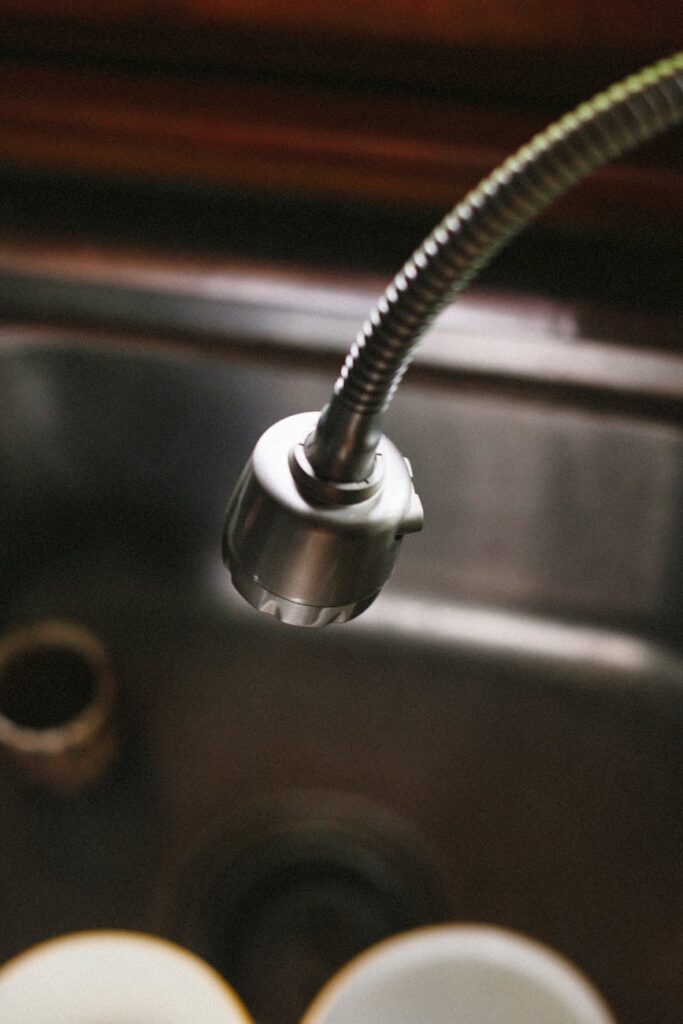
Kitchen Faucet Mold Laundry Guide Part 1
Introduction
Finding mold in your kitchen faucet can be a frustrating experience. It’s unsightly and can even lead to health concerns if not addressed promptly. In this guide, we’ll explore what causes mold, why it happens, and how to effectively clean it. We’ll also cover common mistakes to avoid and tips for prevention. Let’s dive in!
What Causes Laundry?
When we refer to “laundry” in the context of kitchen faucet mold, we’re talking about the accumulation of mold and mildew in the crevices and components of your faucet. This issue is often exacerbated by factors such as:
- Moisture: The kitchen is typically a humid environment, especially around the sink.
- Poor ventilation: Lack of airflow can trap moisture, creating a perfect breeding ground for mold.
- Organic material: Soap scum, food particles, and grease can provide nutrients for mold growth.
- Rubber gloves
- A soft brush or old toothbrush
- Cleaning cloths
- White vinegar
- Baking soda
- Spray bottle
- Dish soap
- Water
Why This Problem Happens
Understanding why mold forms on your kitchen faucet is crucial for effective cleaning. The following factors contribute to the problem:
1. Humidity: High humidity levels in the kitchen can lead to condensation on surfaces, promoting mold growth.
2. Infrequent Cleaning: If your faucet isn’t regularly cleaned, soap residue, food particles, and water stains can accumulate.
3. Water Quality: Hard water can leave mineral deposits that trap moisture, leading to mold.
4. Old Faucets: Older faucets may have cracks or crevices that harbor mold.
How to Fix Laundry (Step-by-Step)
Cleaning mold from your kitchen faucet is a straightforward process. Follow these steps for effective results:
Step 1: Gather Your Supplies
You’ll need:
Step 2: Prepare Your Cleaning Solution
1. Vinegar Solution: Mix equal parts of white vinegar and water in a spray bottle. This natural solution is effective for removing mold.
2. Baking Soda Paste: If the mold is stubborn, make a paste of baking soda and water.
Step 3: Apply the Cleaning Solution
1. Spray the Vinegar Solution: Generously spray the vinegar solution on the affected areas of the faucet. Let it sit for 10-15 minutes to loosen the mold.
2. Scrub with a Brush: Use a soft brush or toothbrush to scrub the mold away. Pay special attention to crevices and areas where water tends to collect.
Step 4: Rinse Thoroughly
After scrubbing, rinse the faucet with warm water to remove any residue from the cleaning solutions.
Step 5: Dry Completely
Use a clean cloth to dry the faucet. This step is crucial to prevent mold from returning.
Best Cleaning Methods
Different cleaning methods can be effective against kitchen faucet mold. Here are some of the best options:
1. Vinegar and Baking Soda
The combination of vinegar and baking soda creates a powerful reaction that can break down mold. Use it on stubborn stains for best results.
2. Hydrogen Peroxide
For more severe cases, hydrogen peroxide can be an effective mold killer. Spray it on affected areas, let it sit for 10 minutes, and wipe clean.
3. Commercial Mold Cleaners
If natural solutions don’t work, consider using a commercially available mold cleaner. Always follow the manufacturer’s instructions and ensure the area is well-ventilated.
Common Mistakes to Avoid
While cleaning mold from your kitchen faucet, be mindful of these common mistakes:
1. Not Wearing Gloves: Mold can be harmful; always protect your skin.
2. Using Abrasive Tools: Avoid steel wool or harsh scrubbers, as they can scratch the faucet’s surface.
3. Skipping Rinsing: Failing to rinse the cleaning solution can leave residues that attract more dirt and mold.
4. Neglecting Regular Maintenance: Don’t wait for mold to appear; clean your faucet regularly to prevent build-up.
Prevention Tips
Preventing mold from returning is just as important as cleaning it. Here are some effective prevention tips:
1. Regular Cleaning: Clean your faucet weekly with a vinegar solution to keep mold at bay.
2. Improve Ventilation: Ensure your kitchen is well-ventilated to reduce humidity.
3. Wipe Down Surfaces: After washing dishes, dry the faucet and surrounding areas to remove moisture.
4. Check for Leaks: Repair any leaks promptly, as they contribute to excess moisture.
5. Use a Dehumidifier: If your kitchen is particularly humid, consider using a dehumidifier.
Frequently Asked Questions
1. How often should I clean my kitchen faucet to prevent mold?
Aim to clean your faucet weekly or bi-weekly, depending on the humidity and usage levels in your kitchen.
2. Can I use bleach to clean mold from my faucet?
While bleach can kill mold, it can also corrode metal and plastic parts. It’s best to stick with vinegar or baking soda for safer cleaning.
3. Is mold on my faucet dangerous?
While not all mold is harmful, it can trigger allergies or respiratory issues. It’s best to clean it promptly to minimize risks.
4. What if the mold keeps returning?
If mold keeps returning, check for underlying issues like leaks or poor ventilation, which may need to be addressed.
5. Can I use a pressure washer to clean my faucet?
No, pressure washers can cause damage to faucets and should not be used for this purpose.
6. Do I need special cleaning products for mold?
Not necessarily. Many household items like vinegar and baking soda are effective against mold. However, commercial cleaners can be used if natural methods fail.
By following this guide, you can effectively tackle kitchen faucet mold and keep your kitchen clean and safe. Stay tuned for Part 2, where we’ll delve deeper into advanced cleaning techniques and long-term maintenance strategies!