
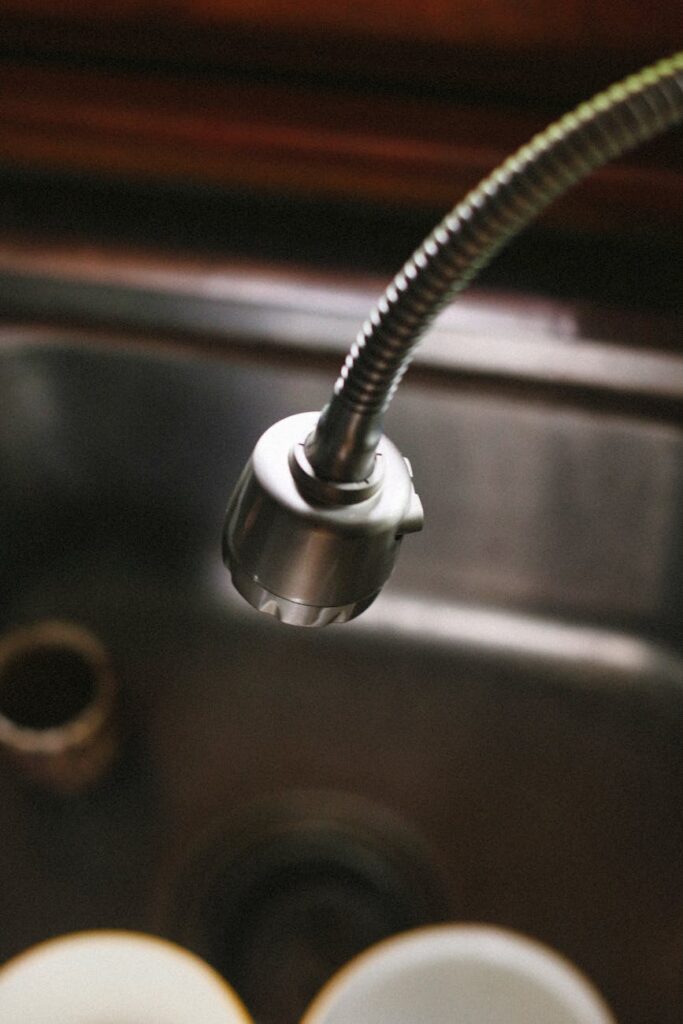
Kitchen Faucet Mold Kitchen Guide Part 2
Introduction
Mold around kitchen faucets is not just an unsightly problem; it can also pose hygiene risks. If left unchecked, mold can spread and create a more significant cleaning challenge. In this guide, we will explore what causes kitchen faucet mold, how to fix it, best cleaning methods, common mistakes to avoid, and tips to prevent its recurrence.
What Causes Kitchen Faucet Mold?
Kitchen faucet mold typically thrives in damp environments. The primary factors contributing to its growth include:
- Moisture: Water splashes around the faucet create a humid environment, perfect for mold.
- Food Residue: Leftover food particles can provide nutrients for mold growth.
- Poor Ventilation: Kitchens that lack proper airflow can trap humidity, encouraging mold.
- Temperature Fluctuations: Warm temperatures can speed up mold growth, especially in areas with high humidity.
- Frequent Use and Splashing: Every time you wash dishes or rinse fruits, water splashes around the faucet, creating a moist environment.
- Infrequent Cleaning: If the faucet and surrounding areas are not regularly cleaned, mold can establish itself.
- Neglecting the Base and Surrounding Areas: The area where the faucet meets the sink is often missed during cleaning routines, allowing mold to flourish.
- Rubber gloves
- Mask (optional)
- Cleaning brush or old toothbrush
- Soft cloths
- Spray bottle
- White vinegar
- Baking soda
- Mild dish soap
- Hydrogen peroxide (optional)
- Vinegar Solution: Fill a spray bottle with equal parts white vinegar and water. Vinegar is effective at killing mold.
- Baking Soda Paste: Mix baking soda with a small amount of water to create a paste for scrubbing.
- Vinegar and Water: A natural and effective method for killing mold. Its acidity helps break down mold spores without harsh chemicals.
- Baking Soda: Acts as a gentle abrasive and deodorizer, making it ideal for scrubbing.
- Hydrogen Peroxide: A more potent solution for stubborn mold; however, it should be used with care as it can bleach surfaces.
- Regular Cleaning: Clean the faucet and surrounding areas at least once a week using vinegar or a mild dish soap solution.
- Improve Ventilation: Ensure your kitchen is well-ventilated by using exhaust fans or opening windows during cooking.
- Wipe Up Spills Immediately: After washing dishes or food prep, quickly wipe down the faucet and sink area.
- Use a Dehumidifier: If humidity is an ongoing issue, consider using a dehumidifier to reduce moisture levels.
Understanding these causes is essential in tackling the problem effectively.
Why This Problem Happens
Mold growth around kitchen faucets often occurs due to a combination of the factors mentioned above. For example:
Addressing these underlying causes is key to effective mold removal.
How to Fix Kitchen Faucet Mold (Step-by-Step)
Step 1: Gather Your Supplies
Before you start, collect the following items:
Step 2: Turn Off Water Supply
To prevent any accidental splashes, turn off the water supply to the faucet.
Step 3: Remove Loose Mold
Wearing gloves, use a dry cloth or paper towel to wipe away any loose mold from the faucet and surrounding areas. Dispose of the cloth immediately.
Step 4: Prepare Your Cleaning Solution
Step 5: Apply the Cleaning Solution
1. Spray the Vinegar Solution: Spray the affected areas generously and let it sit for at least 10-15 minutes.
2. Scrub with the Baking Soda Paste: Apply the paste to stubborn mold spots and scrub gently with a brush or toothbrush.
Step 6: Rinse Thoroughly
Rinse the faucet and surrounding areas with warm water to remove any cleaning residue.
Step 7: Dry Completely
Use a clean, dry cloth to wipe down the faucet and surrounding areas. Ensure everything is thoroughly dried to prevent mold from returning.
Step 8: Check for Further Issues
Inspect the faucet and surrounding areas for signs of leaks or ongoing moisture, which may need to be addressed to prevent further mold growth.
Best Cleaning Methods
Common Mistakes to Avoid
1. Using Harsh Chemicals: Avoid bleach or strong chemicals that can damage finishes or create harmful fumes.
2. Not Drying the Area: Failing to dry the faucet properly can lead to a quick return of mold.
3. Ignoring the Surrounding Areas: Mold can thrive in hidden spots. Always clean the entire area around the faucet.
4. Infrequent Cleaning: Establish a regular cleaning schedule to keep mold at bay.
Prevention Tips
Frequently Asked Questions
1. How often should I clean my kitchen faucet to prevent mold?
Aim for at least once a week to keep mold at bay. Increase the frequency if you notice frequent splashes or humidity.
2. Can I use bleach to remove mold from my faucet?
It’s not recommended. Bleach can damage the faucet’s finish and create harmful fumes. Opt for vinegar or baking soda instead.
3. What if the mold keeps coming back?
If mold persists, check for leaks or persistent moisture sources. Addressing these underlying issues is crucial for long-term prevention.
4. Is mold on my faucet dangerous?
While kitchen faucet mold is a common nuisance, it can be harmful if it spreads. Regular cleaning can mitigate health risks.
5. Can I prevent mold without chemical cleaners?
Yes, using natural solutions like vinegar and baking soda is highly effective and safe for regular use.
6. What type of faucet is more resistant to mold?
Faucets with non-porous finishes, such as stainless steel or chrome, are generally more resistant to mold growth compared to porous materials.
By following these practical steps and tips, you can keep your kitchen faucet clean and mold-free, ensuring a healthier environment in your home. Regular maintenance is key to preventing this common problem from returning.