
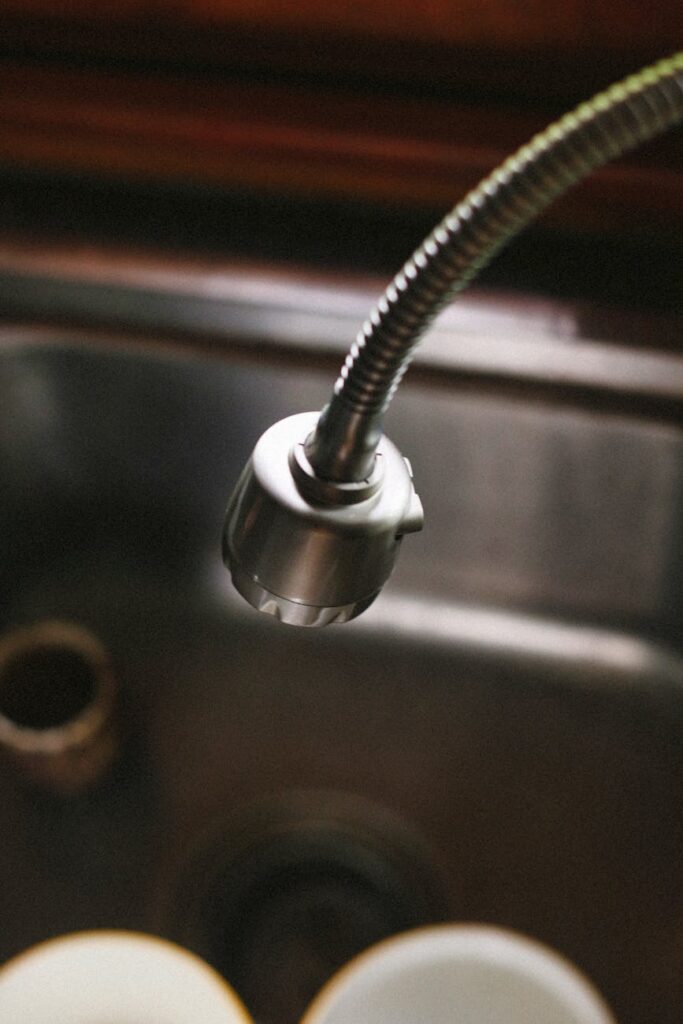
Kitchen Faucet Mold Kitchen Guide Part 1
Introduction
Kitchen faucets, though essential for daily tasks, can sometimes become a breeding ground for mold. This unsightly and potentially harmful growth can affect the cleanliness of your kitchen and even the quality of your water. In this guide, we’ll explore what causes mold around kitchen faucets, how to effectively clean it, and how to prevent it from returning.
What Causes Kitchen Faucet Mold?
Mold thrives in damp environments, and the kitchen is a prime location due to frequent water use. Here are some common reasons for mold growth around your kitchen faucet:
1. Water Leaks: Even small leaks can create a moist environment perfect for mold.
2. Poor Ventilation: Kitchens that lack proper airflow retain humidity, encouraging mold growth.
3. Food Particles: Leftover food or grime around the faucet can also provide nutrients for mold.
4. Hard Water: Mineral deposits from hard water can trap moisture, making it easier for mold to grow.
Why This Problem Happens
Understanding why mold develops around your kitchen faucet can help you address the issue effectively. Here are some contributing factors:
- Humidity: Kitchens often have higher humidity levels, especially when cooking. This moisture can settle around the faucet.
- Neglected Cleaning: Regular cleaning is essential. If the faucet and surrounding areas are not cleaned often, mold can quickly take hold.
- Inadequate Maintenance: Failing to address leaks or drips allows water to accumulate, creating an ideal breeding ground for mold.
- Rubber gloves
- Face mask (optional)
- Mild dish soap
- White vinegar
- Baking soda
- Old toothbrush or soft scrub brush
- Sponge or cloth
- Spray bottle
- Turn off the water supply to your faucet.
- Remove any items from around the faucet area to have a clear workspace.
- Mix equal parts of white vinegar and water in a spray bottle.
- For tougher mold, mix baking soda with a little water to form a paste.
- Spray the vinegar solution generously on the moldy areas around the faucet.
- Let it sit for about 10 minutes to penetrate and loosen the mold.
- Use the old toothbrush or scrub brush to gently scrub the moldy areas.
- For persistent mold, apply the baking soda paste directly to the affected areas and scrub again.
- Wipe down the faucet and surrounding area with a damp sponge or cloth to remove any residue.
- Ensure no cleaning solution remains, as it can attract more dirt.
- Use a clean, dry cloth to thoroughly dry the faucet and surrounding surfaces.
- This step is crucial in preventing mold from re-establishing.
How to Fix Kitchen Faucet Mold (Step-by-Step)
Removing mold from your kitchen faucet is a straightforward process. Here’s how to do it:
Step 1: Gather Your Supplies
Step 2: Prepare the Area
Step 3: Create a Cleaning Solution
Step 4: Apply the Cleaning Solution
Step 5: Scrub the Area
Step 6: Rinse Thoroughly
Step 7: Dry the Area
Best Cleaning Methods
Different cleaning methods can be effective for removing mold from kitchen faucets. Here are some of the most effective techniques:
1. White Vinegar: Natural and effective, vinegar kills most types of mold. It’s safe for most surfaces and leaves no harmful residue.
2. Baking Soda Paste: This gentle abrasive can scrub away stubborn mold without scratching surfaces.
3. Bleach Solution: If the mold is particularly stubborn, a diluted bleach solution can be effective. However, it should be used sparingly and always rinsed off thoroughly.
4. Commercial Mold Cleaners: There are many products available specifically designed for mold removal. Choose one that is safe for kitchen use.
Common Mistakes to Avoid
Cleaning mold can be straightforward, but several common mistakes can hinder your efforts:
1. Using Too Much Water: Excessive water can encourage further mold growth. Always dry the area thoroughly after cleaning.
2. Ignoring Leaks: Failing to fix leaks will allow mold to return quickly. Always address any plumbing issues immediately.
3. Using Harsh Chemicals: While some harsh chemicals can kill mold, they can also damage your faucet finish. Stick to gentler methods whenever possible.
4. Neglecting Regular Cleaning: Mold can return quickly if not regularly cleaned. Make it a habit to check and clean around your faucet.
Prevention Tips
Preventing mold around your kitchen faucet requires a proactive approach. Here are some tips to keep your faucet mold-free:
1. Regular Cleaning: Clean your faucet and the surrounding area at least once a week to prevent mold buildup.
2. Fix Leaks Promptly: Regularly check for leaks and fix them immediately to eliminate moisture.
3. Improve Ventilation: Use exhaust fans while cooking and keep windows open when possible to reduce humidity.
4. Wipe Down Surfaces: After using the faucet, wipe it down to eliminate moisture and prevent mold growth.
5. Use a Water Softener: If you have hard water, consider using a water softener to reduce mineral deposits.
Frequently Asked Questions
1. Can mold on my faucet affect my health?
Yes, mold can cause respiratory issues and allergies in some individuals. It’s essential to clean it regularly.
2. How often should I clean my kitchen faucet?
Ideally, clean your kitchen faucet and the surrounding area at least once a week.
3. What is the best product for removing mold from faucets?
White vinegar is one of the best natural products, but commercial mold cleaners can also be effective.
4. Can I use bleach to clean mold?
Yes, but use it as a last resort and always dilute it. Rinse thoroughly afterwards.
5. Why does mold keep coming back?
Mold often returns due to lingering moisture, leaks, or inadequate cleaning. Address the root cause to prevent recurrence.
6. Is it safe to use vinegar around food?
Yes, vinegar is safe for kitchen use and is often used as a natural cleaning agent.
By following the steps outlined in this guide, you can effectively tackle kitchen faucet mold, maintain a clean environment, and prevent future growth. Keep your kitchen safe and healthy with these simple cleaning and prevention tips.