
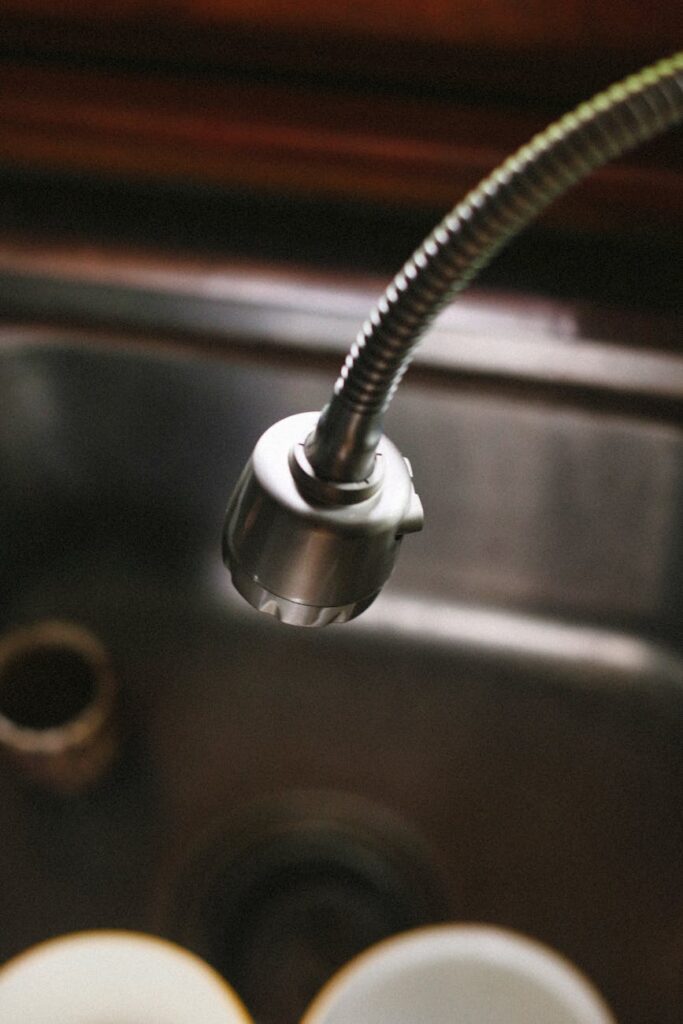
Kitchen Faucet Mold Cleaning Guide Part 2
Introduction
Finding mold on your kitchen faucet can be unsettling. Not only does it look unsightly, but it can also be a sign of underlying issues with cleanliness and moisture. In this guide, we’ll delve into what causes mold, why it develops on kitchen faucets, and how to effectively clean it. You’ll also discover prevention tips and common mistakes to avoid to keep your faucet clean and mold-free.
What Causes Mold?
Mold thrives in damp, dark environments. In the kitchen, faucets often become breeding grounds due to:
- Moisture: Water splashes and drips create a perfect habitat for mold.
- Food Particles: Residue from cooking can accumulate around the faucet, providing nutrients for mold.
- Poor Ventilation: Lack of airflow allows humidity to linger, promoting mold growth.
- Rubber gloves
- Soft sponge or cloth
- Old toothbrush (for hard-to-reach areas)
- White vinegar or hydrogen peroxide
- Baking soda (optional)
- Spray bottle
- Clean water
- Paper towels or a dry cloth
- Vinegar Solution: Mix equal parts of white vinegar and water in a spray bottle.
- Hydrogen Peroxide: Alternatively, use undiluted hydrogen peroxide for a stronger solution.
- Baking Soda Paste (optional): Mix baking soda with a little water to create a paste for scrubbing.
- Spray the vinegar or hydrogen peroxide solution generously on the moldy areas of the faucet.
- Let it sit for 10-15 minutes to penetrate and kill the mold.
- Use the sponge or cloth to scrub the faucet, paying special attention to any crevices where mold may hide.
- For stubborn spots, apply the baking soda paste and use an old toothbrush to scrub gently.
- Rinse the faucet with clean water to remove the cleaning solution and any dislodged mold.
- Wipe it down with a dry cloth or paper towel to remove excess moisture.
- White Vinegar: A natural disinfectant that kills mold spores without harmful chemicals.
- Hydrogen Peroxide: An effective mold killer, ideal for tougher stains.
- Baking Soda: Great for scrubbing, it also acts as a deodorizer.
- Not Wearing Gloves: Protect your hands from harsh chemicals or mold exposure.
- Using Abrasive Cleaners: Avoid steel wool or harsh scrubbing pads, which can scratch the faucet’s surface.
- Skipping Drying: Mold thrives in moisture; ensure the faucet is properly dried after cleaning.
- Neglecting Regular Maintenance: Cleaning sporadically can allow mold to return.
- Regular Cleaning: Make cleaning your faucet part of your routine. Wipe it down weekly to remove moisture and food residue.
- Improve Ventilation: Open windows or use exhaust fans while cooking to reduce humidity.
- Seal Gaps: Check for leaks around the faucet and fix any issues promptly to minimize moisture.
- Use a Squeegee: After washing dishes, use a squeegee to remove excess water from the faucet.
Why This Problem Happens
Understanding why mold develops on kitchen faucets can help you tackle the issue effectively. Mold spores are ubiquitous in our environment; they only need the right conditions to flourish. In kitchens, the combination of high humidity from cooking and cleaning, along with food residue, creates an ideal environment for mold to grow.
Additionally, if your faucet is not regularly cleaned, it can become a prime target for mold. The rubber seals and crevices are particularly vulnerable as they often retain moisture and debris.
How to Fix Mold (Step-by-Step)
Cleaning mold from your kitchen faucet doesn’t have to be a daunting task. Follow these simple steps for effective removal:
Step 1: Gather Your Supplies
You will need:
Step 2: Prepare the Cleaning Solution
Step 3: Apply the Solution
Step 4: Scrub the Affected Areas
Step 5: Rinse Thoroughly
Step 6: Dry Completely
Ensure the faucet is completely dry to prevent mold from returning.
Best Cleaning Methods
For effective mold removal, consider these methods:
Commercial Cleaners
If you prefer commercial options, look for products labeled as mold removers or kitchen cleaners. Always follow the manufacturer’s instructions for safe use.
Common Mistakes to Avoid
When cleaning mold from your kitchen faucet, avoid these mistakes:
Prevention Tips
To keep your kitchen faucet mold-free, implement these preventative measures:
Frequently Asked Questions
1. How often should I clean my kitchen faucet?
Aim to clean your kitchen faucet at least once a week to prevent mold and buildup.
2. Can I use bleach to clean mold on my faucet?
While bleach can kill mold, it’s not recommended for faucets as it may damage the finish. Stick to vinegar or hydrogen peroxide for safer options.
3. What if the mold returns after cleaning?
If mold returns quickly, it may indicate a persistent moisture issue. Check for leaks and improve ventilation in your kitchen.
4. Is mold on my faucet harmful?
While it’s not typically harmful in small amounts, mold can lead to health issues if left unchecked. It’s best to clean it promptly.
5. Can I use a toothbrush for cleaning?
Yes, an old toothbrush is ideal for scrubbing hard-to-reach areas of your faucet without scratching it.
6. What’s the best way to store cleaning supplies?
Store cleaning solutions in a cool, dry place away from direct sunlight to maintain their effectiveness.
By following this guide, you can eliminate mold from your kitchen faucet and keep it pristine. Regular maintenance and preventive measures will ensure your kitchen remains clean and inviting.