
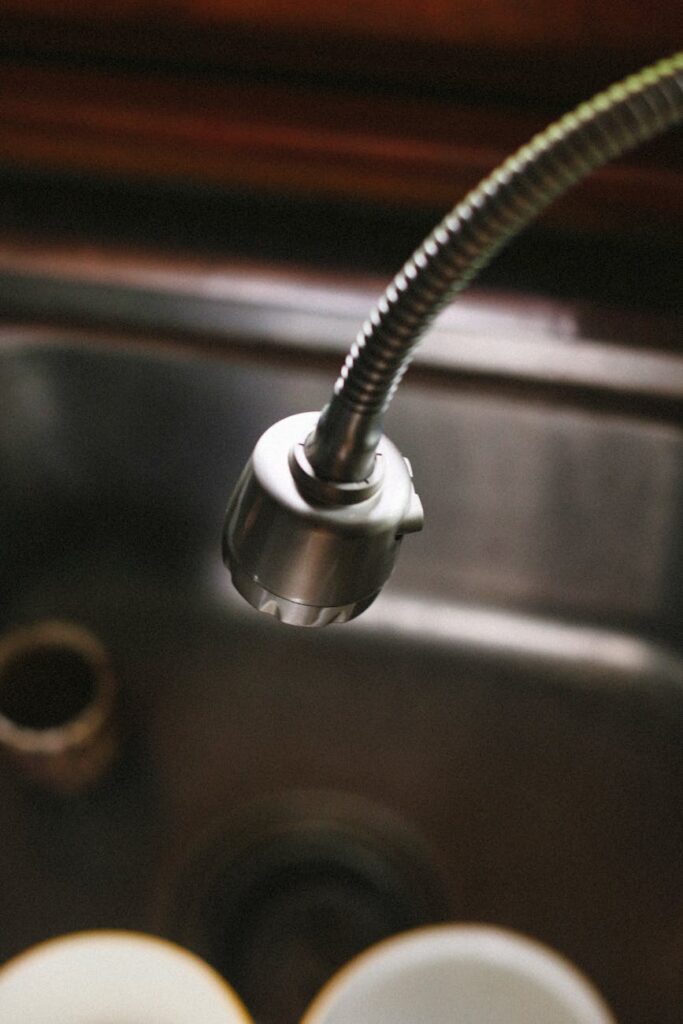
Kitchen Faucet Mold Bathroom Guide Part 1
Introduction
Finding mold around your kitchen faucet can be unsettling. This common issue isn’t just unsightly; it can also lead to unpleasant odors and potential health risks. In this guide, we will explore what causes mold around your kitchen faucet, how to fix it, and tips for prevention. Let’s dive into the details to ensure your kitchen remains clean and safe.
What Causes Bathroom Mold?
Mold thrives in damp and humid environments, making kitchens an ideal breeding ground. Specifically, the area around your kitchen faucet can accumulate moisture from splashes, drips, and condensation. Here are the main contributors to mold growth near your faucet:
- Excessive Moisture: Water that doesn’t dry up can create a perfect environment for mold.
- Poor Ventilation: Lack of airflow exacerbates humidity levels, encouraging mold proliferation.
- Food Particles: Food residue can provide nutrients for mold to grow.
- Old Fixtures: Aging faucets may leak, allowing moisture to persist.
- Rubber gloves
- Mask
- Sponge or scrub brush
- Bucket
- Spray bottle
- Cleaning solution (vinegar, baking soda, or commercial mold remover)
- Old toothbrush (for crevices)
- Vinegar and Water: A 50/50 mixture is excellent for regular cleaning and mold removal.
- Baking Soda Scrub: A paste made from baking soda and water can effectively tackle tougher mold spots.
- Commercial Mold Removers: If natural methods fail, consider using a commercial mold remover. Always follow the manufacturer’s instructions.
- Neglecting Safety Gear: Always wear gloves and a mask to protect yourself from mold spores.
- Using Bleach: While bleach can kill mold, it may not prevent it from returning and can damage your fixtures.
- Not Drying Thoroughly: Failing to dry the area can lead to immediate regrowth of mold.
- Ignoring the Source: Don’t just clean the surface; address any leaks or humidity issues.
Why This Problem Happens
Understanding why mold occurs is the first step to tackling the problem. Here are the key reasons:
1. Leaky Faucets: Even minor leaks can create enough moisture for mold to thrive.
2. High Humidity: Kitchens often have higher humidity levels, especially when cooking without proper ventilation.
3. Infrequent Cleaning: Neglecting regular cleaning can lead to the accumulation of mold and grime.
4. Temperature Fluctuations: Warm environments can encourage mold growth, particularly when paired with moisture.
How to Fix Bathroom Mold (Step-by-Step)
Removing mold from around your kitchen faucet requires a systematic approach. Follow these steps to ensure thorough cleaning:
Step 1: Gather Your Supplies
Before starting, gather the necessary supplies:
Step 2: Turn Off the Water Supply
To avoid further mess, turn off the water supply to your faucet. This can usually be done by locating the shut-off valves under the sink.
Step 3: Apply Cleaning Solution
1. Vinegar Solution: Fill a spray bottle with white vinegar and spray the affected area generously.
2. Baking Soda Paste: For stubborn mold, mix baking soda with water to form a paste. Apply it directly to the moldy spots.
Step 4: Scrub the Area
Using a sponge or scrub brush, scrub the moldy areas. Be sure to pay special attention to crevices where mold tends to hide.
Step 5: Rinse Thoroughly
After scrubbing, rinse the area with clean water to remove any remaining cleaning solution and mold particles.
Step 6: Dry the Area
Use a clean towel to dry the area completely. This step is crucial to preventing mold from returning.
Step 7: Inspect for Leaks
Check your faucet for any leaks that may need repair. If you find any, consider replacing washers or seeking professional assistance.
Best Cleaning Methods
Here are some effective cleaning methods to keep your kitchen faucet mold-free:
Common Mistakes to Avoid
When cleaning mold, be aware of these common pitfalls:
Prevention Tips
To keep mold at bay, follow these preventive measures:
1. Regular Cleaning: Clean around your faucet at least once a week to prevent mold buildup.
2. Improve Ventilation: Use exhaust fans when cooking to reduce humidity levels.
3. Fix Leaks Promptly: Address any leaks immediately to eliminate moisture sources.
4. Wipe Down Surfaces: After using the sink, wipe down the faucet and surrounding area to remove excess water.
5. Use a Dehumidifier: In particularly humid areas, consider using a dehumidifier to reduce moisture levels.
Frequently Asked Questions
1. How often should I clean my kitchen faucet to prevent mold?
Aim to clean your kitchen faucet at least once a week to prevent mold buildup.
2. Can I use bleach to remove mold?
While bleach can kill mold, it may not prevent regrowth and can damage your fixtures. Opt for vinegar or baking soda instead.
3. What are the signs of mold around my faucet?
Look for dark spots, a musty smell, or fuzzy growth around the faucet and sink area.
4. Is mold dangerous to my health?
Mold can cause allergic reactions and respiratory issues in sensitive individuals. It’s best to remove it promptly.
5. How can I tell if my faucet is leaking?
Check for water pooling around the base of the faucet or damp spots on the countertop or cabinet below.
6. What if the mold keeps coming back?
If mold continues to return, inspect for underlying moisture issues, such as leaks or poor ventilation, and address them immediately.
—
By following this guide, you can effectively tackle mold around your kitchen faucet and keep your kitchen clean and safe. Regular maintenance and proper cleaning methods will go a long way in preventing this pesky problem from returning.