
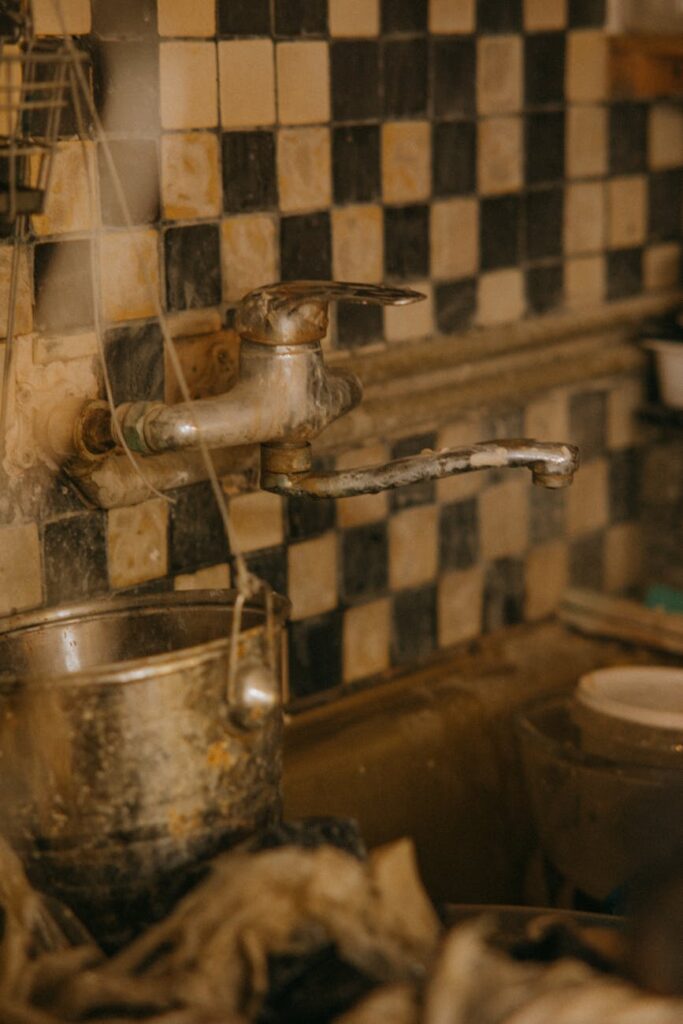
Kitchen Drain Stains Odours Guide Part 2
Introduction
Kitchen drain odours can make cooking and dining a less pleasant experience. The smell can be strong and persistent, often indicating a deeper issue. In this guide, we’ll explore the common causes of these unpleasant odours, effective methods to eliminate them, and preventative measures to keep your kitchen fresh.
What Causes Odours?
Understanding what causes kitchen drain odours is the first step in tackling the problem. Here are the primary culprits:
1. Food Residue: Bits of food can get trapped in the drain, leading to decay and bad smells.
2. Grease Buildup: Cooking oils and fats can accumulate inside pipes, creating a sticky layer that traps odours.
3. Mold and Mildew: Moist environments can foster mold growth, which can emit a musty smell.
4. Sewer Gas: A broken or improperly sealed drain can allow sewer gases to escape into your kitchen.
5. Clogged P-Trap: This trap can become filled with debris, leading to stagnant water and foul smells.
Why This Problem Happens
The kitchen drain is often a neglected area in terms of cleaning. Food particles can easily slip through the disposal, grease can solidify, and moisture can linger, creating an ideal environment for bacteria and mold. Over time, these factors combine to produce unpleasant odours.
Additionally, older plumbing systems may have more issues with clogs and leaks, exacerbating the problem. Without regular maintenance, these issues can develop unnoticed until a strong smell prompts action.
How to Fix Odours (Step-by-Step)
Follow these steps to remove odours from your kitchen drain effectively:
Step 1: Clear the Drain
- Remove Debris: Start by using a flashlight to inspect the drain. If you see visible debris, use tweezers or a long tool to remove it.
- Use a Plunger: If there’s a clog, use a plunger to dislodge it. Ensure there’s enough water in the sink to create a seal.
- Add Baking Soda: Pour 1 cup of baking soda down the drain.
- Follow with Vinegar: Add 1 cup of white vinegar. This combination will fizz and help break down buildup.
- Let it Sit: Allow the mixture to sit for 30 minutes, then flush with hot water.
- Use a Brush: A long, stiff brush can reach into the drain and dislodge stubborn stains and residue.
- Use Dish Soap: Apply some dish soap on the brush and scrub the inner sides of the drain.
- Flush with Hot Water: After scrubbing, run hot water through the drain for several minutes to wash away loosened debris.
- Inspect the Trap: If odours persist, check the P-trap under the sink. Remove it carefully and clean out any buildup inside.
- Reassemble: Ensure all seals are tight before reassembling.
Step 2: Clean with Baking Soda and Vinegar
Step 3: Scrub the Drain
Step 4: Rinse Thoroughly
Step 5: Check the P-Trap
Best Cleaning Methods
1. Baking Soda and Vinegar
This classic combination not only neutralizes odours but also helps break down grease and food particles.
2. Boiling Water
Pouring boiling water down the drain can melt away grease and flush out debris.
3. Enzymatic Cleaners
These cleaners contain enzymes that digest organic material, effectively eliminating odours without harsh chemicals.
4. Dish Soap and Hot Water
Regularly flushing your drain with a mixture of dish soap and hot water can help prevent grease buildup.
Common Mistakes to Avoid
1. Ignoring Regular Maintenance: Neglecting regular cleaning can lead to more severe odour issues.
2. Using Harsh Chemicals: While they may provide quick fixes, they can damage pipes over time.
3. Pouring Grease Down the Drain: Always dispose of grease in the trash to avoid clogs and odours.
4. Not Using the Disposal Properly: Run cold water when using the garbage disposal to help flush waste down the drain.
Prevention Tips
1. Run Hot Water Regularly: After using the sink, run hot water to flush out grease and food particles.
2. Use a Drain Strainer: Install a strainer to catch food particles before they enter the drain.
3. Regular Cleaning: Schedule monthly cleanings with baking soda and vinegar or enzymatic cleaners.
4. Be Mindful of What Goes Down: Only dispose of food waste that’s safe for your disposal.
Frequently Asked Questions
1. How often should I clean my kitchen drain?
Aim for a monthly cleaning routine to prevent buildup and odours.
2. What’s the best way to clean a garbage disposal?
Use ice cubes and rock salt to grind away residue, followed by a mixture of baking soda and vinegar.
3. Why do my drains smell worse after cleaning?
Sometimes, cleaning can stir up trapped particles, making the smell more noticeable temporarily. Follow up with thorough rinsing.
4. Can I use bleach to clean my drain?
While bleach can disinfect, it’s not recommended for drains as it can react with other chemicals and damage pipes.
5. What if the smell persists after cleaning?
If odours continue, consider having a professional inspect your plumbing for hidden issues.
6. Are there natural alternatives to chemical cleaners?
Yes, baking soda, vinegar, and lemon juice are effective natural cleaners that can tackle odours without harsh chemicals.
By understanding the causes of kitchen drain odours and applying these practical cleaning methods, you can maintain a fresh-smelling kitchen environment. Regular maintenance and smart disposal practices will go a long way in preventing future issues.