
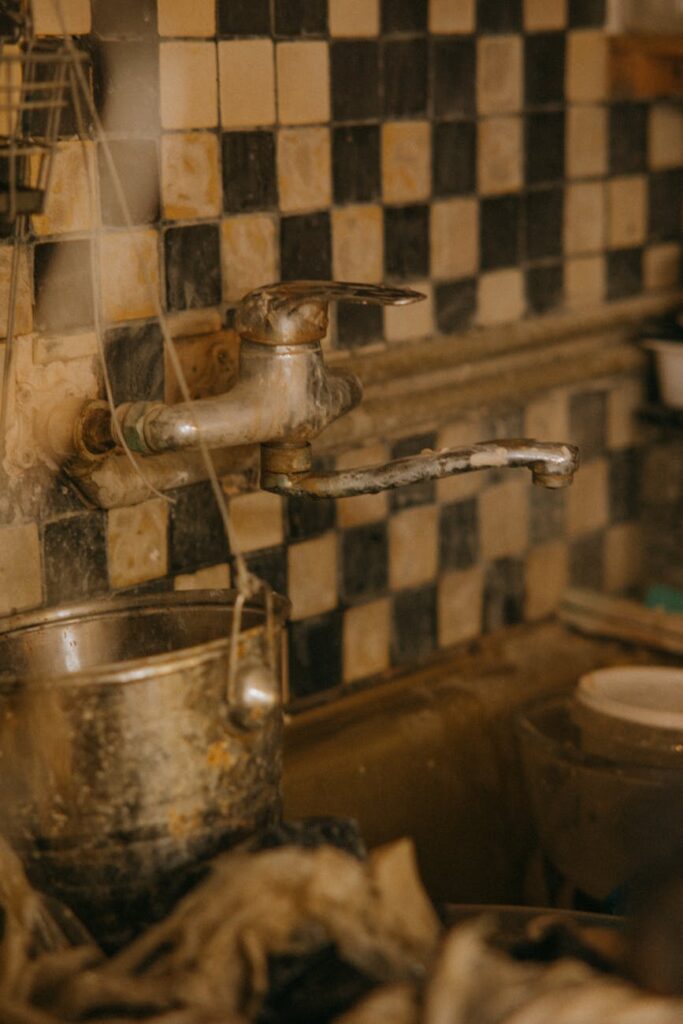
Kitchen Drain Stains Odours Guide Part 1
Introduction
Unpleasant odours emanating from your kitchen drain can be a major nuisance. Not only do they make your kitchen less inviting, but they can also indicate underlying hygiene issues. Understanding the causes and solutions for these odours will help you maintain a clean and fresh kitchen. In this guide, we will explore what causes drain odours, why they occur, and how to fix and prevent them effectively.
What Causes Odours?
The kitchen drain can accumulate various substances that lead to unpleasant smells. Here are some common culprits:
- Food Particles: Leftover food scraps can get trapped in the drain, decomposing and producing foul smells.
- Grease Buildup: Oils and fats from cooking can solidify, creating blockages that trap other debris.
- Bacteria Growth: Warm, moist environments like drains are ideal for bacteria, which can produce odours as they break down organic matter.
- Sewer Gas: In some cases, a lack of water in the trap can allow sewer gas to escape, creating a strong, unpleasant smell.
- Infrequent Cleaning: Many homeowners overlook regular cleaning of their drains, allowing debris to accumulate over time.
- Improper Disposal: Disposing of grease and food waste down the sink contributes to blockages and odours.
- Clogged Pipes: If your plumbing is not functioning correctly, this can lead to stagnant water and the growth of bacteria.
- Dry Traps: If the trap isn’t filled with water, sewer gases can escape into your kitchen.
- Pour 1 cup of baking soda down the drain.
- Follow with 1 cup of white vinegar.
- Let the mixture sit for 30 minutes. The fizzing reaction will help break down buildup.
- Flush with hot water.
- Natural Solutions: Baking soda and vinegar are effective for regular maintenance and minor odours.
- Enzymatic Cleaners: These specialized cleaners use enzymes to break down organic matter and can be very effective for persistent odours.
- Hydrogen Peroxide: This can be a powerful disinfectant but should be used with care. Mix it with water and pour it down the drain for a thorough clean.
- Regular Cleaning: Clean your drains at least once a month using baking soda and vinegar.
- Use a Strainer: Install a drain strainer to catch food particles and prevent them from going down the drain.
- Dispose of Waste Properly: Always throw food scraps and grease in the trash instead of washing them down the sink.
- Run Hot Water: After each use, run hot water down the drain to help flush away grease and food particles.
Why This Problem Happens
Odours from kitchen drains often result from neglect and poor maintenance. Here are the primary reasons:
How to Fix Odours (Step-by-Step)
If you’re dealing with unpleasant odours from your kitchen drain, follow these steps to eliminate them.
Step 1: Clear the Drain
1. Remove any visible debris: Use a pair of gloves to pull out any food particles or other waste that you can see.
2. Boil water: Pour a kettle of boiling water down the drain to help dissolve grease and flush out any remaining debris.
Step 2: Use a Cleaning Solution
1. Baking Soda and Vinegar:
2. Commercial Drain Cleaners: If the odour persists, consider using a commercial drain cleaner according to the product instructions. Be sure to choose one that’s safe for your plumbing.
Step 3: Check the Trap
1. Inspect the P-trap: If you suspect a serious blockage, you may need to disassemble the P-trap (the curved section of the pipe under the sink).
2. Clean it out: Remove any debris or buildup and reassemble. Ensure the trap is filled with water to prevent sewer gas from escaping.
Step 4: Disinfect
1. Use a disinfectant: After cleaning, apply a disinfectant solution (like diluted bleach or a commercially available kitchen cleaner) to the area around the drain to kill any remaining bacteria.
Best Cleaning Methods
Different methods can be effective depending on the severity of the odour issue:
Common Mistakes to Avoid
1. Using Too Much Chemical Cleaner: Overusing chemical cleaners can damage your plumbing over time.
2. Neglecting Regular Maintenance: Failing to clean the drain regularly will lead to persistent odours and clogs.
3. Pouring Grease Down the Sink: Always dispose of grease in the trash to prevent buildup.
4. Ignoring Signs of Clogs: If you notice slow drainage, act quickly to prevent a complete blockage.
Prevention Tips
To keep your kitchen drain free from odours, consider these preventive measures:
Frequently Asked Questions
1. How often should I clean my kitchen drain?
It’s best to clean your kitchen drain at least once a month to prevent buildup and odours.
2. Can I use bleach to clean my drain?
While bleach can disinfect, it’s not the best choice for drains. It can react with other chemicals and damage plumbing. Stick to natural solutions or enzymatic cleaners.
3. What if the odour persists after cleaning?
If the odour continues, check for deeper clogs or issues with your plumbing. You may need to consult a plumber.
4. Are commercial drain cleaners safe for my plumbing?
Many commercial drain cleaners are safe, but always read the label and choose one designed for your type of plumbing (PVC, metal, etc.).
5. Can food waste disposal units cause odours?
Yes, if not properly maintained, food waste disposal units can also lead to unpleasant odours. Regular cleaning and maintenance are essential.
6. What should I do if I smell sewage in my kitchen?
A sewage smell could indicate a serious plumbing issue. Check if the P-trap has water and inspect for leaks. If unresolved, contact a plumber immediately.
By following this guide, you can effectively tackle kitchen drain odours and keep your kitchen fresh and welcoming. Stay proactive with maintenance, and you’ll enjoy a cleaner, odour-free space.