
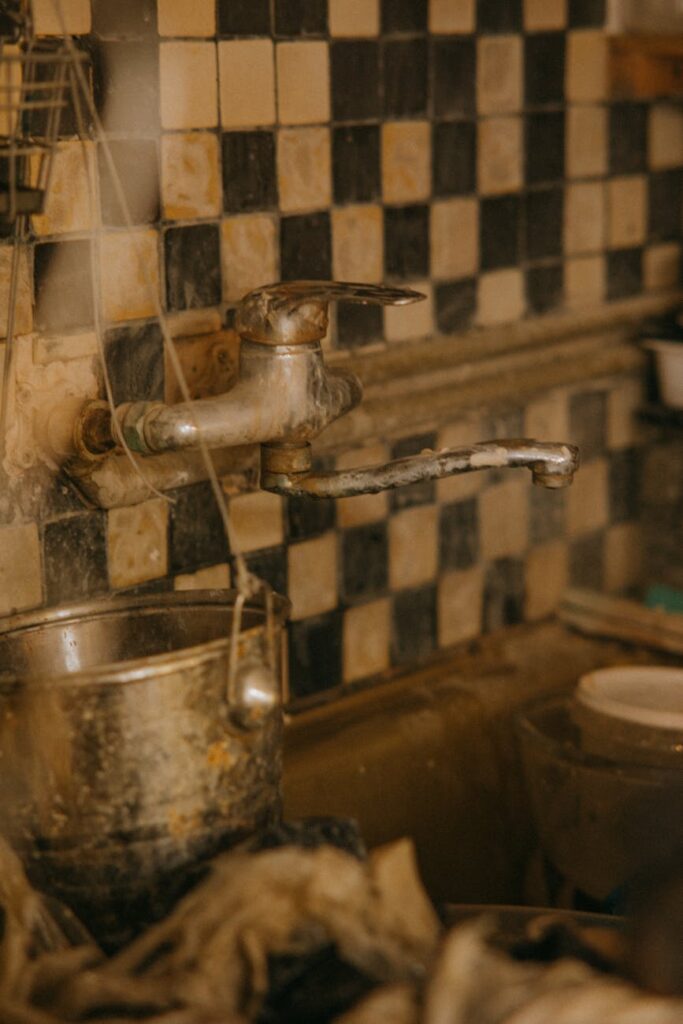
Kitchen Drain Stains Mould & Damp Guide Part 2
Introduction
Mould and dampness are common issues in kitchens, particularly around drain areas. These problems can lead to unsightly stains and an unpleasant environment. In this guide, we’ll explore the causes of mould and damp, how to effectively tackle them, and tips to prevent future occurrences. Let’s get started.
What Causes Mould & Damp?
Mould thrives in moist environments, making kitchen drains a prime target. Here are some common causes:
1. Poor Ventilation: Kitchens often have high humidity levels from cooking. If the area isn’t well-ventilated, moisture accumulates.
2. Leaky Pipes: Any leaks from drain pipes can create a damp environment, encouraging mould growth.
3. Food Residue: Leftover food and grease in or around drains can promote bacteria and mould.
4. Condensation: Temperature fluctuations can lead to condensation on pipes and surfaces, contributing to dampness.
Why This Problem Happens
Understanding why mould and damp occur helps in addressing the issue effectively. Here are a few reasons:
- Humidity Levels: Cooking and washing can increase humidity. If moisture isn’t properly managed, it lingers.
- Clogged Drains: Blockages trap water, creating a breeding ground for mould.
- Lack of Cleaning: Infrequent cleaning allows mould spores to settle and grow.
- Rubber gloves
- Face mask
- Scrub brush
- Bucket
- Vinegar or hydrogen peroxide
- Baking soda
- Commercial mould cleaner (optional)
- Old rags or paper towels
How to Fix Mould & Damp (Step-by-Step)
Step 1: Gather Your Supplies
Before you begin, gather the following supplies:
Step 2: Clear the Area
Remove any items around the kitchen drain to ensure you have a clear workspace. This includes pots, utensils, and any other kitchen items.
Step 3: Inspect for Leaks
Check all pipes and connections for any signs of leakage. If you find a leak, repair it before proceeding. You may need a plumber if it’s a significant issue.
Step 4: Apply Cleaning Solution
Natural Option: Mix equal parts vinegar and water in a spray bottle. Spray the affected area generously and let it sit for at least 15 minutes.
Commercial Option: If using a commercial mould cleaner, follow the instructions on the label.
Step 5: Scrub the Area
Use a scrub brush to scrub the mouldy area. For tough stains, sprinkle baking soda on the surface before scrubbing to enhance cleaning power.
Step 6: Rinse and Dry
Rinse the area thoroughly with clean water. Wipe the surface dry with an old rag or paper towel to remove excess moisture.
Step 7: Dispose of Waste
Safely dispose of any materials that have mould on them, such as rags or sponges. Make sure to wash your hands after handling these materials.
Best Cleaning Methods
1. Vinegar and Baking Soda
This natural method is effective for both cleaning and deodorizing. Baking soda scrubs away stains, while vinegar kills mould spores.
2. Hydrogen Peroxide
A 3% hydrogen peroxide solution can be sprayed on mouldy areas. Let it sit for 10-15 minutes before scrubbing.
3. Commercial Cleaners
For persistent mould, consider using a commercial mould cleaner. Look for products that are specifically designed for kitchen use and follow the manufacturer’s instructions.
Common Mistakes to Avoid
1. Ignoring the Source: Always address leaks or moisture sources before cleaning.
2. Inadequate Ventilation: Don’t forget to ventilate the area while cleaning to avoid inhaling mould spores.
3. Using Only Water: Water alone won’t effectively kill mould. Use a cleaning solution for best results.
4. Not Following Up: Once cleaned, don’t neglect the area. Regular checks can prevent reoccurrence.
Prevention Tips
1. Improve Ventilation: Use exhaust fans or open windows while cooking to reduce humidity.
2. Regular Cleaning: Clean kitchen drains weekly to prevent build-up.
3. Proper Drainage: Ensure that your kitchen sink drains properly without any blockages.
4. Seal Gaps: Use caulking to seal gaps around sinks and pipes to prevent moisture ingress.
5. Use a Dehumidifier: In particularly humid areas, a dehumidifier can help maintain optimal humidity levels.
Frequently Asked Questions
1. How do I know if I have mould under my sink?
Look for signs such as dark stains, a musty smell, or visible mould. If you suspect mould, remove items under the sink and inspect the area.
2. Can I use bleach to clean mould?
While bleach can kill mould on hard surfaces, it may not penetrate porous materials. Consider using vinegar or a commercial cleaner designed for mould.
3. How often should I check for mould in my kitchen?
Regular checks every month or after any significant cooking events can help catch mould early.
4. Is mould dangerous?
While some moulds can cause health issues, typical kitchen mould is often not harmful. However, it’s best to clean it up promptly.
5. What if the mould keeps coming back?
If mould keeps returning, check for ongoing moisture issues, such as leaks or poor ventilation. You may need professional assistance.
6. Can I prevent mould without using chemicals?
Yes! Regular cleaning with natural solutions like vinegar and baking soda can effectively prevent mould without harsh chemicals.
By following this guide, you can effectively tackle mould and damp in your kitchen, ensuring a clean and healthy environment. Stay vigilant and proactive to keep your kitchen mould-free!