
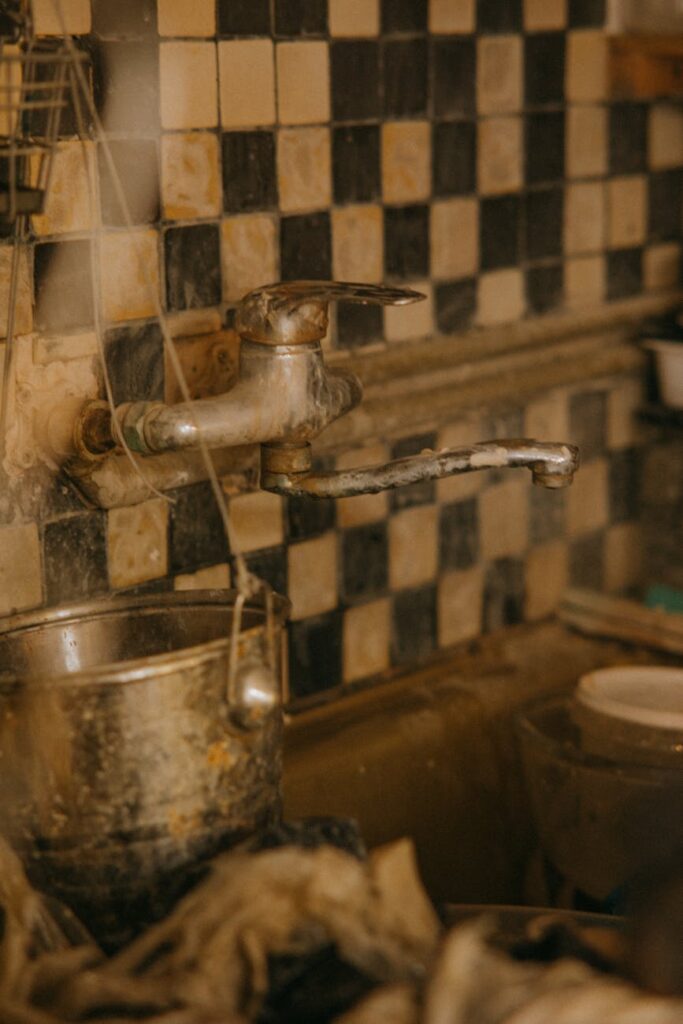
Kitchen Drain Stains Bathroom Guide Part 2
Introduction
When it comes to maintaining a clean and fresh bathroom, one area that often gets overlooked is the kitchen drain. Stains and buildup can migrate from the kitchen to the bathroom, leading to unpleasant odors and unsightly marks. This article will guide you through understanding the problem, fixing it effectively, and preventing it in the future.
What Causes Bathroom Drain Stains?
Bathroom drain stains typically originate from a combination of factors:
1. Food Particles: Sometimes, food residues can travel through plumbing systems, leading to build-up.
2. Soap Scum: The interaction of soap and hard water can create a stubborn residue that collects in drains.
3. Mold and Mildew: Damp environments encourage mold growth, which can also stain drains.
4. Mineral Deposits: Hard water can leave behind mineral deposits that accumulate over time.
Why This Problem Happens
Understanding why these stains form is crucial for effective cleaning.
- Poor Drainage: If water doesn’t drain properly in the kitchen, it can backtrack to the bathroom.
- Neglect: Regular cleaning is often overlooked, allowing stains to set and grow.
- Humidity: Bathrooms are often humid, creating an ideal environment for mold and mildew to thrive.
- Baking soda
- White vinegar
- Scrub brush or an old toothbrush
- Hot water
- Rubber gloves
- Bucket
- Remove any items around the sink and drain area.
- Put on rubber gloves for protection.
- Pour about half a cup of baking soda directly into the drain.
- Let it sit for 5-10 minutes. Baking soda will help absorb odors and loosen grime.
- Pour a cup of white vinegar down the drain.
- You’ll notice fizzing; this reaction helps break down stubborn stains and clogs.
- Allow the mixture to sit for 30 minutes.
- Afterward, flush the drain with hot water to wash away the residue.
- Use a scrub brush or toothbrush to clean around the drain.
- Focus on areas where stains are visible.
- Rinse the area with hot water to remove any remaining debris.
- Look for enzyme-based cleaners that break down organic material without harming your plumbing.
- Pouring lemon juice down the drain can help combat odors and brighten stains due to its acidic nature.
- This can be an effective stain remover. Pour it down the drain and let it sit for a while before rinsing.
How to Fix Bathroom Drain Stains (Step-by-Step)
Here’s a straightforward method to tackle those pesky drain stains:
Step 1: Gather Your Supplies
Step 2: Prepare the Area
Step 3: Apply Baking Soda
Step 4: Add Vinegar
Step 5: Wait and Flush
Step 6: Scrub the Area
Step 7: Rinse Thoroughly
Best Cleaning Methods
Aside from the baking soda and vinegar method, consider these alternatives:
1. Commercial Drain Cleaners
2. Lemon Juice
3. Hydrogen Peroxide
Common Mistakes to Avoid
1. Using Harsh Chemicals: Many commercial cleaners contain harsh chemicals that can damage pipes.
2. Neglecting Regular Maintenance: Clean drains regularly to prevent buildup.
3. Ignoring Signs of Clogs: Don’t wait until the drain is fully clogged to take action.
Prevention Tips
1. Regular Cleaning: Schedule a monthly cleaning routine for your drains.
2. Use a Drain Strainer: This helps catch food particles and debris before they reach the drain.
3. Avoid Pouring Grease: Never dispose of cooking oil or grease down the sink, as it can solidify and cause clogs.
Frequently Asked Questions
1. How often should I clean my drains?
Aim to clean your drains at least once a month to prevent buildup.
2. Can I use bleach to clean my drains?
While bleach can disinfect, it’s not advisable for regular drain cleaning as it can damage pipes and isn’t effective against organic material.
3. What if my drain is still clogged after cleaning?
Consider using a plumber’s snake or consult a professional if the clog persists.
4. Are there natural alternatives to chemical cleaners?
Yes, baking soda, vinegar, and lemon juice are effective natural cleaners.
5. Can I prevent stains from forming in the first place?
Yes, regular cleaning and using drain strainers can significantly reduce the likelihood of stains.
6. What should I do if I notice a foul odor coming from my drain?
This may indicate a buildup of organic material. Follow the cleaning steps outlined above, and if the smell persists, seek professional help.
Conclusion
By understanding the causes of kitchen drain stains in your bathroom and taking proactive steps to clean and prevent them, you can maintain a fresher and cleaner space. Implement these actionable steps and tips to ensure that your bathroom remains a pleasant environment for you and your family.