
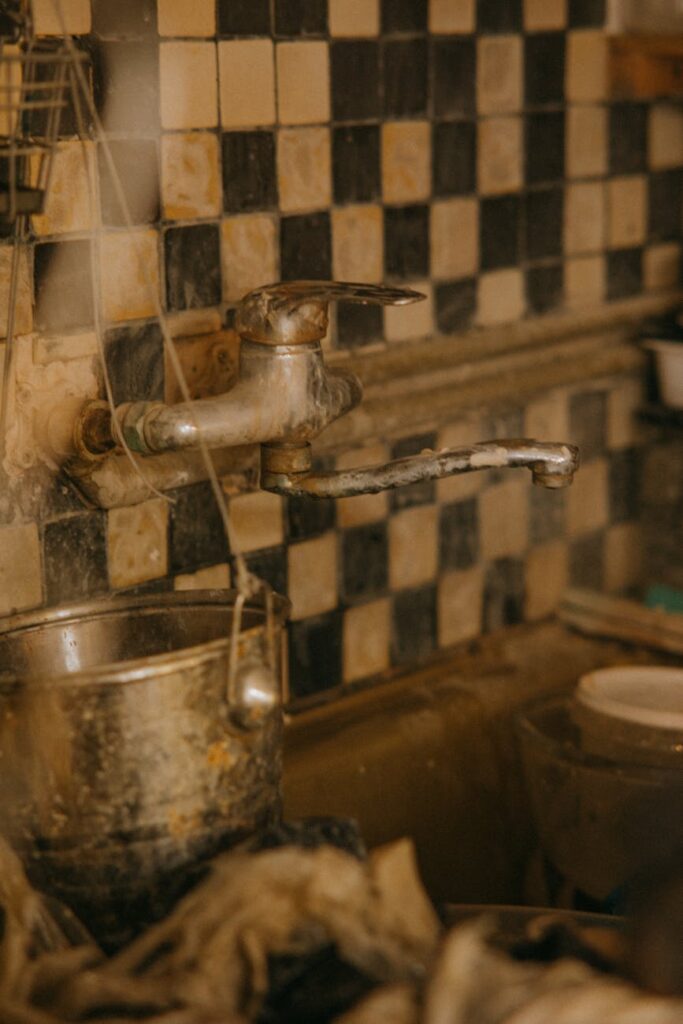
Kitchen Drain Stains Bathroom Guide Part 1
Introduction
Bathroom cleaning can often feel overwhelming, especially when it comes to stubborn stains caused by kitchen drain issues. This guide aims to help you tackle those pesky stains effectively, providing practical solutions and tips to keep your space clean and fresh.
What Causes Bathroom Stains?
Stains in the bathroom, particularly near sinks and tubs, can be traced back to several sources. The most common culprits include:
1. Food Particles: Residue from your kitchen can travel through plumbing systems and create buildup in your bathroom drains.
2. Soap Scum: Soap residue can mix with minerals in the water, forming stubborn stains on surfaces.
3. Hard Water: Mineral deposits from hard water can leave unsightly stains and discoloration.
4. Mold and Mildew: High humidity levels in bathrooms can lead to mold growth, contributing to dark stains.
5. Drain Blockages: Clogs can cause water to stagnate, leading to discoloration and unpleasant odors.
Why This Problem Happens
Understanding why these stains occur is crucial for effective cleaning. The transition of food particles from the kitchen to the bathroom can happen through shared plumbing. When water carries these particles, they can settle in your bathroom drains, especially if there’s a slow drain or blockage.
Hard water is another significant factor, particularly in areas with high mineral content. The minerals can leave behind deposits that not only stain but also create a breeding ground for mold and mildew.
Lastly, if you often have damp conditions in your bathroom, the likelihood of mold and mildew growth increases, leading to dark stains that can be difficult to remove.
How to Fix Bathroom Stains (Step-by-Step)
To effectively tackle bathroom stains related to kitchen drain issues, follow these steps:
Step 1: Gather Your Supplies
You will need:
- Baking soda
- Vinegar
- A scrub brush
- Microfiber cloths
- Rubber gloves
- A bucket
- Dish soap
- A commercial cleaner (optional)
- For the baking soda and vinegar mixture, pour it directly onto the stained areas. Allow it to sit for 10-15 minutes.
- For the dish soap solution, dip your scrub brush into the mixture and gently scrub the stained areas.
Step 2: Clear the Area
Remove any items around your sink or bathtub. This includes toiletries, towels, and floor mats, allowing you to access the stained areas easily.
Step 3: Create a Cleaning Solution
1. Baking Soda and Vinegar: Mix equal parts of baking soda and vinegar to create a fizzing reaction. This natural solution helps break down stains.
2. Dish Soap Solution: For tougher stains, mix a few drops of dish soap with warm water in a bucket.
Step 4: Apply the Cleaning Solution
Step 5: Scrub the Stains
Using your scrub brush, scrub the stained areas in a circular motion. Focus on crevices and corners where buildup is often worse.
Step 6: Rinse Thoroughly
After scrubbing, rinse the area with warm water. Use a microfiber cloth to wipe down surfaces, ensuring all cleaning products are removed.
Step 7: Dry the Area
To prevent future stains, dry the sink and surrounding areas with a clean towel.
Best Cleaning Methods
Utilizing the right cleaning methods can make all the difference. Here are the most effective techniques:
1. Baking Soda and Vinegar: This duo is excellent for breaking down grime and deodorizing your space.
2. Commercial Cleaners: For tough stains, consider using a commercial cleaner designed for bathroom surfaces. Look for products that specifically target mineral deposits.
3. Steam Cleaning: A steam cleaner can effectively sanitize surfaces without the need for harsh chemicals, helping to prevent mold and mildew.
4. Regular Scrubbing: A quick scrub once a week can help prevent stains from developing in the first place.
Common Mistakes to Avoid
When tackling bathroom stains, keep these common mistakes in mind:
1. Using Abrasive Tools: Avoid steel wool or harsh scrubbers that can scratch surfaces.
2. Neglecting the Drain: Regularly clean drains to prevent buildup. Annual maintenance can save you a lot of trouble.
3. Ignoring Hard Water Issues: If you have hard water, consider investing in a water softener to reduce mineral deposits.
4. Skipping Rinsing: Always rinse thoroughly after cleaning; leftover cleaning products can cause new stains.
Prevention Tips
Preventing bathroom stains from kitchen drain issues involves a few simple strategies:
1. Regular Cleaning: Establish a cleaning routine that includes scrubbing sinks and bathtubs weekly.
2. Use Drain Screens: Install screens in kitchen and bathroom drains to catch food particles and debris.
3. Fix Leaks: Address any leaks promptly, as stagnant water can lead to mold growth and stains.
4. Control Humidity: Use exhaust fans or dehumidifiers to keep bathroom moisture levels in check.
5. Dry Surfaces: After use, wipe down surfaces to keep them dry and prevent mold growth.
Frequently Asked Questions
1. How often should I clean my bathroom to prevent stains?
Aim for at least once a week, but if you notice stains forming, increase the frequency until they are under control.
2. Can I use bleach to remove stains?
While bleach can be effective, it may not be suitable for all surfaces. Always check the manufacturer’s guidelines before use.
3. How do I know if my water is hard?
Common signs of hard water include mineral buildup on faucets and showerheads, as well as soap not lathering well.
4. Will vinegar harm my plumbing?
Vinegar is generally safe for plumbing, but avoid using it with bleach, as this can create harmful fumes.
5. What if the stains persist after cleaning?
If stains remain, consider using a commercial cleaner specifically designed for tough bathroom stains or consult a professional.
6. How can I prevent mold in my bathroom?
To prevent mold, keep the bathroom well-ventilated, use mold-resistant products, and regularly clean surfaces prone to moisture.
By following these steps and tips, you can effectively manage bathroom stains linked to kitchen drains, creating a cleaner and more pleasant space.