
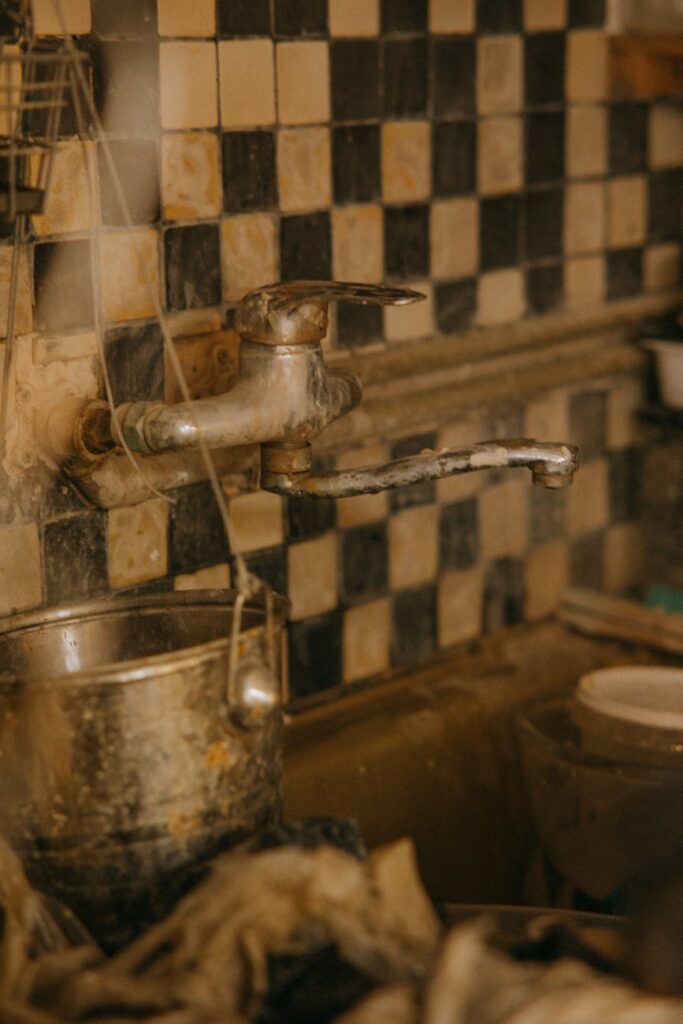
Kitchen Drain Odor Mould & Damp Guide Part 2
Introduction
Kitchen drain odors are not just an unpleasant nuisance; they can also signal the presence of mould and dampness. This guide will help you understand what causes these issues, how to fix them, and how to prevent them from returning. Let’s dive into practical solutions that you can tackle right in your home.
What Causes Mould & Damp?
Mould and dampness in kitchen drains usually stem from a combination of moisture, organic matter, and poor ventilation. Here’s what typically contributes to this problem:
- Food Particles: Leftover food can accumulate in your drain, providing a breeding ground for mould.
- Moisture: High humidity levels or leaks can create damp conditions ideal for mould growth.
- Poor Drainage: Slow or blocked drains can trap water, increasing moisture levels.
- Lack of Airflow: Poor ventilation can exacerbate dampness, allowing mould to flourish.
- Clogged Pipes: When food debris and grease build up, they create blockages, leading to stagnant water.
- Condensation: In humid environments, water can condense on pipes, contributing to moisture issues.
- Neglected Cleaning: Regular cleaning prevents the accumulation of organic matter that promotes mould growth.
- Old Pipes: Deteriorating plumbing can leak, allowing moisture to seep into surrounding areas.
- Rubber gloves
- Scrub brush or toothbrush
- Baking soda
- White vinegar
- Boiling water
- Dish soap
- Bucket
- Old cloths or paper towels
- Put on Gloves: Protect your hands from mould spores.
- Scrub the Area: Use a scrub brush or an old toothbrush to scrub the visible mould off the drain’s surfaces. Use a mixture of baking soda and water if necessary.
- Baking Soda and Vinegar: Pour 1 cup of baking soda followed by 1 cup of white vinegar down the drain. Let it fizz for about 15 minutes.
- Boiling Water: After the fizzing has settled, pour 2-3 cups of boiling water down the drain to flush out any remaining debris.
- Dish Soap Solution: Mix dish soap with warm water and wipe down the sink, focusing on the drain area.
- Rinse and Dry: Rinse the sink thoroughly with water and dry it with a clean cloth.
- Disassemble the Trap: If odours persist, carefully disassemble the P-trap under the sink and check for blockages.
- Clean the Trap: Clean it thoroughly using a brush and warm, soapy water before reassembling.
- Regular Vinegar and Baking Soda Treatments: Monthly treatments with baking soda and vinegar can help prevent build-up.
- Use Enzyme Cleaners: These break down organic matter and are less harsh than traditional cleaners.
- Lemon Juice: Pouring lemon juice down the drain can neutralize odours and leave a fresh scent.
- Ignoring Preventive Measures: Cleaning once is not enough; make it a habit to maintain your drains regularly.
- Using Harsh Chemicals: Strong chemicals can damage your plumbing and harm the environment.
- Neglecting Leaks: Even small leaks can create significant problems. Address any leaks immediately.
- Not Ventilating: Ensure your kitchen is well-ventilated to reduce moisture levels.
- Regular Cleaning: Clean your kitchen drains at least once a month to prevent build-up.
- Dry Surfaces: Wipe down wet surfaces and avoid leaving dishes in the sink for extended periods.
- Install a Drain Strainer: This will catch food particles before they enter the drain.
- Improve Ventilation: Use exhaust fans or open windows while cooking to reduce humidity.
Why This Problem Happens
Understanding the underlying reasons for mould and damp in kitchen drains can help you tackle the problem effectively. Here are the primary causes:
How to Fix Mould & Damp (Step-by-Step)
Follow these actionable steps to effectively eliminate mould and dampness from your kitchen drains.
Step 1: Gather Your Supplies
Before you start, gather the following materials:
Step 2: Clear the Area
Remove any items stored under the sink and clear the surrounding area. This will give you ample space to work and prevent any mess.
Step 3: Remove Visible Mould
Step 4: Flush the Drain
Step 5: Clean the Sink
Step 6: Check for Blockages
Best Cleaning Methods
To keep your kitchen drains clean and odour-free, consider these effective cleaning methods:
Common Mistakes to Avoid
While tackling mould and damp, be mindful of these common mistakes:
Prevention Tips
To keep mould and damp at bay, incorporate these preventive measures into your routine:
Frequently Asked Questions
1. How often should I clean my kitchen drain?
It’s a good idea to clean your kitchen drain at least once a month to prevent build-up and odours.
2. Can I use bleach to clean my drain?
While bleach can kill mould, it’s not recommended for drains as it can damage plumbing and create harmful fumes when mixed with other cleaners.
3. Why does my kitchen drain smell even after cleaning?
Persistent smells may indicate a deeper blockage or an issue with your plumbing. You may need to disassemble the drain to check for clogs.
4. What should I do if the mould comes back?
If mould keeps returning, re-evaluate your cleaning routine and check for underlying issues like leaks or poor ventilation.
5. Can I prevent mould without chemicals?
Yes, you can use natural methods like baking soda, vinegar, and regular cleaning to prevent mould without harsh chemicals.
6. Is it safe to pour boiling water down my drain?
Yes, pouring boiling water down the drain can help clear minor clogs and flush out debris, but use caution to avoid burns.
By following these guidelines, you can keep your kitchen drains in good condition, free from mould and damp while ensuring a healthy cooking environment. Regular maintenance is key to preventing future issues and maintaining a fresh-smelling kitchen.