
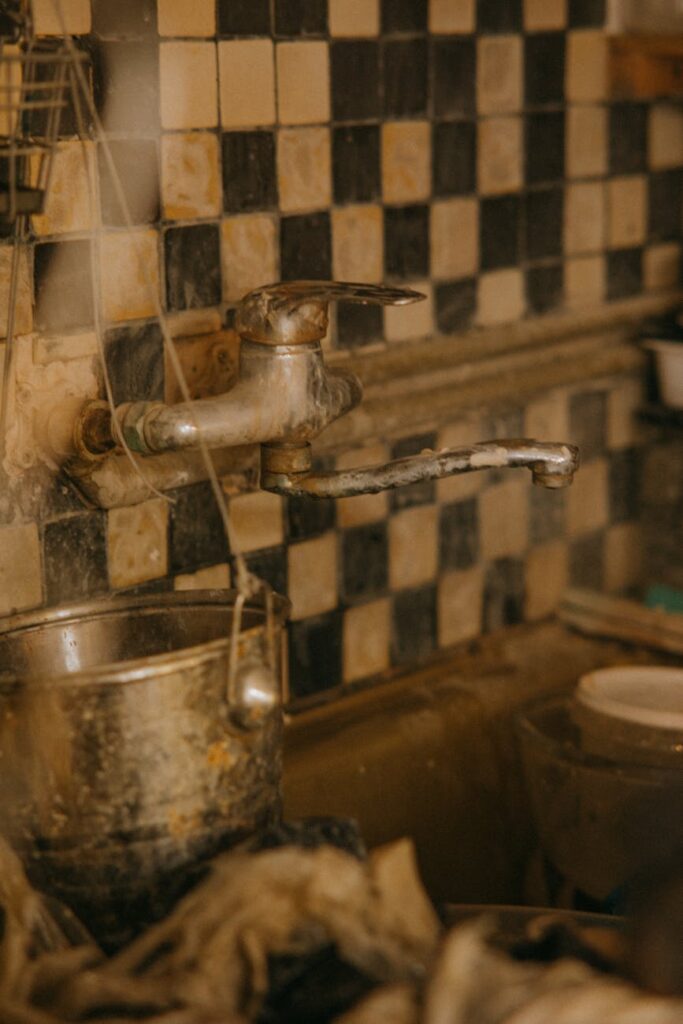
Kitchen Drain Odor Mould & Damp Guide Part 1
Introduction
A smelly kitchen drain can be more than just an unpleasant nuisance; it often signals deeper issues like mould and damp. These problems can affect your kitchen’s hygiene and even your health if left unchecked. In this guide, we’ll explore the causes of kitchen drain odour, how to fix mould and damp issues, and practical prevention tips to keep your kitchen fresh and clean.
What Causes Mould & Damp?
Mould and damp in your kitchen can arise from various sources:
1. Moisture Accumulation: Kitchens are wet environments, especially around sinks, dishwashers, and garbage disposals. Excess moisture can lead to mould growth.
2. Food Particles: Organic matter left in drains can decompose, creating the ideal environment for mould and bacteria.
3. Poor Ventilation: Insufficient airflow can trap humidity, contributing to damp and mould growth.
4. Leaky Pipes: Any leaks in your plumbing can provide a constant source of moisture, exacerbating the problem.
5. Temperature Fluctuations: Warm, humid air combined with cooler surfaces can lead to condensation and damp spots.
Why This Problem Happens
Understanding why mould and damp form in kitchen drains helps in effectively tackling the issue:
- Food Residue: Even a small amount of food debris can lead to the accumulation of mould over time.
- Grease Buildup: Cooking oils can solidify in drains, trapping moisture and food particles.
- Lack of Cleaning: Regular maintenance is often overlooked, allowing mould to thrive unnoticed.
- High Humidity: In humid climates or seasons, the air holds more moisture, increasing the likelihood of dampness.
- Rubber gloves
- A face mask (to avoid inhaling spores)
- A scrub brush or old toothbrush
- Baking soda
- White vinegar
- Dish soap
- A bucket
- Towels
- Baking Soda and Vinegar: This classic combination not only cleans but also deodorizes effectively.
- Dish Soap: Regularly washing the sink with dish soap can help prevent grease buildup.
- Hydrogen Peroxide: For tough stains or mould, a diluted solution can be effective. Always rinse thoroughly afterward.
- Essential Oils: Adding a few drops of tea tree oil to your cleaning solution can act as a natural antifungal.
- Regular Cleaning: Make it a habit to clean your sink and drain weekly to prevent mould and odour buildup.
- Use Drain Covers: These can help catch food particles and debris before they enter the drain.
- Ensure Proper Ventilation: Use exhaust fans or open windows while cooking to reduce humidity.
- Check for Leaks: Regularly inspect your plumbing fixtures for any signs of leaks or water damage.
- Store Food Properly: Keep food sealed and stored away to reduce the organic material that can attract mould.
How to Fix Mould & Damp (Step-by-Step)
Step 1: Gather Your Supplies
To tackle mould and damp effectively, you’ll need:
Step 2: Clear the Area
Remove any items from under the sink and around the drain to expose the affected area. This will also help you assess the extent of the mould and dampness.
Step 3: Inspect for Leaks
Check all pipes and fittings for leaks. If you find any, fix them before proceeding further, as moisture will continue to be a problem otherwise.
Step 4: Remove Visible Mould
1. Make a Cleaning Solution: Combine equal parts of white vinegar and water in a spray bottle. Alternatively, you can use a mixture of dish soap and warm water.
2. Apply the Solution: Spray the affected areas generously, allowing it to sit for 10-15 minutes.
3. Scrub the Area: Use a scrub brush or toothbrush to remove mould. Pay special attention to crevices in the drain.
4. Rinse and Dry: Rinse the area with warm water and dry thoroughly with towels.
Step 5: Deodorize the Drain
1. Baking Soda Treatment: Pour half a cup of baking soda down the drain.
2. Vinegar Reaction: Follow with half a cup of white vinegar. You’ll notice fizzing; this reaction helps to remove odours.
3. Flush with Hot Water: After 15 minutes, flush the drain with hot water to clear out any remaining debris.
Step 6: Monitor the Area
Keep an eye on the cleaned area for a few days. If you notice any return of odours or mould, it may require further investigation.
Best Cleaning Methods
Common Mistakes to Avoid
1. Ignoring Small Leaks: Even minor leaks can lead to significant mould issues over time. Always address them promptly.
2. Using Harsh Chemicals: Strong chemical cleaners can sometimes do more harm than good, damaging pipes and the environment.
3. Overlooking Ventilation: Failing to ventilate your kitchen can lead to persistent dampness. Ensure good airflow, especially when cooking.
4. Neglecting Regular Cleaning: Regular maintenance is key. Schedule a monthly drain cleaning to prevent buildup.
5. Using Hot Water Alone: While hot water can help, it’s not a complete solution. Always follow up with a proper cleaning agent.
Prevention Tips
Frequently Asked Questions
1. How often should I clean my kitchen drain?
Aim for a thorough cleaning at least once a month, with weekly maintenance to prevent odours.
2. Can I use bleach to clean mould in the kitchen?
Bleach is effective for some surfaces but can produce harmful fumes and damage pipes. It’s better to use vinegar or baking soda.
3. What if the smell persists after cleaning?
If the smell continues, it may indicate a deeper plumbing issue. Consider consulting a plumber.
4. Are there natural methods to prevent mould?
Yes, regular cleaning with vinegar, baking soda, or essential oils can help deter mould growth.
5. Can I use a commercial drain cleaner?
While effective, many commercial cleaners contain harsh chemicals that can damage pipes. Use them sparingly.
6. How can I improve ventilation in my kitchen?
Ensure exhaust fans are operational, open windows when cooking, and consider using a dehumidifier in humid months.
By following this guide, you can effectively tackle mould and damp issues in your kitchen drain, ensuring a cleaner and healthier environment. Stay tuned for Part 2, where we’ll delve deeper into maintenance and advanced cleaning techniques.