
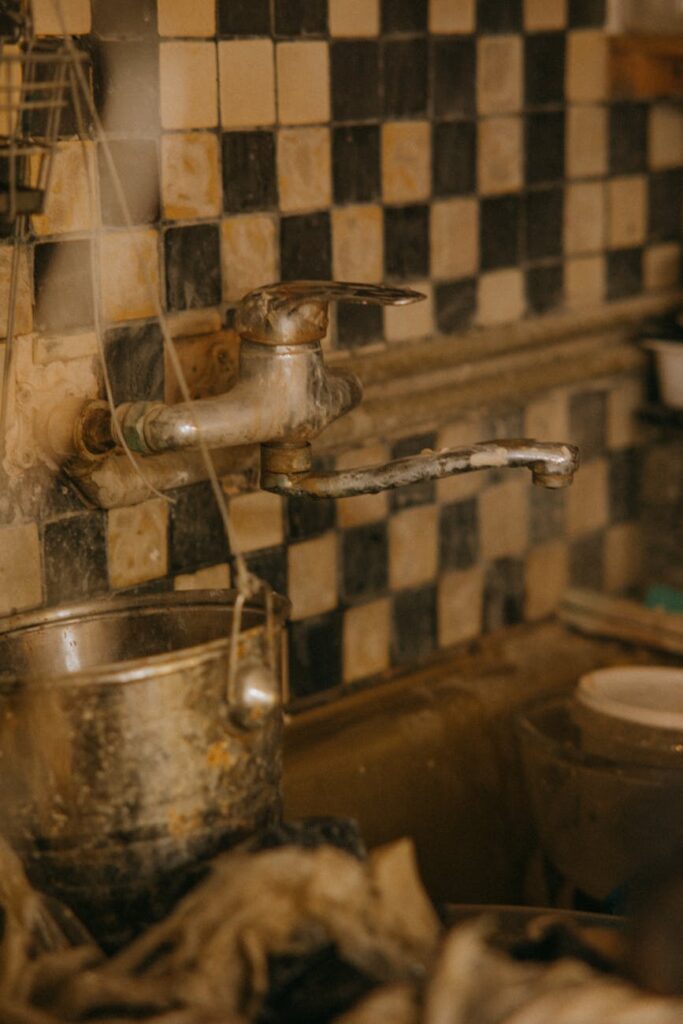
Kitchen Drain Odor Bathroom Guide Part 1
Introduction
A fresh-smelling home is essential for comfort and well-being, yet many homeowners struggle with unpleasant odors emanating from their kitchen drains. This issue can be particularly pronounced in homes where the kitchen and bathroom are closely linked. In this guide, we’ll explore the causes of kitchen drain odors, how they relate to bathroom issues, and provide actionable solutions to eliminate these smells for good.
What Causes Bathroom Odor?
Kitchen drain odors often originate from a variety of sources. In bathrooms, the combination of moisture, waste, and soap can create an environment where bacteria thrive. Here are some common culprits:
1. Food Residue: Leftover food particles can accumulate in the drain, leading to decay and foul smells.
2. Grease Buildup: Grease from cooking can solidify and create clogs in the kitchen sink, causing odors to travel back through the plumbing.
3. Sewer Gas: A malfunctioning or dry trap can allow sewer gases to escape, leading to unpleasant smells.
4. Mold and Mildew: Areas with high humidity, like bathrooms, can foster mold growth, contributing to musty odors.
Why This Problem Happens
Understanding why kitchen drain odors occur can help you take the right steps to fix them. Here are some reasons:
- Improper Cleaning: Failing to regularly clean both the kitchen and bathroom drains can lead to buildup, making odors more likely.
- Pipe Issues: Cracks or misalignments in pipes can allow odors to seep into your home.
- Infrequent Use: If a bathroom sink or tub isn’t used often, the water in the trap can evaporate, allowing sewer gases to escape.
- Clogged Vents: Plumbing systems rely on venting to allow air to flow properly. Clogs can disrupt this, causing odors to back up.
- Smell Test: Start by sniffing around the kitchen and bathrooms to locate the source of the odor.
- Check Drains: Inspect all drains for slow drainage, which can indicate a clog.
- Boiling Water: Pour boiling water down the drain to help dissolve grease and food particles.
- Plunger: For stubborn clogs, use a plunger to create pressure and clear the blockage.
- Baking Soda and Vinegar: Pour 1/2 cup of baking soda followed by 1 cup of vinegar down the drain. Let it sit for 30 minutes, then flush with hot water.
- Commercial Cleaner: If necessary, use a commercial drain cleaner according to the manufacturer’s instructions.
- Remove and Clean: If you’re comfortable doing so, remove the trap under the sink. Clean it thoroughly and check for clogs.
- Inspect Vents: Ensure that plumbing vents are clear of debris. If you suspect blockage, consider contacting a professional.
- Baking Soda and Vinegar: This natural method is effective for minor clogs and odors.
- Hot Water Flush: Regularly flushing your drains with hot water can prevent grease buildup.
- Enzyme Cleaners: These break down organic materials and are effective for persistent odors.
- Regular Cleaning: Clean your drains monthly with baking soda and vinegar.
- Hot Water Routine: Flush your drains with hot water weekly to keep grease from solidifying.
- Check Traps: Regularly inspect and clean traps in both kitchen and bathroom sinks.
- Limit Food Waste: Use a sink strainer to catch food particles and prevent them from going down the drain.
How to Fix Bathroom Odor (Step-by-Step)
Here’s a straightforward process to tackle kitchen drain odors:
Step 1: Identify the Source
Step 2: Clear the Drains
Step 3: Clean the Drain
Step 4: Inspect Traps
Step 5: Ventilation Check
Best Cleaning Methods
Certain cleaning methods are more effective than others:
Common Mistakes to Avoid
When addressing kitchen drain odors, keep these pitfalls in mind:
1. Neglecting Regular Maintenance: Don’t wait until you smell something to clean your drains.
2. Using Harsh Chemicals: Avoid using harsh chemicals that can damage pipes and the environment.
3. Ignoring the Trap: Always check and maintain the trap; neglecting it can lead to recurring problems.
4. Forgetting the Bathroom: Don’t just focus on the kitchen; odors can originate from bathroom drains as well.
Prevention Tips
To keep odors at bay, follow these preventative measures:
Frequently Asked Questions
1. How often should I clean my kitchen drains?
Aim to clean your kitchen drains at least once a month to prevent odors and clogs.
2. Can I use bleach to clean my drains?
While bleach can disinfect, it’s not recommended for regular drain cleaning as it can damage pipes and create harmful fumes.
3. What should I do if the odor persists?
If odors continue after cleaning, consider contacting a plumber to check for deeper plumbing issues.
4. Is it safe to use commercial drain cleaners?
Yes, but use them sparingly and follow the instructions carefully, as they can be harsh on pipes.
5. Can food waste disposal units cause odors?
Yes, if not maintained properly, food waste disposal units can harbor odors. Regular cleaning and flushing with hot water can help.
6. How can I tell if there’s a clog in my drain?
Signs of a clog include slow drainage, gurgling sounds, and persistent odors from the drain.
By understanding the causes and solutions for kitchen drain odors, you can maintain a fresher home environment. Stay proactive with cleaning and maintenance to prevent these issues from arising in the first place.