
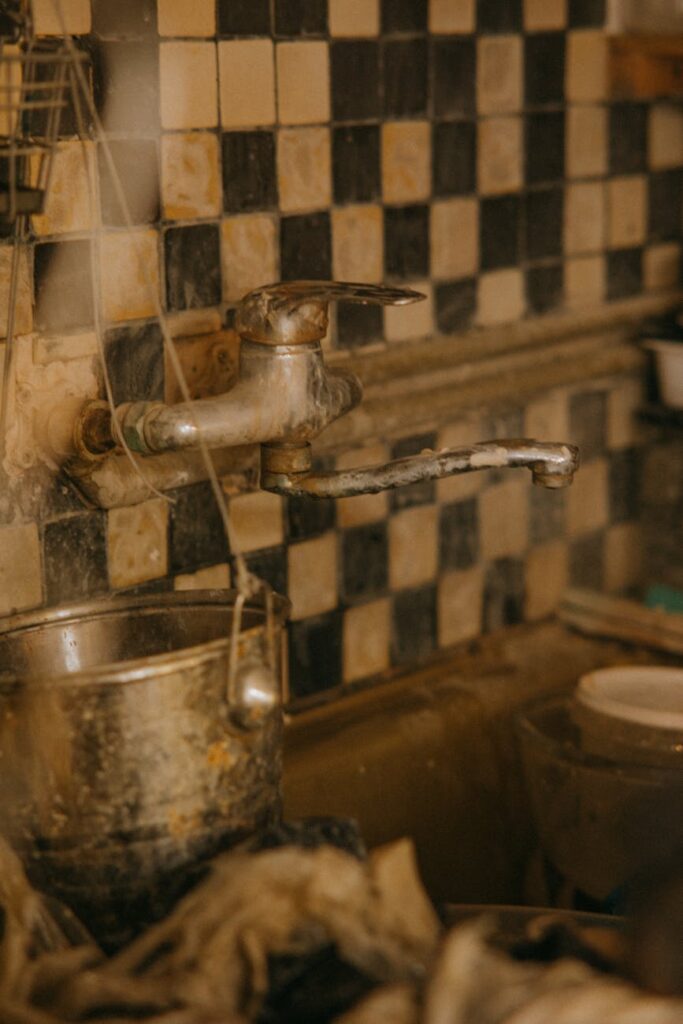
Kitchen Drain Mold Stains Guide Part 2
Introduction
Kitchen drain mold stains can be a frustrating issue for homeowners. Not only do they look unsightly, but they can also lead to unpleasant odors and potential health risks. This guide will provide you with practical solutions to tackle these stains effectively, ensuring your kitchen stays clean and hygienic.
What Causes Stains?
Stains in kitchen drains are typically caused by a combination of food particles, grease, and moisture. When these elements combine, they create a perfect environment for mold and bacteria to thrive. Here are some common contributors:
- Organic Matter: Food scraps and residues can accumulate in the drain, providing nutrients for mold growth.
- Moisture: Drains are inherently damp, which encourages mold and mildew to develop.
- Poor Ventilation: Lack of airflow can lead to stagnant conditions that promote mold growth.
- Hard Water: Mineral deposits from hard water can create a crusty buildup that traps organic material.
- Rubber gloves
- A scrub brush or old toothbrush
- Baking soda
- White vinegar
- A spray bottle
- A bucket or bowl
- Hot water
- Dish soap
- Neglecting Regular Maintenance: Waiting too long to clean the drain can make stains harder to remove.
- Using Abrasive Tools: Avoid steel wool or other abrasive scrubbing tools that can damage your drain.
- Overusing Chemicals: Excessive use of chemical cleaners can harm your plumbing and the environment.
- Ignoring Ventilation: Poor airflow can exacerbate mold issues; ensure your kitchen is well-ventilated.
- Regular Cleaning: Incorporate drain cleaning into your weekly cleaning routine.
- Use a Drain Strainer: A strainer can catch food particles before they enter the drain.
- Hot Water Flush: Pour boiling water down the drain weekly to dissolve buildup.
- Improve Ventilation: Open windows or use exhaust fans while cooking to reduce humidity levels.
- Limit Food Waste: Dispose of food scraps in the trash instead of rinsing them down the drain.
Why This Problem Happens
Understanding why kitchen drain mold stains occur can help you prevent them in the future. The combination of moisture and organic material creates an environment that is ideal for mold. Over time, as this buildup continues, it hardens and becomes more challenging to clean. Additionally, if your kitchen lacks proper ventilation, humidity levels can rise, exacerbating the issue.
How to Fix Stains (Step-by-Step)
Fixing kitchen drain mold stains requires a systematic approach. Follow these steps to effectively remove the stains and restore your drain’s cleanliness.
Step 1: Gather Your Supplies
Before starting, make sure you have the following items on hand:
Step 2: Remove Debris
Start by removing any visible debris from the drain. Use a small bowl or bucket to catch any loose particles. This ensures that your cleaning solution can directly target the stains.
Step 3: Create a Cleaning Solution
Mix equal parts of baking soda and white vinegar (about 1 cup of each) in a spray bottle. The fizzing reaction will help break down grime and stains.
Step 4: Apply the Solution
Spray the cleaning solution generously into the drain. Allow it to sit for at least 15 minutes to penetrate the stains.
Step 5: Scrub the Area
Using a scrub brush or toothbrush, scrub the inside of the drain. Focus on areas with visible stains and buildup. This will help loosen any stubborn residue.
Step 6: Rinse Thoroughly
After scrubbing, pour hot water down the drain to flush away the cleaning solution and any dislodged debris. Follow this with a few drops of dish soap to ensure the drain is thoroughly cleaned.
Step 7: Inspect and Repeat if Necessary
Check the drain for any remaining stains. If needed, repeat the cleaning process until you achieve the desired result.
Best Cleaning Methods
While the vinegar and baking soda method is effective, there are other cleaning methods you can try:
1. Hydrogen Peroxide
Hydrogen peroxide is a powerful disinfectant. Pour half a cup into the drain and let it sit for 30 minutes before rinsing with hot water.
2. Commercial Drain Cleaners
For tough stains, consider using a commercial drain cleaner. Be sure to follow the manufacturer’s instructions carefully, as some products may be harsh on your plumbing.
3. Boiling Water
Simply pouring boiling water down the drain can help dissolve grease and organic matter. Repeat this process weekly for maintenance.
Common Mistakes to Avoid
To ensure effective cleaning, avoid these common pitfalls:
Prevention Tips
Preventing kitchen drain mold stains is easier than removing them. Here are some actionable tips:
Frequently Asked Questions
1. How often should I clean my kitchen drain?
Aim to clean your kitchen drain at least once a week to prevent stains and odors.
2. Can I use bleach to clean my drain?
While bleach can kill mold, it is not recommended for drains as it can damage plumbing and create harmful fumes.
3. What if the stains persist after cleaning?
If stains persist, consider using a commercial drain cleaner or consult a professional plumber for assistance.
4. Is mold in the drain dangerous?
While kitchen drain mold is not typically harmful, it can lead to unpleasant odors and may trigger allergies in sensitive individuals.
5. How can I tell if my drain is clogged?
Signs of a clogged drain include slow drainage, gurgling sounds, and unpleasant odors.
6. Should I call a plumber if my drain is frequently clogged?
If you experience frequent clogs despite regular cleaning, it may be time to consult a plumber to assess potential underlying issues.
By following this comprehensive guide, you can tackle kitchen drain mold stains effectively, ensuring a cleaner and healthier kitchen environment. Regular maintenance and proper cleaning techniques will keep your drains in good condition, preventing future issues.