
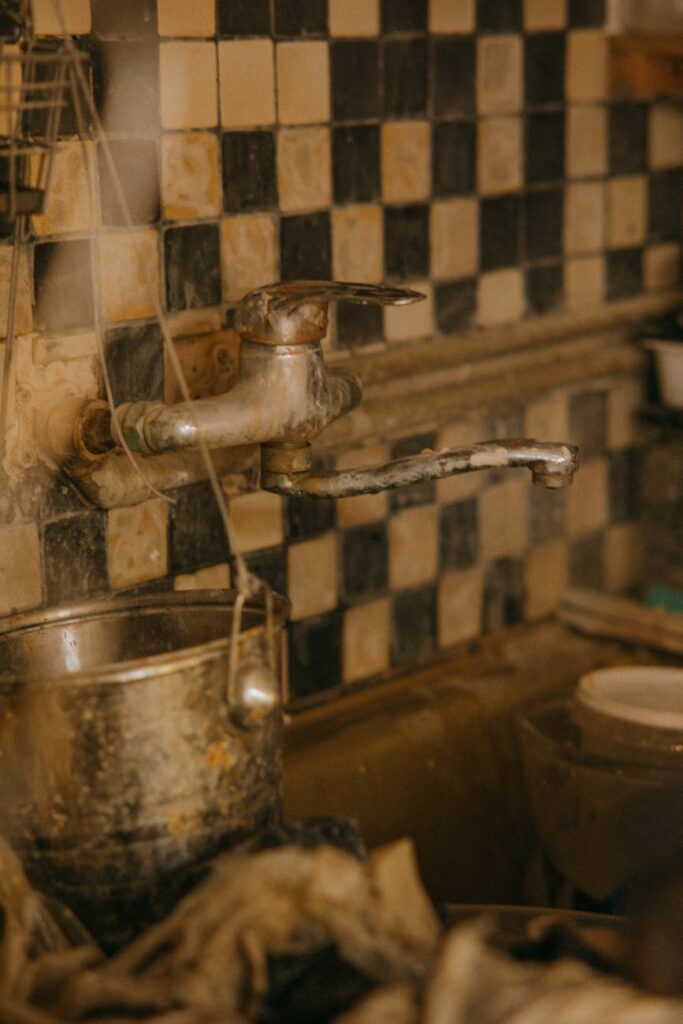
Kitchen Drain Mold: Mould & Damp Guide Part 1
Introduction
Mould and dampness in kitchen drains can be a frustrating issue for homeowners. Not only does it create an unpleasant smell, but it can also lead to health concerns and plumbing problems if left unchecked. This guide aims to provide you with practical solutions to tackle and prevent mould and damp in your kitchen drains.
What Causes Mould & Damp?
Mould thrives in damp environments where moisture levels are high. In kitchens, the primary culprits are:
- Food Residue: Bits of food can get trapped in the drain, providing a perfect breeding ground for mould.
- Humidity: Kitchens often have higher humidity levels due to cooking and washing dishes, which can contribute to dampness.
- Poor Ventilation: Inadequate air circulation allows moisture to linger, promoting mould growth.
- Leaky Pipes: Any leaks in your plumbing can create a constant source of moisture.
- Temperature Fluctuations: The kitchen often experiences temperature changes from cooking, which can lead to condensation and moisture build-up.
- Neglected Cleaning: Regular cleaning can prevent mould growth, but many homeowners overlook their drains.
- Clogged Drains: A clogged drain can trap water and debris, creating an ideal environment for mould.
- Rubber gloves
- A mask (optional)
- A scrub brush or old toothbrush
- Baking soda
- White vinegar
- Boiling water
- Drain cleaner (optional)
- Regular Cleaning: Clean your drains at least once a month using baking soda and vinegar.
- Dry the Sink: After washing dishes, dry the sink and surrounding areas to reduce moisture.
- Improve Ventilation: Open windows or use exhaust fans while cooking to lower humidity levels.
- Seal Leaks: Regularly check pipes and seals for leaks and address them promptly.
- Use Drain Screens: Installing screens can catch food particles, preventing them from entering the drain.
Why This Problem Happens
Understanding why mould and damp occur in your kitchen drains can help you tackle the issue more effectively.
How to Fix Mould & Damp (Step-by-Step)
Step 1: Gather Your Supplies
You’ll need:
Step 2: Clear the Area
Remove items under the sink and ensure the area is dry. This helps identify leaks and makes cleaning easier.
Step 3: Inspect the Drain
Check for any visible mould and debris. If you notice a blockage, you may need to use a drain cleaner or a plumbing snake to clear it.
Step 4: Apply Baking Soda and Vinegar
1. Pour about half a cup of baking soda down the drain.
2. Follow with half a cup of white vinegar.
3. Let it fizz for 15-30 minutes. This helps to dislodge any build-up.
Step 5: Scrub the Drain
Using a scrub brush or toothbrush, scrub the inside of the drain to remove any mould or residue. Be thorough but gentle to avoid damaging the pipes.
Step 6: Flush with Boiling Water
After scrubbing, carefully pour boiling water down the drain to wash away any remaining debris and mould.
Step 7: Dry the Area
Wipe down the exterior of the drain and surrounding area with a dry cloth. Ensuring everything is dry will help prevent future mould growth.
Best Cleaning Methods
Baking Soda and Vinegar
This natural method is effective for removing mould and odours without harsh chemicals.
Enzymatic Cleaners
These cleaners break down organic material and are particularly useful for stubborn mould. Follow the manufacturer’s instructions for use.
Commercial Drain Cleaners
If natural methods fail, a commercial drain cleaner can be effective. Always follow the instructions and ensure proper ventilation.
Common Mistakes to Avoid
1. Neglecting Regular Cleaning: Don’t wait for mould to appear before you clean your drains.
2. Using Harsh Chemicals: Some strong cleaners can damage pipes. Opt for gentler solutions whenever possible.
3. Ignoring Leaks: If you notice leaks, address them immediately to prevent dampness.
4. Overlooking the Dishwasher: Mould can also grow in dishwasher drains. Regularly clean this area as well.
Prevention Tips
Frequently Asked Questions
1. How often should I clean my kitchen drain?
Aim to clean your kitchen drain at least once a month to prevent mould and build-up.
2. Can I use bleach to clean mould in the drain?
While bleach is effective for killing mould, it can also damage pipes. Use natural alternatives like baking soda and vinegar whenever possible.
3. What if the mould keeps coming back?
If mould keeps returning, check for plumbing leaks and ensure proper ventilation in your kitchen.
4. Are there specific cleaners for mould in drains?
Yes, enzymatic cleaners are specifically designed to break down organic material and can be effective against mould.
5. How can I tell if I have a clog in my drain?
Signs of a clog include slow drainage, unusual odours, and water backing up in the sink.
6. Is kitchen drain mould harmful?
While occasional mould exposure may not be harmful, persistent mould can lead to health issues. It’s best to tackle it promptly.
By following these steps and tips, you can effectively manage and prevent mould and damp in your kitchen drains, ensuring a clean and healthy home environment.