
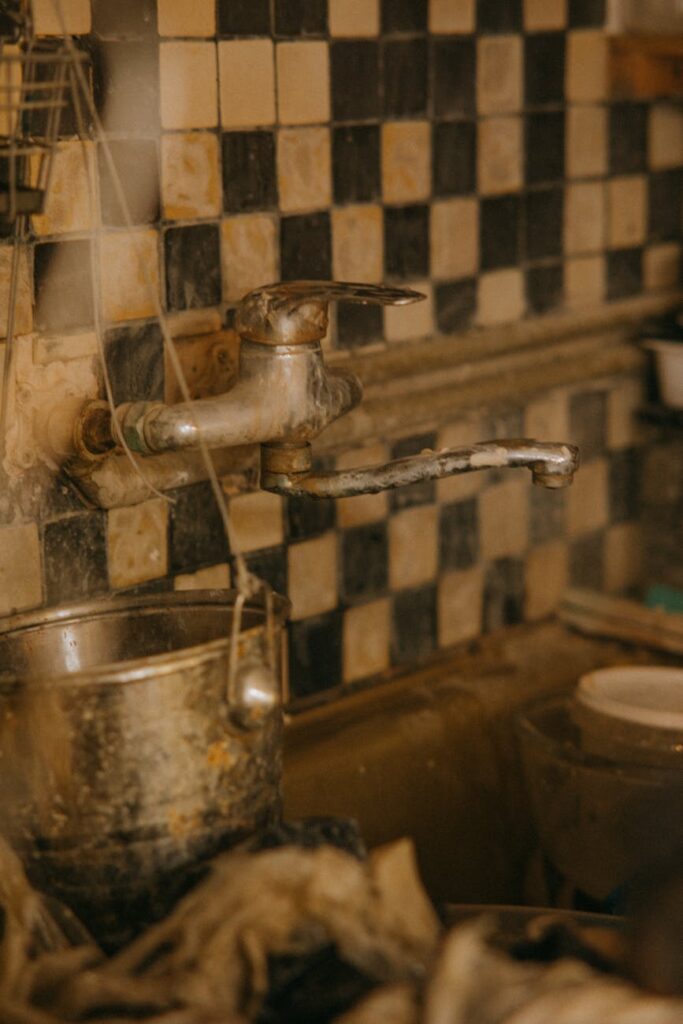
Kitchen Drain Mold Cleaning Guide Part 2
Introduction
Kitchen drain mold is more than just an unsightly nuisance; it can lead to unpleasant odors and even plumbing issues if left unchecked. Understanding how to effectively clean and prevent mold growth in your kitchen drains is crucial for maintaining a healthy and functional kitchen space. In this guide, we will walk you through the causes of mold, practical cleaning steps, and helpful prevention tips to keep your kitchen drains mold-free.
What Causes Mold in Kitchen Drains?
Mold thrives in damp, dark environments, making kitchen drains an ideal breeding ground. Here are the primary contributors to mold growth in your drains:
1. Food Residue: Bits of food that get trapped in the drain can decompose and provide nutrients for mold.
2. Moisture: Kitchens are often wet environments, and moisture is essential for mold growth.
3. Lack of Ventilation: Poor air circulation can cause humidity levels to rise, encouraging mold proliferation.
4. Organic Materials: Grease, soap scum, and other organic materials can accumulate over time, creating a perfect habitat for mold.
Why This Problem Happens
Understanding the root causes of drain mold can help you address the issue more effectively. Mold can develop quickly when:
- Drains are seldom cleaned: Regular cleaning is essential; neglect can lead to buildup.
- Improper disposal of food: Many homeowners dispose of food scraps in the sink, leading to clogs.
- Using harsh chemicals: Over-reliance on chemical cleaners can sometimes worsen the problem, as they may not fully eliminate organic matter.
- Rubber gloves
- A mask (optional, but recommended for sensitive individuals)
- Baking soda
- White vinegar
- A scrub brush or old toothbrush
- Hot water
- A bucket or bowl
How to Fix Mold in Kitchen Drains (Step-by-Step)
Cleaning mold from your kitchen drain is straightforward if you follow these steps:
Step 1: Gather Your Supplies
You will need:
Step 2: Remove Visible Debris
1. Clear the Area: Ensure your workspace is clean and dry.
2. Remove Grates or Covers: If your drain has a grate or cover, remove it to access the drain opening.
3. Dispose of Debris: Use your gloves to remove any visible food particles or debris from the drain.
Step 3: Apply Baking Soda and Vinegar
1. Add Baking Soda: Pour about ½ cup of baking soda into the drain.
2. Follow with Vinegar: Pour ½ cup of white vinegar over the baking soda. This will create a fizzing reaction that helps break down mold and debris.
3. Let it Sit: Allow the mixture to sit for about 15-30 minutes.
Step 4: Scrub the Drain
1. Use a Scrub Brush: After the mixture has settled, use a scrub brush or old toothbrush to scrub the inside of the drain. Pay special attention to any visible mold or buildup.
2. Rinse with Hot Water: After scrubbing, pour hot water down the drain to flush out the baking soda, vinegar, and any loosened debris.
Step 5: Final Rinse
1. Flush the Drain: Run hot water for a few minutes to ensure everything is washed away.
2. Replace Grates or Covers: Once you’re satisfied with the cleaning, replace any grates or covers.
Best Cleaning Methods
Consider these additional cleaning techniques to combat mold effectively:
1. Boiling Water
Pouring boiling water down the drain can help dissolve grease and organic matter, minimizing mold buildup. Do this weekly as a preventive measure.
2. Hydrogen Peroxide
Hydrogen peroxide is an effective mold killer. Pour 1 cup down the drain and let it sit for an hour before rinsing with hot water.
3. Enzyme Cleaners
Using enzyme-based cleaners can help break down organic matter in the drain. These are particularly effective as part of regular maintenance.
Common Mistakes to Avoid
1. Neglecting Regular Maintenance: Skipping regular cleanings can lead to severe mold problems.
2. Using Too Many Chemicals: Overusing chemical cleaners can lead to a buildup of residues that foster mold growth.
3. Ignoring Clogs: Allowing clogs to persist can create an environment ideal for mold. Address clogs promptly.
Prevention Tips
Keeping your kitchen drains mold-free requires a proactive approach. Here are some effective prevention tips:
1. Regular Cleaning: Schedule drain cleaning every month using baking soda and vinegar.
2. Dispose of Food Properly: Use a compost bin for food scraps instead of disposing of them in the sink.
3. Maintain Good Ventilation: Ensure your kitchen is well-ventilated to reduce moisture levels.
4. Use a Drain Strainer: A drain strainer can help catch food particles, preventing them from entering the drain.
Frequently Asked Questions
1. How often should I clean my kitchen drain?
For best results, clean your kitchen drain at least once a month.
2. Can I use bleach to clean my kitchen drain?
While bleach can kill mold, it does not break down organic matter effectively. It also can create harmful fumes when mixed with other cleaners.
3. What is the best homemade drain cleaner?
A combination of baking soda and vinegar is one of the most effective homemade cleaners for kitchen drains.
4. How can I get rid of drain odors?
Regular cleaning with baking soda and vinegar, combined with boiling water, can help eliminate odors.
5. Is it safe to use commercial drain cleaners?
While effective, many commercial cleaners contain harsh chemicals that can damage your plumbing over time. Use them sparingly.
6. What should I do if the mold persists?
If mold persists despite regular cleaning, consider consulting a plumbing professional to assess for deeper issues within your plumbing system.
By following this guide, you can effectively manage and prevent kitchen drain mold, ensuring your kitchen remains clean, fresh, and functional. Regular maintenance is key, so take the time to establish a cleaning routine that works for you.