
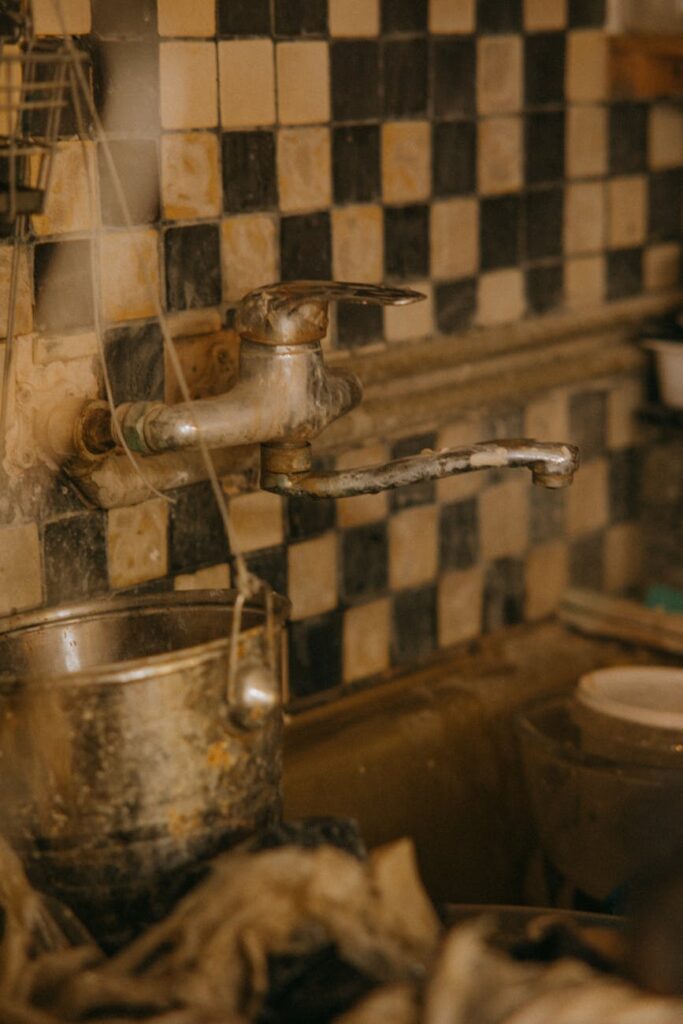
Kitchen Drain Mold Bathroom Guide Part 2
Introduction
Kitchen drains can become a breeding ground for mold, especially when they connect to bathrooms or are in close proximity. This guide will help you understand the causes of mold in kitchen drains, how to effectively clean it, and how to prevent it from returning. By tackling this issue proactively, you can ensure a healthier home environment.
What Causes Bathroom Mold in Kitchen Drains?
Mold thrives in damp, dark environments. In kitchens, the combination of food particles, grease, and moisture creates an ideal breeding ground. Here are the specific conditions that contribute to mold growth in kitchen drains:
1. Food Residue: Bits of food can get trapped in the drain, providing nutrients for mold.
2. Humidity: High humidity levels, especially in kitchens connected to bathrooms, can promote mold growth.
3. Poor Drainage: Clogs or slow drainage can lead to standing water, which is a perfect environment for mold.
4. Lack of Ventilation: Insufficient airflow can keep moisture levels high, encouraging mold growth.
Why This Problem Happens
Understanding the underlying causes of mold in kitchen drains is crucial for effective cleaning and prevention. Mold spores are always present in the air, but they need the right conditions to grow. Here’s why this problem occurs:
- Moisture Accumulation: Spills, leaks, or high humidity can create damp conditions.
- Organic Matter: Food particles and grease provide the ideal nutrients for mold.
- Neglected Cleanliness: Infrequent cleaning allows mold to settle and multiply.
- Inadequate Maintenance: Failing to address clogs or drainage issues can exacerbate the problem.
- Rubber gloves
- Scrub brush or old toothbrush
- Baking soda
- White vinegar
- Boiling water
- Dish soap
- Bucket
How to Fix Bathroom Mold in Kitchen Drains (Step-by-Step)
Step 1: Gather Your Supplies
Before you start cleaning, gather the following supplies:
Step 2: Prepare the Area
1. Clear the Sink: Remove any items from around the sink and drain.
2. Ventilate: Open windows or turn on exhaust fans to reduce humidity.
Step 3: Remove Visible Mold
1. Mix Cleaning Solution: Combine equal parts of vinegar and water in a spray bottle.
2. Spray the Affected Area: Spray the mixture directly onto moldy areas and let it sit for 10–15 minutes.
3. Scrub: Use the scrub brush to gently scrub away the mold.
Step 4: Use Baking Soda
1. Pour Baking Soda: Sprinkle a generous amount of baking soda down the drain.
2. Add Vinegar: Follow with 1 cup of vinegar. You’ll see fizzing; this reaction helps break down mold.
3. Wait: Let it sit for 30 minutes.
Step 5: Flush With Boiling Water
1. Boil Water: Bring a pot of water to a rolling boil.
2. Pour Down the Drain: Carefully pour the boiling water down the drain to flush away any remaining debris and mold.
Step 6: Final Clean
1. Wash the Sink: Use dish soap and hot water to wash the sink area thoroughly.
2. Rinse: Rinse well and dry the sink with a clean cloth.
Best Cleaning Methods
For effective cleaning and mold removal, consider these methods:
1. Vinegar and Baking Soda: This combination is effective for breaking down mold and deodorizing the drain.
2. Hydrogen Peroxide: A 3% hydrogen peroxide solution can be used to clean and disinfect moldy areas.
3. Commercial Drain Cleaners: Choose eco-friendly options that specifically target mold and mildew.
Common Mistakes to Avoid
When addressing mold in kitchen drains, avoid these common pitfalls:
1. Neglecting Regular Cleaning: Cleaning only when mold is visible can lead to bigger problems.
2. Using Too Many Chemicals: Overusing harsh chemicals can damage your plumbing and the environment.
3. Ignoring Clogs: Failing to address clogs can worsen mold growth over time.
4. Not Ventilating: Cleaning in a closed space can increase humidity and worsen the problem.
Prevention Tips
Preventing kitchen drain mold is easier than dealing with it once it’s established. Here are some effective tips:
1. Regular Cleaning: Clean your kitchen drains weekly with vinegar and baking soda to prevent buildup.
2. Keep Drains Clear: Avoid putting food particles down the drain; use a sink strainer.
3. Reduce Humidity: Use a dehumidifier in areas prone to moisture.
4. Improve Ventilation: Keep windows open or use exhaust fans during cooking and cleaning.
Frequently Asked Questions
1. How often should I clean my kitchen drain?
Clean your kitchen drain at least once a week to prevent mold buildup.
2. What can I use if I don’t have vinegar?
If you don’t have vinegar, you can use lemon juice or hydrogen peroxide as alternatives for cleaning mold.
3. Can mold in kitchen drains be harmful?
While kitchen drain mold is not typically harmful, it can lead to unpleasant odors and potential health issues if left unchecked.
4. What should I do if the mold keeps coming back?
If mold keeps returning, you may have a plumbing issue that needs professional attention, such as a clog or slow drainage.
5. Are there natural alternatives to commercial cleaners?
Yes, natural alternatives include baking soda, vinegar, and lemon juice, which can effectively clean and disinfect.
6. How can I tell if I have a mold problem?
Signs of a mold problem include visible mold growth, a musty odor, or frequent respiratory issues when in the kitchen area.
By following these steps and tips, you can effectively tackle mold in kitchen drains and keep your home clean and healthy. Regular maintenance and proactive cleaning will ensure that mold doesn’t become a recurring issue in your kitchen.